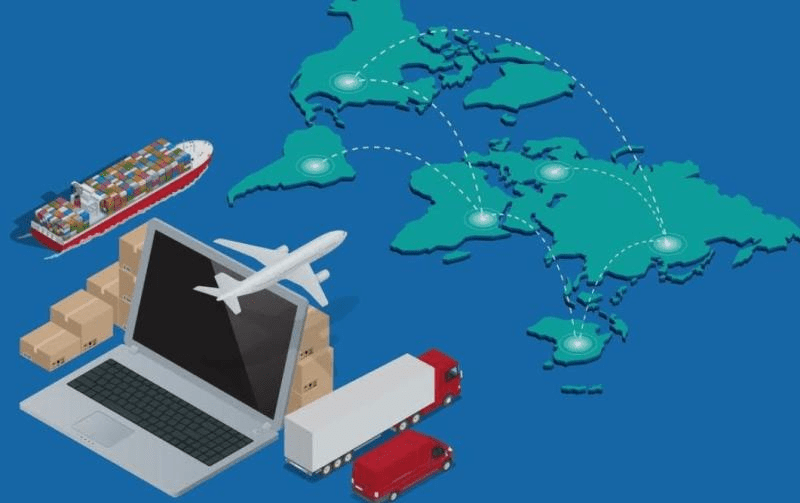
VAT and Customs Compliance Guide in Cross-Border Trade
Cross-border trade opens access to new markets, but doing so requires compliance with a range of tax and customs obligations.
Even minor errors in supply chain structuring, VAT registration or import documentation can have serious consequences – including financial penalties, shipment holds and the loss of input tax recovery rights. The lappa team provides professional assistance and support that is particularly valuable for businesses operating across EU member states.
Cross-Border VAT: Core Features and Regulatory Principles
In international trade, VAT liability is determined not by the seller’s country but by the place of supply of the goods or services. When goods cross a border, the following tax scenarios arise:
- exports may be zero-rated;
- imports may be subject to tax at the rate applicable in the country of destination;
- B2B transactions are frequently governed by the reverse charge mechanism.
The principal difficulty lies in the fact that each country applies its own procedures for confirming applicable rates and imposes its own documentary requirements for evidencing the movement of goods and the buyer’s status.
Businesses must therefore keep in mind not only the applicable tax rates but also the VAT registration requirements across the various jurisdictions in which they operate.
Customs Rules for the Import and Export of Goods
Customs regulation is an unavoidable element of cross-border trade.
When planning the movement of goods across borders, several important factors must be taken into account:
- classification of goods under HS/CN codes;
- applicable tariffs and mandatory duties;
- proof of origin;
- customs value;
- certification and labelling requirements.
Where goods are imported, VAT is payable at the point of crossing the border or at the time of customs clearance. It may subsequently be recovered as input tax, subject to one important condition: the company must be correctly registered as a taxable person.
In the case of exports, a zero rate is frequently applied – though only where the full supporting documentation is in place.
When VAT Registration Is Required
VAT registration in another country becomes necessary in a number of specific circumstances, most commonly:
- storing goods in warehouses located in another country;
- exceeding the established distance selling threshold in EU member states;
- supplying services with a place of taxation in another jurisdiction;
- participation in supply chains within EU member states;
- importing goods for onward local resale.
In all of the above cases, the company is required to charge VAT in accordance with the rules of the destination country and to submit regular reports – including VAT returns, sales listings and supporting documentation.
Non-Compliance With VAT and Customs Obligations: Principal Risks
Errors made in the context of international trade can carry serious consequences.
The most common outcomes companies face are as follows:
- Additional VAT assessments and supplementary customs charges.
- Refusal of input tax recovery.
- Penalties for incorrect registration or the absence of a VAT number.
- Goods held at customs.
- Reputational damage and broader operational risks.
Failure to register for VAT in good time in the country where the obligation arises is among the most frequently encountered problems.
Structuring Cross-Border VAT Registration Correctly
Getting VAT registration right requires a simultaneous understanding of logistics, how different markets operate and a thorough knowledge of VAT accounting and customs rules. Building the tax structure of operations in advance is therefore essential for any company seeking a competitive advantage – enabling future penalties to be avoided and international supply chains to run without disruption.