Timeless Features Defining Today’s Modern Homes
A house can impress visitors immediately and still feel frustrating within a few years. That contradiction has become more noticeable lately. Many modern homes are designed around trends that photograph beautifully though they fail during everyday life. Huge open rooms, ultra-glossy finishes and look-at-me details often lose their appeal once routines settle in. Homeowners are beginning to notice that comfort matters just as much as appearance.
Modern living has also changed quickly. Remote work, flexible schedules and rising housing costs have reshaped what people expect from a home. Spaces are being asked to function harder and smarter. A dining room may become an office during the week while outdoor areas are expected to feel usable beyond summer weekends. These shifts are influencing design decisions in subtle ways.
Timeless homes are not built around temporary excitement. They are shaped around practical habits and emotional comfort. That balance is harder to achieve than many design trends suggest. A home should feel current without feeling trapped inside one moment in time. Would anyone really want to redesign an entire living space every few years just to keep up?
The homes that age best are usually the ones designed with restraint and intention.
Homes Feel Better When They Are Built Around Real Life
Many homes once focused heavily on visual impact while functionality was pushed into the background. Grand entrances became popular and oversized rooms were added because they looked impressive during walkthroughs. That thinking has started changing because homeowners now spend more time inside their homes than before.
Custom homes are gaining attention because personalized design creates greater long-term comfort. Working with an experienced custom home architect, who understands how daily routines influence a space, can help shape homes that feel functional and welcoming for years. Thoughtful layouts also affect everything from family interaction to overall stress inside the home.
For example, a mudroom placed near the garage may reduce clutter significantly for busy households. Another family may prefer separated living areas because children and parents follow different schedules. These choices are practical though they also affect how relaxed a home feels.
Natural movement through a house has become a major design priority. Hallways are being minimized and wasted spaces are being reconsidered carefully. Open layouts still matter though homeowners are asking better questions before removing every wall. How useful is a giant room if noise spreads constantly throughout the house?
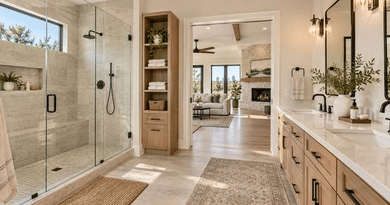
Materials are also being selected more intentionally now. Warm wood finishes, textured stone and softer lighting create homes that feel welcoming instead of overly polished. Minimalism still influences modern design though colder interiors are slowly losing popularity.
Open Layouts Are Staying But Boundaries Are Returning
Open-concept homes changed modern architecture dramatically. Walls disappeared and giant shared spaces became symbols of contemporary living. Families appreciated the brighter atmosphere and social connection those layouts created.
Though complete openness created unexpected problems.
Noise became difficult to control and privacy almost disappeared in many homes. Remote work exposed these issues quickly. Video calls happened beside kitchen appliances while television sounds traveled across entire floors. Many homeowners realized that openness without boundaries can feel overwhelming after long days.
Modern homes are now blending openness with quieter zones more thoughtfully. Flexible layouts are being introduced where separation can happen naturally without making homes feel closed off. Pocket doors, reading corners and secondary sitting areas are appearing more often in current designs.
Several timeless features are now commonly requested:
- Flexible rooms that serve multiple purposes
- Quiet workspaces with sound control
- Storage built into everyday living areas
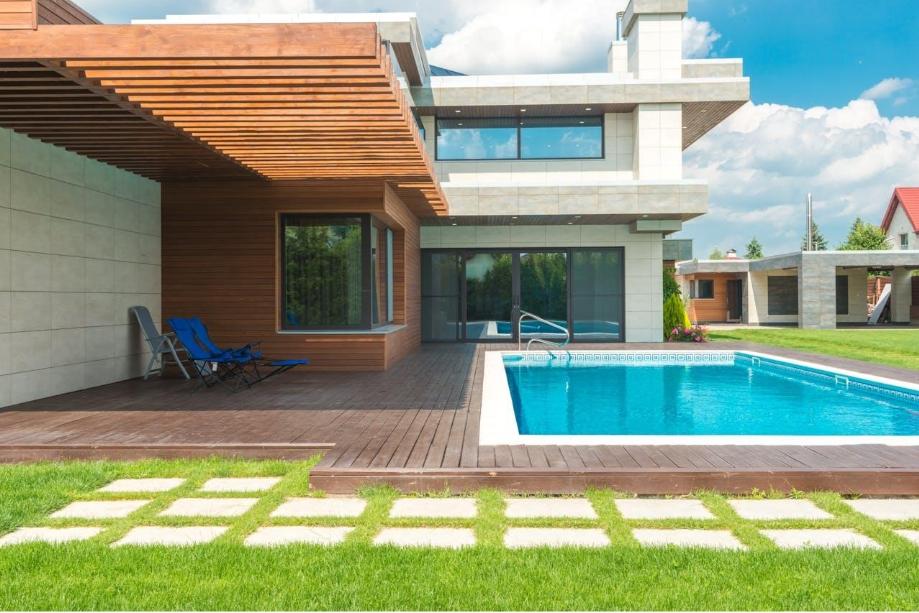
- Covered outdoor spaces for year-round use
- Larger windows placed for natural light instead of display
These details support daily life in subtle ways. Comfort increases when spaces feel manageable instead of chaotic.
Interestingly, older design ideas are returning quietly. Smaller libraries, enclosed offices and private dens once considered outdated are now appreciated again. Families want homes where people can gather comfortably while still finding personal space when needed.
Kitchens Have Become The Emotional Center Of The Home
The modern kitchen no longer functions only as a cooking space. Conversations happen there and work often happens there too. Children finish homework at kitchen islands while guests naturally gather around food preparation areas during social events.
This shift has changed kitchen design significantly.
Homeowners are becoming less interested in purely decorative features and more focused on usability. Massive statement pieces still appear occasionally though practical layouts are receiving more attention. Storage is being planned more carefully and appliances are being integrated more naturally into surrounding spaces.
Durability matters more now because homeowners expect kitchens to remain functional for many years. Materials that age gracefully are being selected more often while trend-heavy finishes are approached cautiously. Warm neutral tones continue replacing harsh all-white interiors because comfort has become a stronger priority.
Quiet Technology Is Winning People Over
Technology inside homes has changed dramatically during the last decade. Smart systems once felt futuristic and highly visible. Voice-controlled appliances and complex automation setups became selling points in many luxury homes.
Today, simplicity is being preferred instead.
Homeowners want technology that improves comfort quietly without becoming the center of attention. Lighting systems, climate controls and security features remain valuable because convenience matters. Though systems that require constant troubleshooting lose appeal quickly.
Energy-conscious design has also become a lasting feature in modern homes. Rising utility costs influenced that shift strongly. Better insulation, efficient windows and sustainable materials are now viewed as practical investments rather than niche upgrades.
At the same time, visual presentation still influences housing decisions heavily. Real estate photography often highlights natural light, flexible layouts and warm materials because buyers respond emotionally to those details immediately. A comfortable-looking home creates stronger interest than one filled with flashy gadgets.
People are also becoming more aware of long-term maintenance costs. Trend-heavy technology may feel exciting initially though complicated systems can age poorly. Timeless homes usually rely on thoughtful integration instead of excessive automation.
Would anyone truly enjoy living in a house that constantly demands updates and repairs just to function properly?
Timeless Homes Usually Feel Effortless
The most memorable homes are rarely the loudest ones. They succeed because everyday life feels easier inside them. Natural light reaches important spaces and layouts support routines without forcing constant adjustments. Those details may appear small though they shape emotional comfort powerfully.
Modern homeowners are becoming more thoughtful about permanence because renovation fatigue has become increasingly common. People want homes that continue feeling relevant without requiring endless redesigns. That mindset is influencing architecture, material selection and interior planning across many price ranges.
Timeless design is not about avoiding modern ideas completely. It is about choosing features that remain useful beyond temporary trends. Flexible spaces, durable finishes and emotionally comfortable environments continue holding value regardless of shifting aesthetics.
A well-designed home should adapt naturally as life changes. Children grow older, routines shift and priorities evolve. Homes built around genuine functionality handle those transitions far more gracefully than homes focused only on appearance.
The strongest modern homes are not chasing attention constantly. They are supporting real life quietly and doing it well year after year.