Real Estate Photography Tips That Sell Homes Faster
Real estate photography separates six-figure listings from properties that sit unsold for months. Buyers scroll through hundreds of listings daily and stop only for images that demand attention. Professional visuals are no longer optional when 97% of buyers begin their search online before ever contacting an agent. Agents pairing sharp property management services with high-impact photography are consistently closing deals faster and at stronger prices in 2026.
Why Real Estate Photography Directly Impacts Your Wallet
Numbers don’t lie, and professional visuals are a financial weapon in today’s market. Listings with high-quality photos sell for up to 47% more per square foot than those with amateur shots. Properties backed by strong rental property management and professional imagery sell 32% faster, cutting costly days on market.
With 100% of buyers starting their search online, your photos are your listing’s first handshake, and skipping a professional photographer means leaving thousands on the table.
The Proven Photo Order That Converts Browsers to Buyers
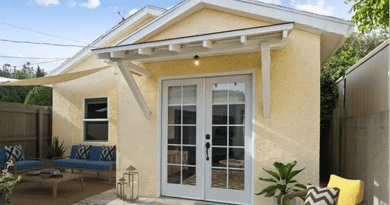
- Hero Shot: A stunning front exterior with peak curb appeal. This is the thumbnail buyers see first.
- Heart of the Home: Jump straight to the main living area or kitchen. Never open with a hallway or powder room.
- The Flow: Guide buyers naturally: Kitchen → Dining → Living Room → Primary Bedroom → Primary Bath.
- Lifestyle Shots: Backyard, pool, view, or outdoor entertaining space. Sell the feeling, not just the room.
- Detail Closes: Premium finishes, custom millwork, and architectural highlights. These justify the asking price.
- Aerial Finale: Drone shots of the full lot, neighborhood context, and surrounding landscape.
Pro Tip: Listings with 20+ high-quality photos in the right sequence receive significantly more engagement than those with fewer images in random order.
Real Estate Photography Pricing Guide: Services, Gear, and Deliverables by Tier
Not every listing demands the same investment. Match your gear and package to the property tier to maximize ROI every time.
| Property Tier | Recommended Gear | Must-Have Services | Estimated Cost |
| Entry-Level (Under $300K) | DSLR + 24mm wide-angle + tripod | 15-20 HDR photos | $110-$200 |
| Mid-Range ($300K–$600K) | DSLR + wide-angle + drone | Photos + drone stills + floor plan | $250-$500 |
| Luxury ($600K-$1.5M) | Full mirrorless kit + drone + Matterport | HDR photos + drone video + 3D tour | $500-$1,200 |
| Ultra-Luxury ($1.5M+) | Full cinematic rig + licensed drone pilot | Cinematic video + HDR + drone + 3D tour | $1,200-$3,000+ |

Lighting Mastery is The Foundation of Every Great Shot
The three golden rules of real estate lighting are given below:
1. Shoot During Golden Hours
Schedule exterior shoots in early morning or late afternoon. The sun at low angles creates warm, soft tones that make facades glow. Midday sun casts harsh shadows and bleaches detail from facades. Coordinating with sellers on window placement and orientation makes a dramatic difference in outcome.
2. Control Interior Light Temperatures
Mixed light sources, such as warm tungsten bulbs against cool daylight, create unnatural color casts. Turn off artificial lights where natural light is sufficient. Position yourself so windows fall at a 45-degree angle, never directly in front or behind. Use polarizing filters to eliminate glass glare and make interior colors pop with zero distortion.
3. Shoot Composite Exposures
Shoot multiple exposures at different settings and blend them in post. This technique handles blown-out windows and dark corners simultaneously. A tripod is non-negotiable here; even slight movement breaks the composite merge. This single technique separates amateur listing photos from agency-quality work.
2026 AI Photo Disclosure Rules Every Real Estate Agent Must Follow Now
The most overlooked topic in real estate photography content is now legally critical for every agent and photographer operating in 2026.
- California law now requires photographers and agents to clearly label any AI-altered images and include the original unaltered photo alongside them.
- This rule covers AI virtual staging, sky replacements, landscaping swaps, and twilight conversions without exception.
- New York has passed similar legislation specifically targeting AI-generated figures appearing in listing videos.
- Enhancing a photo is completely legal, but altering the actual reality of a property crosses a clear legal line.
- Virtually staged rooms must always be disclosed as such before uploading any image to MLS platforms.
- Non-compliance puts agents at serious risk of fines, MLS violations, and professional license consequences.
Real Estate Photography Pricing for 2026 Breakdown
Understanding cost versus ROI is what separates strategic agents from reactive ones. The national average for a standard shoot sits around $230, but pricing swings wildly by market. Los Angeles averages $318-$650 for standard packages. The Bay Area runs $360+. Drone add-ons cost $100-$350, depending on whether you need stills, video, or both. Cinematic listing videos run $400-$800 per property.
The ROI Formula is simple:
- Listing price: $750,000
- Your 3% commission: $22,500
- Photography investment: $600
- If photos help close even 1 week faster, the math is overwhelmingly positive.
AI virtual staging is now eliminating one major cost line; traditional staging runs $25-$75 per room, while AI delivers equivalent results instantly and for near-zero cost.

Conclusion
Real estate photography transforms ordinary listings into scroll-stopping visual stories that buyers cannot ignore. Every great photo builds trust, urgency, and emotional connection before a single showing is booked. Agents who invest in professional visuals consistently outperform competitors on price, speed, and brand reputation. Make real estate photography your non-negotiable standard and watch your results speak for themselves.
Faqs
1: Should the seller be home during the photography session?
It’s their right to stay, but it’s not ideal. Photographers can produce better results in less time when distractions are limited, and all staging and cleaning must be completed before the appointment, regardless of who is on site. Asking sellers to step out for an hour is a small ask that pays off in sharper, faster, cleaner results.
2: Can real estate photography be done in bad weather?
Yes, with the right approach. Photographers can shoot on cloudy days, and editing teams can replace dull or gray skies on exterior shots. However, if conditions become extreme or hazardous, rescheduling is the responsible call. Overcast days actually produce soft, flattering interior light, so a rainy day isn’t always a wasted shoot.
3: Will AI completely replace professional real estate photographers?
Not anytime soon. AI handles repetitive post-processing tasks efficiently, but it cannot replicate the creative skill of a photographer who controls composition, manages lighting, and builds a mood.