The Untold Stories of Nepal’s Himalaya: Mountain Life, Cultural Heritage, and Trails
The Himalaya Beyond Its Famous Peaks
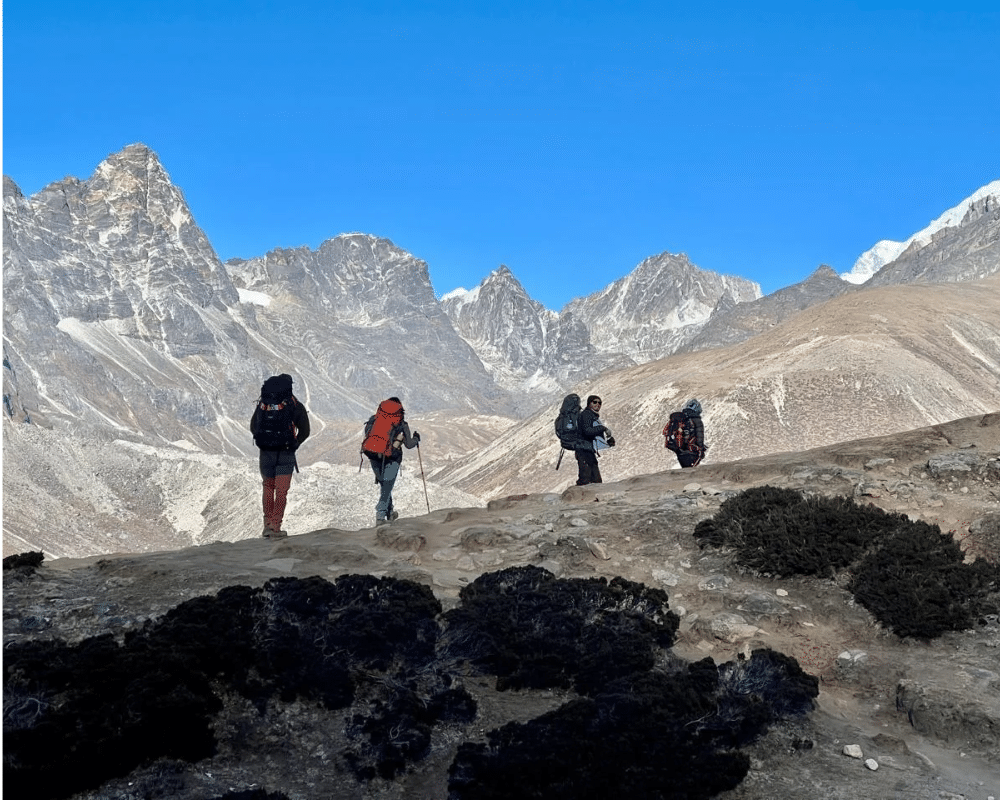
Most people picture Nepal as a row of white summits on a postcard. Fair enough, the mountains are huge. But spend a few days walking there and you will realize the peaks are really just the backdrop. The story is happening lower down, in stone villages, on yak trails, in kitchens where the stove never seems to go cold.
Altitude, steep valleys and long distances have shaped how people farm, build, trade and pray. Each region ended up with its own habits and its own way of doing things. That is exactly why Trekking in Nepal feels so different from just ticking off a mountain. You are moving through living communities, and every ridge you cross brings a slightly different culture with it.
This guide walks through the main Himalayan regions with that in mind, plus a few practical notes so you know what to expect on the ground.
The Mountain Landscape That Shapes Life in Nepal
Nepal packs an odd amount of variety into a small space. In a single trek you can start in warm, terraced hills, climb through rhododendron and pine forest, cross alpine meadows and finish beside glaciers. Rivers have cut deep gorges between the ranges, and villages cling to whatever flat ground they can find.
That terrain decides almost everything. Barley and potatoes grow where rice never could. Goods travel on the backs of porters, mules and yaks because there are no roads for long stretches. Houses are built from local stone and timber, with thick walls and small windows to hold in the heat. Even the daily rhythm follows the light and the weather.
It also explains why neighbouring valleys can feel like different worlds. Language, dress, religion and food shift as you move between regions. For a traveller, the practical takeaway is simple: pack for real variety in temperature and give yourself time to adjust to the height.
Everest Region: Sherpa Heritage and Life Beneath the World’s Highest Peaks
Sherpa Communities and Their Mountain Traditions
The Khumbu is the homeland of the Sherpa people, who have lived in these high valleys for generations. Families here traditionally mix small-scale farming with yak herding, and many now run lodges as well. Homes are sturdy, whitewashed stone, and hospitality is taken seriously. Expect to be handed hot tea before you have even put your pack down.
Buddhism is woven into daily life. You will pass man-made walls carved with prayers, and the rule is to keep them on your left as you walk by. Prayer flags snap in the wind over bridges and passes, and monasteries sit above many of the larger villages.
Beyond the Famous Everest Trails
Namche Bazaar, at roughly 3,400 metres, is the region’s trading hub. It has bakeries, gear shops, a Saturday market and a lot of people resting up to acclimatise. Further along, Tengboche Monastery is one of the most important religious sites in the valley, with huge peaks in every direction.
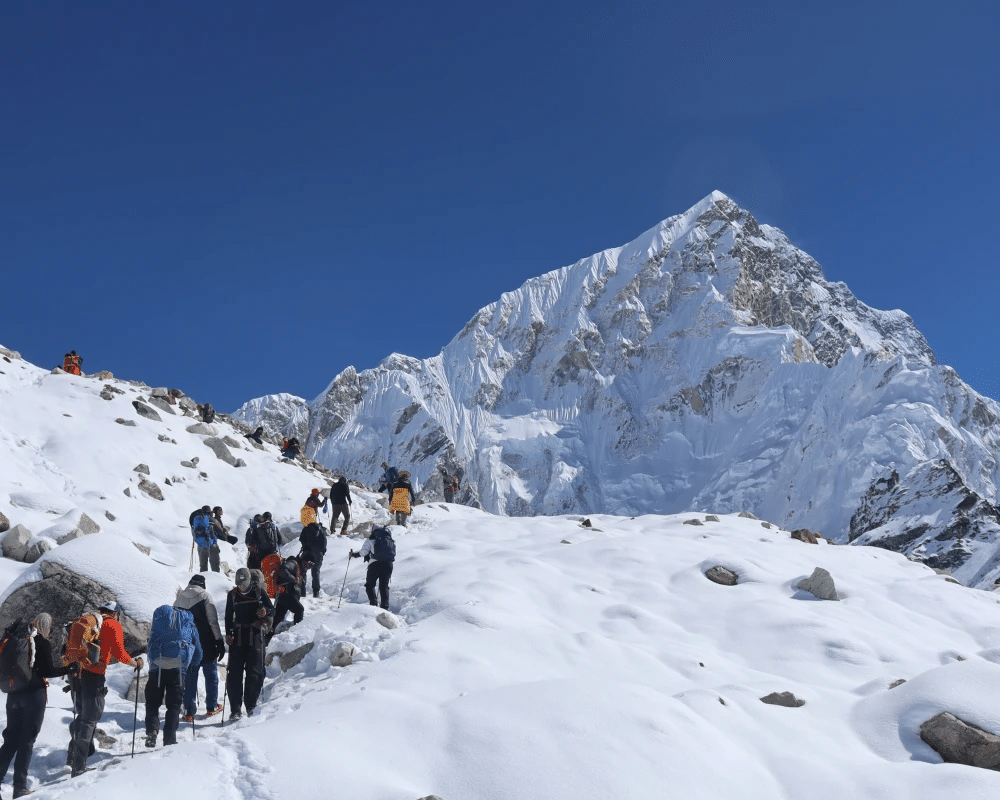
Tourism has changed local livelihoods a great deal. Lodges, guiding and portering now support many families, though it also brings pressure on resources and trails. On the Everest Base Camp Trek, you pass through all of these villages on the way to a base camp at about 5,360 metres, so it is as much a cultural walk as a mountain one.
Practical note
Build in acclimatization days, usually at Namche. Spring and autumn offer the most reliable weather, and teahouses along the route mean you do not need to carry camping gear.
Manaslu Region: Traditional Villages and the Influence of Tibetan Culture
Life Along the Budhi Gandaki Valley
The trail follows the Budhi Gandaki river, and the early days feel gentler and greener than people expect. There are terraced fields, suspension bridges, waterfalls, and small villages where life moves at walking pace. Farming, trade and the river itself set the calendar here. As you gain height, the valley narrows, the forests thin out, and the communities change with it.
Tibetan Buddhist Heritage in the High Mountains
Higher up, the Tibetan influence becomes obvious. Long mani walls, chortens, prayer wheels and flat-roofed stone houses mark villages such as Samagaun and Samdo, which sit close to the Tibetan border and have long trading links across it. The feel is quieter and more remote than the busier trails, and the surrounding peaks look enormous.
The Manaslu Circuit Trek crosses the Larkya La pass at around 5,100 metres, so it is a proper challenge, not a casual stroll.
Practical note
This is a restricted area, so you need special permits and a licensed guide, and trekkers must usually travel in a group of at least two. Sort the paperwork well before you arrive in Kathmandu, and check current rules with your operator.
Annapurna Region: Mountain Communities, Farming Traditions, and Cultural Diversity
The Annapurna region is probably the most varied of all. Gurung communities are common in the lower and middle hills, while the Thakali people are closely linked with the Kali Gandaki valley, once part of an important trading route. Landscapes jump from subtropical farmland to dry, windy, Tibetan-style terrain in a matter of days.
Stone villages with slate roofs, tidy terraced fields and old trade-route stops give the walk real texture. Food is part of the experience too. In Marpha, for instance, apples turn up in everything from pies to brandy, and the lodges often serve local dishes alongside the usual trekking menu.
The infrastructure here is well developed, with plenty of lodges and clear trails. For first-timers, that makes it a comfortable region to start in, especially if you want cultural contact without too much logistical hassle.
Makalu Region: Remote Trails and the Quiet Life of Eastern Nepal
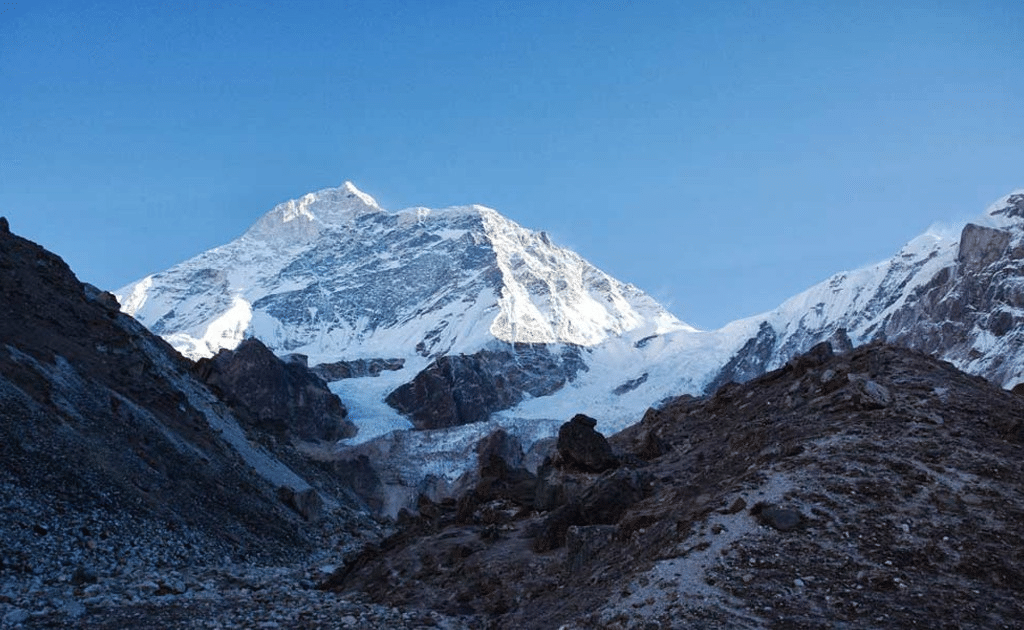
Head east and things get wilder. The Makalu-Barun area has deep forested valleys, a huge range of plants and wildlife, and far fewer visitors. Distance and rough terrain have kept villages fairly self-reliant, and daily life centers on farming and livestock. Rai and Sherpa communities live here, and the feel is noticeably different from the better-known western trails.
The Makalu Base Camp Trek suits people who want solitude and are comfortable with a tougher, less polished experience. Lodges are fewer and simpler than in Everest or Annapurna, the days can be long, and getting to the trailhead takes effort.
Practical note
Allow extra time for travel and weather delays, carry spare cash and snacks, and go with an experienced guide who knows the area.
Himalayan Food, Architecture, and Everyday Cultural Traditions
Food That Reflects Mountain Life
Dal bhat, rice with lentil soup and vegetable curry, is the backbone of the Nepali diet, and trekkers often swear by it because refills are usually free. Higher up you will meet tsampa (roasted barley flour), Tibetan bread, hot thukpa noodle soup, and plenty of momo. Yak and cow dairy is common. Ingredients depend on what grows or can be carried in, so menus get simpler as you climb.
Traditional Homes and Community Life
Houses are built from stone and wood, often around a courtyard, with livestock kept close and fuel stacked nearby. Seasonal work, from planting to harvest to moving animals, brings neighbours together. Watching how a village divides its chores tells you more than any museum label would.
Monasteries, Festivals, and the Spiritual Heritage of the Himalaya
Tibetan Buddhism shapes much of the high country, while Hindu traditions are strong in other communities. Monasteries act as places of worship, learning, and gathering, and many welcome respectful visitors. Walk clockwise around shrines, dress modestly, and ask before taking photos inside.
Prayer flags, chanting and painted murals are part of everyday life. Festivals such as Losar, the Tibetan New Year, usually falling in late winter, bring families together with ceremony and food. If your dates line up with one, it is worth adjusting your plans to see it.
Beyond Nepal: The Shared Himalayan Heritage of Tibet and Bhutan
Nepal’s mountain culture does not stop at the border. Tibet and Bhutan share Buddhist traditions, monastery architecture, festival masks and similar ways of living at altitude. Trade and pilgrimage have linked these areas for centuries.
That said, they are not copies of each other. Each country has its own language, politics, art and customs, and even within Nepal the differences between valleys are strong. Think of the Himalaya as a connected region made of many separate identities.
Local Knowledge, Mountain Hospitality, and the Changing Himalayan Experience
Guides, porters and homestay hosts are the real keepers of local knowledge. They know which trail is safe after rain, how to greet an elder, and why a certain peak matters to the village below it. Using local services also keeps more money in the communities you walk through.
Change is real, though. New roads, shifting weather patterns, and growing visitor numbers are altering the mountains and the way people earn a living. Travelling responsibly helps: carry out your rubbish, respect sacred spaces, and bargain gently if at all. Many travellers also prefer operators who work closely with local teams, and Out Shine Adventure is one example of that kind of locally informed approach.
Practical note
Travel insurance that covers high-altitude trekking, a good pair of broken-in boots and flexible dates will help far more than fancy gear.
Understanding the Himalaya Through Its People and Stories
Nepal’s famous peaks attract travellers from around the world, but its traditional villages, monasteries, local communities, and ancient trails make every journey truly special. Each Himalayan region has its own culture, traditions, and unique landscapes waiting to be discovered.
Outshine Adventure Nepal, a local travel agency based in Nepal, works in partnership with Viajes a Nepal to organize authentic trekking adventures and travel experiences for Spanish-speaking travelers.
Whether you are interested in the Trekking por el Circuito de Manaslu or the Trekking al Valle de Langtang, we help you discover Nepal’s mountains, local cultures, and unforgettable Himalayan experiences.