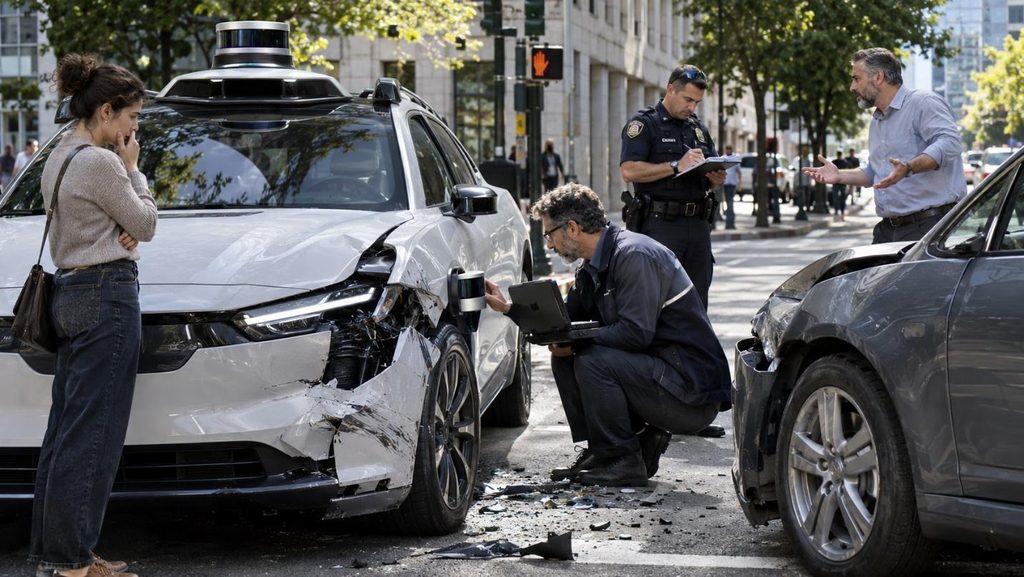
Who Is Responsible When a Self-Driving Car Causes an Accident?
Self-driving technology is changing how people travel, but it also raises an important question: who is responsible when an automated vehicle causes an accident? Unlike a traditional collision, where driver behavior is often the main focus, an accident involving a self-driving car may involve several parties, including the vehicle owner, manufacturer, software developer, or another driver.
For people in San Jose, California, understanding how these cases work is particularly important as automated driving features become more common on public roads. Determining responsibility requires looking beyond the vehicle itself and examining how the technology was being used, what caused the collision, and whether anyone failed to meet their legal responsibilities.
The Driver May Still Be Responsible
One common misconception is that using an automated driving feature means the person behind the wheel is no longer responsible for the vehicle. That is not necessarily true.
Many vehicles advertised with self-driving or autopilot features actually offer driver assistance rather than fully autonomous driving. These systems may control steering, acceleration, and braking under certain conditions, but they still require the driver to pay attention and remain ready to take control. If a driver ignores road conditions, fails to respond to warnings, or uses an assistance system in a situation where it is not designed to operate, they may be held responsible for a resulting accident.
For example, if a vehicle’s lane-keeping feature is active but the driver is distracted and fails to respond to an approaching hazard, their actions may become an important part of the liability investigation.
The Vehicle Manufacturer May Share Liability
A vehicle manufacturer may be responsible when a defect in the vehicle or its automated driving technology contributes to a collision.
Product liability claims can arise when a vehicle contains a design defect, a manufacturing problem, or inadequate safety warnings. In an automated vehicle accident, investigators may examine whether the system was designed to recognize common road hazards, respond appropriately, and alert the driver when human intervention was necessary.
For instance, if a vehicle’s automated braking system fails to recognize a stopped vehicle ahead despite operating under appropriate conditions, investigators may examine whether a defect contributed to the crash. The manufacturer’s responsibility depends on the available evidence and the specific legal grounds of the claim. It is not automatically liable simply because an automated feature was involved.
Software Developers Could Also Be Involved
Self-driving technology depends on software that processes information from cameras, sensors, radar, and other vehicle systems. These technologies help the vehicle identify nearby objects, interpret road conditions, and make driving decisions.
If a software malfunction contributes to an accident, the company responsible for developing or supplying that technology may become part of the investigation.
Some issues investigators may examine include:
- Software errors that cause incorrect driving decisions.
- Failure to recognize pedestrians, cyclists, or other vehicles.
- Problems with updates that affect system performance.
- Inadequate warnings about system limitations.
Determining whether a software developer is legally responsible can be complicated. Investigators may need technical records, system logs, and expert analysis to establish what happened.
Other Drivers and Road Users May Contribute to the Accident
Not every collision involving a self-driving vehicle is caused by its technology. Another driver, cyclist, pedestrian, or road user may have contributed to the incident.
For example, another motorist might run a red light, make an unsafe lane change, or suddenly enter the vehicle’s path. Road conditions, construction zones, poor visibility, and unexpected obstacles may also play a role.
California follows a comparative negligence system. This means responsibility can be divided among multiple parties according to their share of fault. Even if an injured person is partly responsible, they may still be able to recover compensation, although their percentage of fault can reduce the amount awarded.
This makes it important to examine the complete sequence of events rather than assuming that the automated vehicle or its driver is automatically responsible.
Evidence Plays a Major Role in Determining Fault
Establishing liability in an automated vehicle accident often requires more technical evidence than a typical car crash. Investigators need to understand what the vehicle was doing before the collision and whether its automated features were operating as intended.
Important evidence may include:
- Vehicle data: Records showing speed, braking, steering, and system activity.
- Camera footage: Dashcam, traffic camera, and nearby surveillance recordings.
- Sensor information: Data showing how the vehicle detected surrounding objects and road conditions.
- Software records: Information about system updates, warnings, and possible technical errors.
- Witness statements: Accounts from passengers, pedestrians, and other drivers.
The National Highway Traffic Safety Administration (NHTSA) requires certain manufacturers and operators to report qualifying crashes involving automated driving systems and specific driver-assistance technologies. These reports help regulators identify potential safety concerns and investigate possible defects.
Understanding Your Legal Options After an Automated Vehicle Accident
When several parties may have contributed to a collision, identifying the responsible parties can require a detailed investigation. Depending on the circumstances, a claim may involve the driver, vehicle manufacturer, technology provider, or another motorist.
If you are dealing with the aftermath of an automated vehicle collision, consulting a self-driving car accident lawyer in San Jose can help you understand the legal issues involved and what evidence may be important to your case. Reviewing the circumstances of the crash, available vehicle records, and potential sources of liability can help clarify the options available.
What Should You Do After a Self-Driving Car Accident?
If you are involved in an accident with an automated vehicle, your immediate priority should be safety and medical attention. Once the situation is under control, taking a few practical steps can help preserve important information.
- Contact emergency services: Report the collision and request medical assistance if anyone is injured.
- Document the scene: Photograph vehicle damage, road conditions, traffic signals, and visible injuries.
- Collect information: Exchange contact and insurance details with the other parties involved.
- Identify the vehicle technology: Record the make, model, and any automated driving feature that was reportedly active.
- Preserve available evidence: Keep photographs, dashcam footage, medical records, and relevant communications.
- Avoid making assumptions about fault: The cause may not be clear until the vehicle data and other evidence have been reviewed.
It is also helpful to seek legal guidance before dealing with complex insurance or liability questions.
Conclusion
There is no single answer to who pays when a self-driving car causes an accident. Responsibility depends on the circumstances, the technology involved, and whether a driver, manufacturer, software developer, or another party contributed to the collision. In some cases, more than one party may share liability. Understanding how automated systems operate, preserving relevant evidence, and examining the cause of the crash are important steps toward determining responsibility and pursuing an appropriate claim.