A Comprehensive Guide to The Unsent Project
A Comprehensive Guide to The Unsent Project
Understanding The Unsent Project: A Digital Archive of Unspoken Emotions
The Unsent Project is a digital art archive where people anonymously submit messages they never sent to someone they once knew—each paired with a color representing their emotion. Founded by artist Rora Blue in 2015, it now holds over 5 million anonymous messages from around the world.
Quick Overview:
- What it is: An anonymous platform for sharing unsent messages paired with colors that represent emotions
- How it works: Write a message, choose a color (like blue for sadness or red for love), and submit it to the permanent archive
- Who can participate: Anyone can submit or browse messages anonymously, no account required
- Key feature: Messages are searchable by recipient’s first name or color, but remain anonymous forever
- Important note: Once submitted, messages cannot be deleted or edited
Every day, people write words they’ll never say out loud. An apology that feels too late. A confession of love that missed its moment. A goodbye that was never spoken. The Unsent Project gives these words a home.
What started as a small artistic experiment on Tumblr has grown into a global phenomenon. The archive has gained widespread media attention, is studied in universities, and has been showcased at art exhibitions. During the COVID-19 pandemic, submissions surged by 300% as isolation drove people to seek connection through anonymous expression.
The project’s power lies in its simplicity. You don’t need to create an account. You don’t need to explain yourself. You just write what you couldn’t say, pick a color that captures how it feels, and let it go into the archive where millions of others have done the same.
For those navigating the complexities of modern life—where authentic connection often feels scarce—The Unsent Project offers something rare: a space where silence finally speaks, and where the weight of unspoken words can find release.
The Origin and Growth of a Global Art Phenomenon
From a humble Tumblr experiment to a digital sanctuary for millions of untold stories, The Unsent Project has captured the collective imagination. It’s a testament to the universal human need to express, connect, and sometimes, simply let go. This innovative artistic endeavor, born in 2015, quickly transcended its origins to become a significant cultural touchstone, particularly resonating with younger generations and finding recognition across various media.
The Founder’s Vision
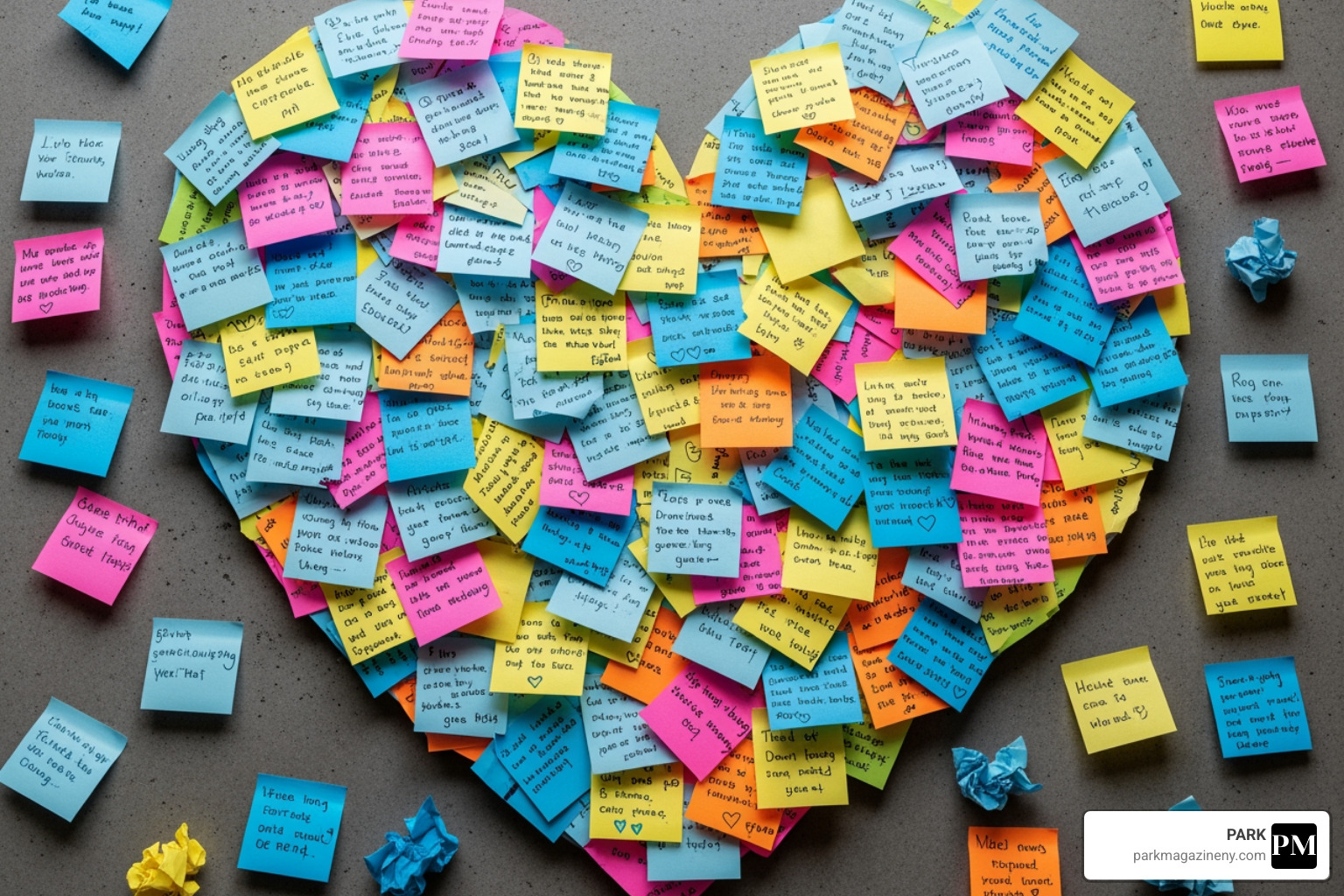
At the heart of The Unsent Project is the insightful vision of artist Rora Blue. She conceived of the project as an exploration into the profound connection between emotions and color. Her initial idea was simple yet brilliant: create a space where people could anonymously submit messages they wished they had sent, pairing each message with a color that best represented the emotion it carried. This artistic endeavor blossomed into a powerful platform for human connection, changing the silence of unexpressed words into a vibrant, collective art form. Rora Blue’s work, which has been featured in prestigious media outlets, underscores the project’s unique blend of art, psychology, and digital community.
A Timeline of Viral Growth
What began with just 100 initial submissions in 2015 rapidly evolved into a global phenomenon. The Unsent Project started as a small, grassroots initiative, but its unique concept quickly caught fire across social media platforms. By 2020, the archive housed approximately 1.25 million messages, a clear indicator of its growing appeal.
The true surge, however, came during the COVID-19 pandemic. In 2021, submissions increased by an astonishing 300% compared to pre-pandemic levels, pushing the total to 5 million messages. This period of physical isolation drove countless individuals to seek digital outlets for emotional expression, and The Unsent Project offered a perfectly anonymous and cathartic space. The #unsentproject hashtag gained immense traction, and videos of users searching for their names in the archive frequently went viral on platforms like TikTok, further amplifying its reach, especially among Gen Z. By mid-2025, the project expects to exceed 5 million archived messages, with a 30% increase in submissions in the current year alone. Its growth has even garnered academic interest, with the archive now being studied in universities as a rich repository of human emotion.
How The Unsent Project Works: A Step-by-Step Guide
The beauty of The Unsent Project lies in its straightforward and accessible process. It operates on a principle of anonymous submission, creating a safe space for vulnerability without the pressure of direct identification. For participants, this means a simple, yet profound, way to contribute to or explore a vast ocean of human emotion.

Submitting Your Unsent Message
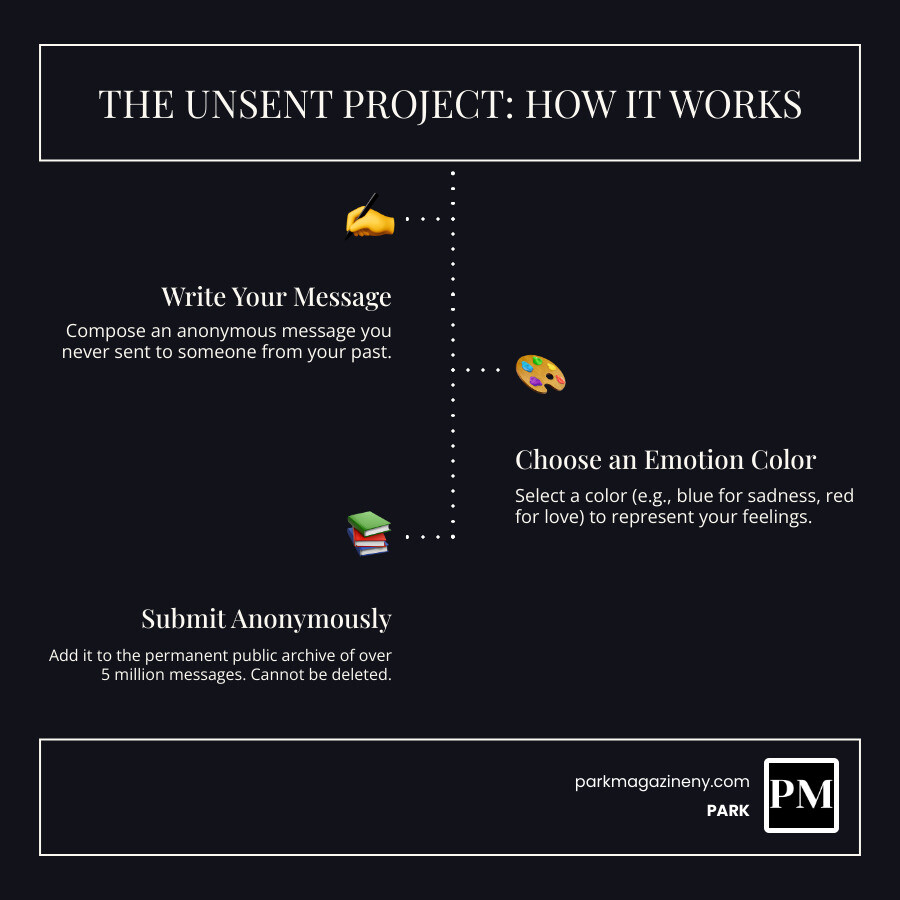
Contributing to The Unsent Project is an intuitive and emotionally resonant experience. Here is how it works:
- Craft Your Message: Think of someone-a past love, a friend, a family member, or even a stranger-to whom you wish you had sent a message. Write down exactly what you wanted to say, without holding back. The platform even allows you to include the first name of the recipient, which is optional and helps in searching the archive later.
- Choose Your Color: This is where the artistic and emotional core of the project truly shines. You select one of 11 distinct colors that best represents the overarching emotion of your message. We will dig deeper into the significance of these colors shortly, but know that this choice is integral to how your message is categorized and understood within the archive.
- Submit Anonymously: Once you have written your message and chosen its color, you simply submit it. The platform ensures complete anonymity; no identifying information about you or the intended recipient is shared. It is a pure act of release. Contributors are encouraged to avoid including real names or private details that could identify others, ensuring the integrity and safety of the shared space. Once submitted, messages become a permanent part of the archive and cannot be deleted or edited. This permanence encourages thoughtful reflection before sending.
You can share your own heartfelt words by visiting the Submit To The Unsent Project page.
Exploring the Archive
Just as powerful as submitting a message is the act of exploring the vast archive of The Unsent Project. It is a journey into the collective human experience, offering glimpses into the unspoken thoughts and feelings of millions.
- Search Functionality: The archive is fully searchable. You can enter a first name to see if any messages were submitted with that name. This feature often leads to surprising and deeply moving finds, as people find messages that feel eerily personal.
- Filtering by Color: You can also filter messages by their associated color, allowing you to immerse yourself in a particular emotional landscape-whether it is the longing of blue or the passion of red.
- Reading Messages: As you browse, you will encounter a diverse array of emotions, from confessions of love and apologies to expressions of regret and goodbyes. This act of reading can be incredibly cathartic, fostering empathy and a profound sense of not being alone in our unspoken sentiments. It is a unique and intimate glimpse into the thoughts, emotions, and experiences of people from all walks of life.
To start on your own journey through these shared human experiences, visit The Unsent Project Archive.
The Psychology of Unsent Words: Color, Catharsis, and Connection
The Unsent Project isn’t just an art installation; it’s a powerful psychological tool. The act of writing down words that were never spoken, and then releasing them into an anonymous archive, taps into deep human needs for catharsis, emotional processing, and connection.
The Meaning Behind the Colors
One of the most distinctive and impactful features of The Unsent Project is its color system. The platform uses 11 distinct colors, each carefully chosen to represent a specific emotional state or nuance. This visual coding system adds another layer of expression and understanding to the anonymous messages. For instance, blue has emerged as the most requested color across submissions, often symbolizing sadness, longing, and melancholy. Red, ranking second in popularity, typically represents passionate love, desire, or even pain mixed with gratitude. Green might signify hope or envy, while yellow could be associated with happiness or betrayal.
These color choices aren’t arbitrary; they tap into our innate understanding of color psychology, allowing for an immediate, visceral connection to the message’s emotional core. Some feelings, as the project suggests, are so profound they can only exist as a color.
The Therapeutic Power of Writing
The psychological benefits of expressive writing are well-documented, and The Unsent Project provides a perfect real-world application of this therapeutic practice. Research, including meta-analyses of hundreds of studies, supports the therapeutic value of platforms like this. Studies have shown that expressive writing can significantly reduce symptoms of depression and social anxiety.
Writing unsent messages offers several key psychological advantages:
- Emotional Release and Catharsis: Penning down deeply held feelings, whether they are confessions of love, apologies, or expressions of grief, provides a powerful outlet. It allows us to release the emotional weight we’ve been carrying, even if the message is never delivered to its intended recipient.
- Finding Closure: For many, the act of writing the unsent message serves as a form of “private resolution,” as psychologist Guy Winch describes it. It helps process emotions, gain perspective, and find a sense of closure without needing a response from the other person.
- Self-Reflection and Healing: The process encourages introspection. By articulating our unspoken thoughts, we gain a clearer understanding of our own feelings, motivations, and the dynamics of past relationships. This self-awareness is a crucial step towards emotional healing and personal growth.
- Reducing Stress and Improving Mood: Expressive writing has been shown to reduce stress, improve mood, and even boost physical health. It’s a way to externalize internal turmoil, making it feel more manageable.
In a world that often encourages us to suppress difficult emotions, The Unsent Project offers a valuable space for healthy emotional processing, reinforcing that writing it down can indeed lighten what has been heavy for too long.
The Project’s Cultural Footprint and Ethical Landscape
The Unsent Project has transcended its digital boundaries, establishing a significant cultural footprint and sparking important conversations about digital ethics and community. For us in New York City, a hub of art and culture, its recognition in various artistic and academic circles is particularly noteworthy.
Fostering a Global Community
At its core, The Unsent Project fosters a profound sense of community and connection. By archiving and publicly displaying these anonymous messages, it creates a collective diary of human experience. When we read these messages, we often find our own unspoken words reflected in the sentiments of strangers, leading to a powerful realization that we are not alone in our feelings. This shared vulnerability cultivates empathy and provides solace, overcoming the isolation that can often characterize modern digital interactions.
The project unites people globally, creating deep connections that transcend geographical boundaries. It’s a testament to the idea that authenticity and shared emotional experiences are more vital than ever. The archive serves as a living record, a space where silence speaks volumes, allowing millions to find belonging through the simple act of sharing what was never said. It has even partnered with mental health organizations, recognizing its role in supporting emotional well-being.
Considerations and Future of the Unsent Project
While The Unsent Project offers immense benefits, it also operates within an ethical landscape that requires careful consideration.
Potential Risks and Ethical Considerations:
- Content Permanence and No Deletion Policy: A key feature of the project is that messages, once submitted, are permanent and cannot be deleted. This policy is crucial for maintaining the integrity of the archive as a historical record of emotion. However, it also means contributors must reflect carefully before submitting, as their words will remain publicly accessible indefinitely.
- User Safety and Anonymity: While submissions are anonymous, the project advises against including real names or private details that could inadvertently identify others. This is vital for protecting privacy and ensuring the space remains safe for all.
- Triggering Content: The archive contains a vast array of human emotions, including pain, regret, and loss. While therapeutic for many, some messages could be triggering for sensitive readers. The founder personally reviews 50 to 100 submissions daily, and manual approval for all messages has been mandatory since July 2023, partly in response to previous guideline violations, ensuring a moderated environment.
Future Goals and Expansion Plans:
The Unsent Project is not static; it continues to evolve and expand its reach:
- Mobile App: By the end of 2025, the project aims to launch a user-friendly mobile app, making it even easier for individuals to submit and explore messages on the go.
- Interactive Features: Plans are underway to develop an interactive feature that allows for anonymous responses to messages, fostering a dynamic dialogue that bridges time and space.
- Physical Gallery: Looking further ahead, a physical gallery is slated to open by 2026. This would transform selected digital submissions into a tangible, evolving art installation, bringing The Unsent Project into the field of physical art spaces, a perfect fit for New York City’s vibrant new york art scene.
These future endeavors highlight the project’s commitment to continuous innovation while staying true to its core mission of preserving and sharing unspoken words.
Frequently Asked Questions about the Unsent Project
We often receive questions about the mechanics and ethos of The Unsent Project. Here, we address some of the most common inquiries to provide clarity for our readers.
Is The Unsent Project anonymous and safe?
Yes, absolutely. The Unsent Project is designed to be an anonymous platform. When you submit a message, no identifying personal information is collected or displayed. We encourage all participants to maintain anonymity by avoiding real names or private details in their submissions.
Regarding safety, the project strives to create a safe space for expression. The founder personally reviews a significant number of submissions daily (between 50 and 100), and since July 2023, all messages undergo manual approval. This moderation process helps to ensure that content adheres to guidelines, although readers should be mindful that the archive contains a wide range of emotional content, some of which can be intense or triggering. The platform’s commitment to anonymity and moderation helps foster a respectful environment for all.
Can I delete a message I submitted?
No, once a message is submitted to The Unsent Project, it becomes a permanent part of the archive. There is no option to delete or retract a message. This policy is fundamental to the project’s integrity, ensuring that the archive remains a consistent and authentic record of unexpressed emotions. We strongly advise individuals to reflect carefully on their words before submission, as they will remain in the archive indefinitely. This permanence is a deliberate choice, encouraging a mindful and considered approach to sharing.
What is the purpose of the Unsent Project?
The purpose of The Unsent Project is multifaceted, encompassing artistic expression, emotional release, and community building:
- Artistic Expression: At its origin, it is an art project exploring the connection between emotions and color, changing unspoken words into a collective, visual art form.
- Emotional Release and Catharsis: It provides a unique and anonymous outlet for individuals to express feelings they never had the chance to say aloud. This act of expressive writing offers significant psychological benefits, including emotional processing, finding closure, and reducing the burden of unspoken words.
- Creating a Collective Archive of Human Emotion: The project serves as a living, digital sanctuary, archiving millions of messages that offer a profound glimpse into the shared human experience. It’s a testament to the universality of love, loss, regret, and hope.
- Fostering Connection through Shared Vulnerability: By allowing individuals to read the anonymous messages of others, The Unsent Project cultivates empathy and a sense of belonging. It connects strangers through shared emotional landscapes, reminding us that we are not alone in our deepest feelings.
The Unsent Project aims to give a voice to silence, changing personal, unsaid words into a powerful symphony of shared humanity.
Conclusion
The Unsent Project stands as a compelling testament to the intersection of art, technology, and human emotion. It has evolved from a simple digital experiment into a profound social phenomenon, offering a modern confessional for millions of individuals worldwide. We, at PARK Magazine, recognize its unique contribution to the contemporary cultural landscape, especially in a city like New York, where artistic innovation and emotional expression are highly valued.
This digital sanctuary provides a vital space for catharsis, connection, and reflection, proving that even the words we never send possess immense power. It reminds us that our unspoken thoughts and feelings, when given a collective voice, can foster empathy, understanding, and a shared sense of humanity. As The Unsent Project continues to grow and innovate, its legacy will undoubtedly be that of a unique archive—a vibrant, color-coded mix of the human heart.
To dig deeper into the rich mix of artistic and cultural movements, we invite you to Explore more on art and culture.