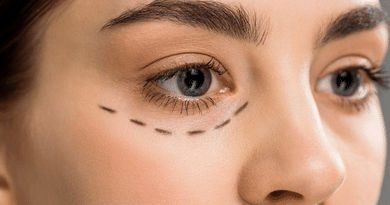
The Psychological Impact of Cosmetic Surgery on Confidence
Mental wellness often relies on how people view themselves in the mirror every day. Physical appearance plays a large role in daily mood and self-image. When someone feels unhappy with a feature, it can affect their personal interactions and overall mindset. Changing an aspect of one’s appearance through cosmetic procedures can bring unexpected psychological shifts.
A Direct Boost to Self-Esteem
Personal satisfaction with one’s body image directly influences daily emotional health. A recent study found that individuals who undergo successful cosmetic procedures experience improved body satisfaction and overall self-esteem. People often report feeling lighter in social situations after fixing a long-standing insecurity.
Taking action on personal appearance can change how someone presents themselves to the world. Higher self-esteem often leads to clearer communication and stronger personal relationships.
Shifting Daily Perceptions
Mental comfort often increases when a physical distraction is removed. Patients undergoing rhinoplasty surgery frequently experience a drop in social anxiety and feel more open in group settings. Feeling good about a facial profile allows people to focus on their surroundings rather than worry about how they look to others.
This emotional relief can extend into many areas of daily life. People often report feeling more present during conversations at work and home.
The Drive for Personal Growth
Changing physical traits can act as a catalyst for bigger lifestyle improvements. Research suggests that many see aesthetic treatments as a pathway to personal growth, emotional stability, and a renewed sense of self-control. Once a major insecurity is gone, individuals often feel empowered to tackle new personal goals.
This shift in attitude can lead to healthier daily habits and positive life choices. People may start working out, eating better, or pursuing new career opportunities.
Rising Popularity and Reduced Stigma
More people are open to aesthetic enhancements now than in past decades. Recent data shows a 5% overall rise in cosmetic surgical procedures, with tens of thousands of individuals choosing surgical updates each year. Reduced social stigma surrounding these choices allows patients to focus on their personal happiness without fear of judgment.
Acceptance across various age groups has made open discussions about aesthetic changes much more common. Society increasingly views these choices as standard forms of self-care.
Measurable Mental Health Improvements
Scientific research tracks clear links between cosmetic procedures and emotional stability. Evidence indicates that cosmetic surgery is associated with a small to moderate but significant improvement in self-esteem. These psychological changes help build long-term confidence in daily activities.
These positive outcomes help individuals maintain an optimistic outlook on life. Long-term benefits often depend on maintaining realistic expectations throughout the process.
The Role of Psychological Readiness
Emotional stability prior to any treatment remains a critical factor for success. Studies confirm that patients who experience the best outcomes are those whose psychological state is stable before surgery. Clear expectations ensure that the physical transformation matches the mental expectation.
Surgical choices work best as tools to enhance existing confidence rather than completely fix deep emotional issues. Healthy motivation leads to the most satisfying outcomes.
Realizing Long-Term Well-Being
Feeling comfortable in your own skin changes how you experience each day. Higher self-esteem translates to clearer communication, better work performance, and stronger connections. Taking control of physical features offers many people a clean slate to build a more confident life. Check out the rest of our articles today!