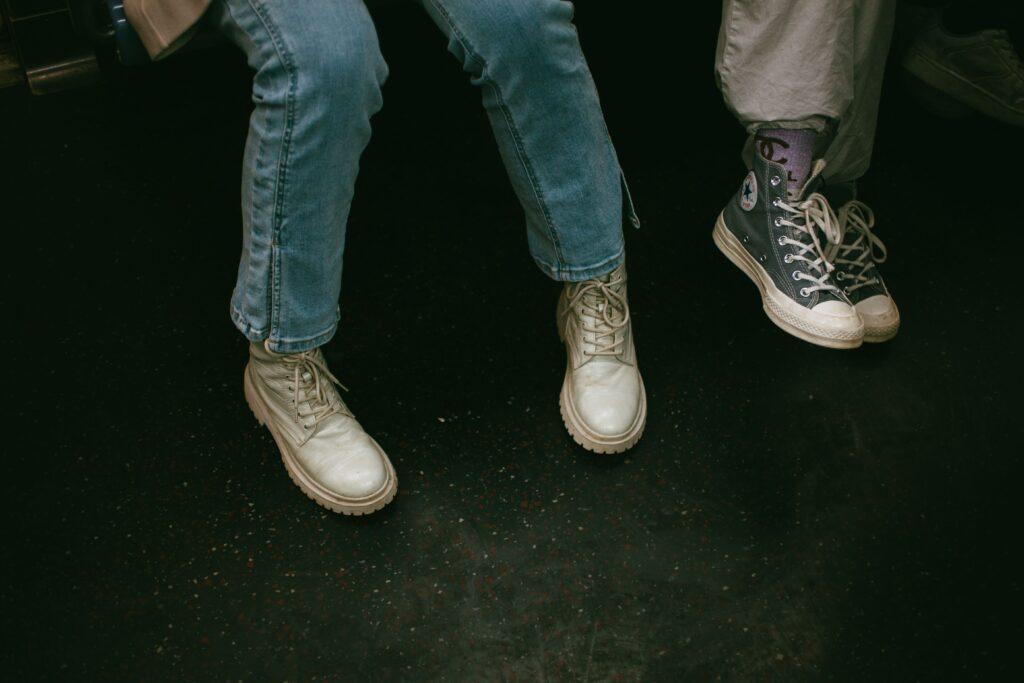
The New York Shoe Dilemma: One Pair Can’t Do Everything
Anyone who’s ever power-walked twenty blocks to a dinner reservation in the wrong shoes understands the fundamental problem with New York style: this city demands more from footwear than almost anywhere else, and pretending one pair can handle both the subway commute and the evening out is how a lot of otherwise great outfits fall apart by 7 p.m.
The solution isn’t complicated, it’s building a small, genuinely purposeful rotation instead of forcing one pair to do a job it was never built for.
The Commute Shoe: Built for Actual Distance
New Yorkers walk more in a single day than most Americans walk in a week, and that reality should drive footwear decisions far more than it typically does. A shoe that looks polished standing still but falls apart after six subway transfers and a mile of sidewalk isn’t actually functional style, it’s a liability disguised as fashion.
New Yorkers who’ve made peace with this reality tend to build their daily rotation around genuinely comfortable, well-constructed options like the everyday styles from BC Footwear, since a shoe designed around real comfort and support handles the actual physical demands of city life without sacrificing the polished look the city also expects.
The Evening Shoe: Built for the Moment, Not the Marathon
The second half of a realistic New York shoe rotation is a genuinely dressier option, reserved for the parts of the day that don’t require distance walking, dinner, a show, a night out where you’re mostly seated or standing rather than covering miles of pavement. This is where a little more style-forward risk-taking makes sense, precisely because the comfort demands are lower.
Building this half of the rotation around versatile, elevated options like the styles from BOC gives New Yorkers a reliable go-to for the moments that call for a more polished, dressed-up look without needing to compromise on some baseline level of wearability either.
The Bag Swap Strategy Most Commuters Already Know
A lot of experienced commuters have already solved this problem the practical way: comfortable shoes for the commute, a dressier pair stashed in a bag or left at the office, swapped right before the evening plans begin. This strategy works because it acknowledges the honest reality of city life instead of pretending a single shoe choice should handle every context in one day.
Why This Matters Beyond Just Comfort
Foot health is a genuinely serious concern for anyone logging the kind of daily mileage New York life requires, and chronic discomfort from ill-suited footwear compounds into real problems over months and years of city living. Treating commute footwear as a health decision, not just a style decision, reframes the priority correctly for anyone walking this much daily.
Building a Realistic Two-Shoe Rotation
Rather than an overwhelming closet full of options, most New Yorkers do best with a focused rotation: one or two genuinely comfortable daily options for actual walking, and one or two dressier options reserved for lower-mileage occasions. This focused approach beats an overstuffed shoe rack that still somehow never has “the right pair” for a given day.
Seasonal Adjustments Worth Planning For
New York weather adds another layer to this rotation, with wet, cold, or icy conditions requiring genuine weather resistance on top of comfort. Building seasonal versions of both the commute and evening categories, rather than assuming one pair works year-round, prevents the common mistake of ruining good shoes in weather they were never designed to handle.
What Visitors Get Wrong About New York Footwear
Out-of-towners visiting the city consistently underestimate the walking demands and end up regretting shoe choices made for how an outfit looks in a mirror rather than how it performs across a full day of sightseeing. Locals who’ve adapted their footwear approach to the city’s actual demands have a real advantage here worth passing along to visiting friends and family.
Where to Actually Store the Second Pair
Practically speaking, the swap strategy only works if the dressier pair is genuinely accessible when needed, in a desk drawer at the office, a compact bag insert, or wherever daily logistics realistically allow, rather than sitting at home doing no good on the evening it’s actually needed. Solving this small logistical detail is often the difference between a strategy that sounds good in theory and one that actually gets used consistently.
Adjusting the Rotation as Your Routine Changes
A shoe rotation that worked for one job or living situation might not fit perfectly once a commute changes or a work-from-home schedule shifts the daily walking demands. Revisiting the rotation periodically, rather than assuming it’s permanently settled, keeps it genuinely aligned with an evolving New York lifestyle rather than a routine built around outdated assumptions.
A Note for Anyone Skeptical of Owning “Too Many” Shoes
It’s worth pushing back gently on the idea that a two-category rotation is somehow excessive. Given how much daily wear New York life puts on footwear specifically, having distinct pairs for distinct purposes isn’t indulgent, it’s simply matching the tool to the job, the same logic anyone would apply to owning both work boots and dress shoes in a less pedestrian-heavy city.
A Last Word for the Newly Arrived
If you’ve just moved to the city and are still figuring out this whole rhythm, give yourself a season to experiment before settling on a permanent rotation. What works for a fellow New Yorker’s commute and lifestyle might not perfectly match yours right away.
One More Practical Tip
Rotate between two pairs within each category rather than wearing the same shoes daily, it extends the life of both and gives materials time to fully dry out and recover between wears.
Bringing It All Together
New York doesn’t really ask you to choose between comfort and style, it asks you to be honest about which shoe serves which purpose. A genuinely comfortable daily pair for the miles the city demands, and a dressier option reserved for lower-mileage moments, solves the dilemma more effectively than any single “do everything” shoe ever could.