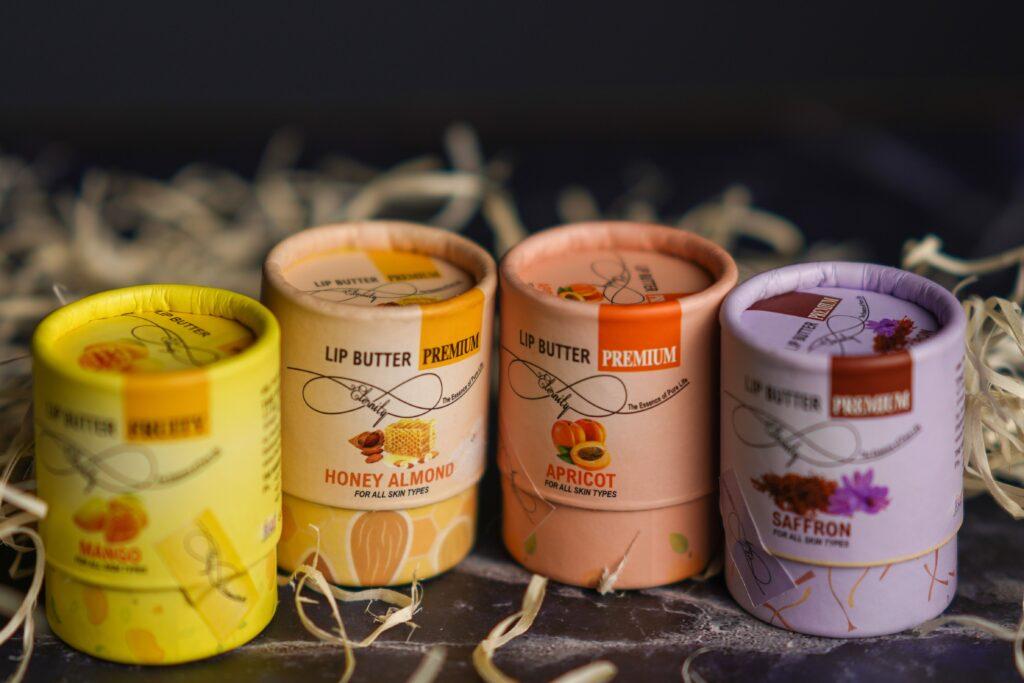
The New Face of Luxury Beauty Packaging: Why Paper Tubes Are Moving Beyond the Lip Balm Aisle
Luxury beauty was once defined by weighty plastic, glossy finishes, and oversized boxes. Today, the category is being reshaped by a different set of signals: thoughtful materials, tactile design, less waste, and packaging that consumers are willing to keep.
Think about the order of operations in a beauty ritual. You see the package before you test the formula. You hold it before you smell the fragrance. You open it before you ever touch the product. Somewhere along the way, a lot of us started photographing that package, propping it on a shelf, keeping the tube long after the balm or serum inside was gone. That habit has quietly rewritten what luxury means in this category. It was never really about how much material a brand used. It’s about whether that material was chosen on purpose.
A format once confined almost entirely to lip balm is now showing up everywhere that shift is visible: the paper tube.
Why Paper Tubes Fit the Modern Beauty Market
Put a cylinder next to a shelf full of rectangular cartons and it stands out immediately, no design trick required. The rounded shape feels substantial in the hand, protects whatever fragile bottle or jar sits inside it, and wraps a full 360 degrees of surface around the brand story instead of the single flat panel a box offers. It also happens to suit the apothecary, minimalist aesthetic a lot of contemporary beauty brands have settled into. Worth separating two things people tend to blur together. Sometimes the beauty formula sits directly inside the tube, pushed up through a mechanism, the way certain solid lip balms and solid perfumes work. Other times the tube is doing something different entirely: protecting and presenting a bottle, a vial, a jar, a lipstick case that would otherwise ship in a flimsy carton. The engineering requirements for those two jobs aren’t remotely the same.
Where the Format Is Already Working
Lip balm was the obvious entry point. A push-up paper tube can replace the twist-up plastic mechanism entirely when it’s engineered well, and the format has been refined enough by now that most consumers don’t notice a functional difference. Lipstick is trickier. A paper tube can work as premium outer packaging around a conventional case, and certain solid-stick formulas can sit inside one directly, but nobody serious in this industry is claiming every twist mechanism translates to paper. It doesn’t.
Solid perfume, on the other hand, is close to an ideal match. It’s portable, applies directly from the tube, and travels without the leak risk of a liquid bottle. Fragrance houses have started using the same construction for rollers and small vials. Bottled perfume takes a different route: a cylindrical canister with a custom-fitted interior holds the glass securely in transit and turns unboxing into something closer to a small event, which is exactly the effect discovery sets and boutique fragrance brands are chasing.
Solid deodorant works too, provided someone actually tests it first. Oil content in the formula, how it behaves under heat, whether the tube wall holds up to repeated use, all of that needs checking before a brand commits. The same caution applies to the growing category of solid sticks: facial balms, sunscreen sticks, highlighter and contour sticks, solid cleansers. Fewer moving parts than a pump or dispenser means fewer things that can fail, but formula compatibility still has to be proven, not assumed.
Skincare bottles and jars usually end up in a tube as secondary packaging, a facial oil or eye cream nestled in a fitted insert with room around it for ingredient details or brand copy. Shampoo bars, hair-treatment sticks, artisan soap, bath salts, aromatherapy blends, even candles sitting just outside the beauty category proper, follow roughly the same logic. A rigid tube protects the object inside and turns the whole thing into something giftable. That’s a large part of why the format shows up so often in spa gift sets, travel kits, and holiday collections. Often enough, the tube outlives the product. It becomes a pen holder or a drawer organizer, which is free advertising nobody had to pay for.
Why the Packaging Matters More Here Than People Admit
Nobody in beauty likes to say the quiet part out loud, but packaging shapes how a formula gets judged before anyone has actually tried it. Shelf presence, perceived value, the ten seconds of unboxing before the product is even used, all of it forms a judgment that happens ahead of the ingredient list. A customer paying premium prices for a fragrance or a serum expects the outside to feel as considered as what’s inside. A flimsy or generic box undercuts an otherwise excellent formula, and in an age where packaging gets photographed and shared as often as the product itself, that first impression now travels further than it used to. It also has to survive a shipping chain that a boutique counter display was never built for.
As demand grows for packaging that reads as both refined and responsible, a handful of manufacturers have built their businesses specifically around solving that problem in paper. Among them, Earthycores produces custom paper tube packaging for beauty, fragrance, skincare, wellness, and other premium consumer products.
The company works both sides of the format: primary tubes for solid products and secondary canisters for luxury goods, with custom sizing, printing, foil stamping, embossing, and matte or gloss finishes, plus fitted inserts for anything fragile. Its beauty line includes plastic-free construction where the formula allows it, recyclable paper-based options depending on how the tube is built, and FSC-certified paper, with production starting from a minimum order of 1,000 pieces, low enough that an independent brand doesn’t need enterprise-level volume to get in the door. Brands can look through , which covers formats for balms, serums, oils, solid sticks, makeup, lipstick, and gift sets.
Where Sustainability Meets Luxury Detail
Responsible materials don’t have to look rustic. Kraft paper suits a botanical brand’s aesthetic, sure, but soft-touch matte finishes read as thoroughly modern on a skincare line, and foil stamping or an embossed logo can give a fragrance tube the same tactile weight buyers expect from glass. Full-color artwork, interior printing, metallic detailing, all of it is available. Paper doesn’t force a brand into looking unfinished.
What actually changes from product to product is structure, not aesthetics. A perfume bottle needs a fitted insert or it rattles in transit. A high-oil balm needs its formula tested against the tube liner before anyone commits to a print run. A heavy glass jar needs thicker walls. A direct-to-consumer mailer needs drop testing a boutique retail box never had to survive. Manufacturers who take this seriously talk openly about matching tube wall thickness, liner material, and push-up mechanism to the specific formula, especially for anything oily or solid, and that level of specificity is usually a decent signal that the finish was chosen on purpose rather than applied the same way to everything on the line.
A Necessary Caveat on Sustainability
Not every paper tube is automatically biodegradable, compostable, or recyclable wherever it happens to ship. The real answer depends on the whole construction: liner, barrier coating, adhesive, closure, insert, decorative laminate. A single-material, fully paper-based tube is generally the easiest to explain honestly to a customer, and depending on local recycling infrastructure, often the easiest to actually process. The brands that hold up under scrutiny don’t treat the word paper as a complete environmental claim on its own. They look at the body, the lining, the adhesive, the closure, the printing, and the end-of-life route as one connected system, and they ask their manufacturer for documentation instead of taking the material for granted.
What Beauty Brands Should Ask Before Choosing a Paper Tube
A short list tends to separate a considered decision from a rushed one.
- Is the tube primary packaging or protective outer packaging?
- Has the structure been tested with the actual formula?
- Does the bottle, jar, or vial require a custom insert?
- Which coatings, barriers, and decorative finishes are included?
- What recycling or disposal instructions can the brand honestly give its customers?
A Ritual Worth Reconsidering
The next phase of luxury beauty packaging probably won’t come from heavier components or more elaborate layers. It’s more likely to come from materials chosen with real intent, structures built to be kept rather than tossed, packaging that tells the same story as whatever’s inside it. From a lip balm to a fine fragrance launch, manufacturers like Earthycores are giving brands a way to make that decision feel deliberate instead of like a compromise, one formula and one finish at a time.