The Financial and Operational Impact of Failed Product Returns
Returns rarely tell the full story behind a product’s journey. Many items travel back through complex channels before reaching a warehouse. This path creates gaps where oversight becomes limited and risk increases. Retailers often assume returned goods are intact and ready for resale. That assumption can quietly introduce costly vulnerabilities into operations. A closer look reveals how small breaches can ripple across entire supply chains.
Reverse logistics shapes customer trust more than most realize. Every returned package carries both value and uncertainty. Teams must balance speed with careful inspection under constant pressure. Weak verification processes allow compromised items to reenter circulation. This issue affects not only profit margins but also brand credibility. Understanding these risks sets the stage for stronger control measures.
Where Returns Begin to Break Down
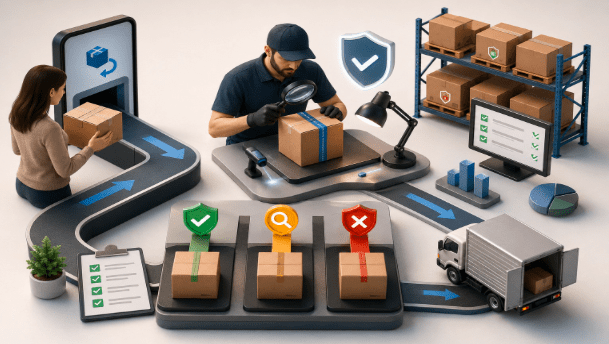
The first breakdown often occurs during initial inspection at return centers. Staff must process large volumes within tight timeframes, which increases error rates. Many packages arrive looking intact despite prior interference. Visual checks alone fail to reveal subtle manipulation. A tamper seal can indicate interference, yet it is often overlooked during rushed handling. This gap allows altered goods to move deeper into inventory systems. Consequently, compromised items blend with legitimate stock unnoticed. Such oversights create long term operational risks.
Furthermore, inconsistent procedures amplify these vulnerabilities across facilities. Some teams rely on subjective judgment rather than standardized protocols. This inconsistency leads to uneven quality control across different locations. Even trained staff can miss signs when guidelines lack clarity. Structured verification steps improve detection but require investment and discipline. Clear documentation also ensures accountability during each inspection stage. Without these measures, errors compound quickly across the network. Stronger processes create a reliable first line of defense.
The Role of Packaging Integrity
Packaging plays a central role in identifying compromised goods during returns. It serves as both a protective barrier and a communication tool. Security labels provide visible cues that help staff assess product condition quickly. However, their effectiveness depends on proper application and understanding. Poor placement or design reduces their ability to signal interference. When staff misinterpret these cues, flawed products pass through inspection. This creates downstream issues in resale and customer satisfaction. Strong packaging design supports faster and more accurate decisions.
In addition, packaging integrity influences how consumers perceive returned items. Customers expect products to arrive in reliable and untouched condition. Any sign of prior use or interference reduces confidence immediately. Clear labeling systems help communicate authenticity and safety. These systems also assist warehouse teams in maintaining consistency. When packaging fails to convey trust, customer complaints increase. This places additional strain on support teams and logistics operations. Better packaging practices strengthen both internal processes and external perception.
Detecting Subtle Forms of Tampering
Not all interference leaves obvious signs, which complicates detection efforts. Skilled fraud attempts often mimic original packaging conditions. Security seals act as indicators when products have been accessed or altered. However, their effectiveness depends on proper training and awareness among staff. Without attention to detail, subtle changes go unnoticed during inspections. This allows fraudulent returns to pass through quality checks undetected. Such incidents increase the likelihood of defective products reaching new customers. Detection requires both tools and informed observation.
Moreover, teams must develop a mindset focused on identifying anomalies. Small inconsistencies often signal larger issues within returned goods. Training programs can sharpen attention to these subtle details. Regular audits also help reinforce consistent evaluation practices. When teams understand the risks, they become more proactive in detection. This shift reduces reliance on chance and improves accuracy. Strengthening awareness enhances overall operational resilience. Effective detection protects both inventory value and customer trust.
Strengthening Reverse Logistics Systems
Improving reverse logistics requires a balance between efficiency and control. Many operations prioritize speed to meet customer expectations for refunds. This focus can unintentionally weaken verification processes. Structured workflows help maintain consistency without slowing operations significantly. Technology also supports better tracking and documentation of returns. Digital systems create visibility across each stage of the process. This reduces uncertainty and improves decision making. Strong systems ensure that compromised items are identified early.
Additionally, collaboration between departments enhances overall effectiveness. Logistics teams, customer service, and quality control must share insights regularly. This exchange helps identify recurring issues and refine processes. Data analysis reveals patterns in return fraud and product failures. These insights guide improvements in both packaging and inspection methods. Continuous evaluation keeps systems responsive to emerging risks. A unified approach strengthens the entire return ecosystem. This leads to more reliable outcomes for both businesses and customers.
Training Teams for Consistent Evaluation
Operational consistency depends heavily on how well teams are trained. Employees must understand not only procedures but also the reasoning behind them. Clear instruction improves judgment during high volume processing periods. Without proper training, even the best systems fail to deliver accurate results. Teams that recognize warning signs act faster and more confidently. This reduces hesitation and improves overall efficiency in return handling. Continuous education keeps staff aligned with evolving risks and techniques. Strong training programs build a culture of accountability and precision.
Moreover, regular refresh sessions reinforce important practices across departments. These sessions provide opportunities to address recurring mistakes and clarify expectations. Supervisors play a key role in guiding teams through complex inspection scenarios. Feedback loops also help identify gaps in knowledge and performance. When employees feel supported, they become more engaged in maintaining standards. This engagement leads to better outcomes across the entire operation. Consistent evaluation strengthens both process reliability and team confidence. A well trained workforce forms the backbone of effective reverse logistics.
Wrap Up
Reverse logistics reveals challenges that often remain hidden from public view. Each returned item carries potential risks that require careful evaluation. Weak processes allow compromised goods to move through systems unnoticed. This creates financial losses and damages customer trust. Stronger inspection methods reduce these risks significantly. Clear procedures support consistent decision making across teams. Awareness also plays a key role in identifying subtle issues. A proactive approach strengthens operational stability.
At the same time, improving these systems requires ongoing commitment. Organizations must invest in training and process refinement regularly. Consistency across locations ensures that standards remain effective. Communication between teams supports faster problem resolution. Data driven insights help identify patterns and prevent recurring issues. This continuous improvement mindset builds long term resilience. Reliable return systems protect both revenue and reputation. Careful attention to detail turns a weak point into a strategic advantage.