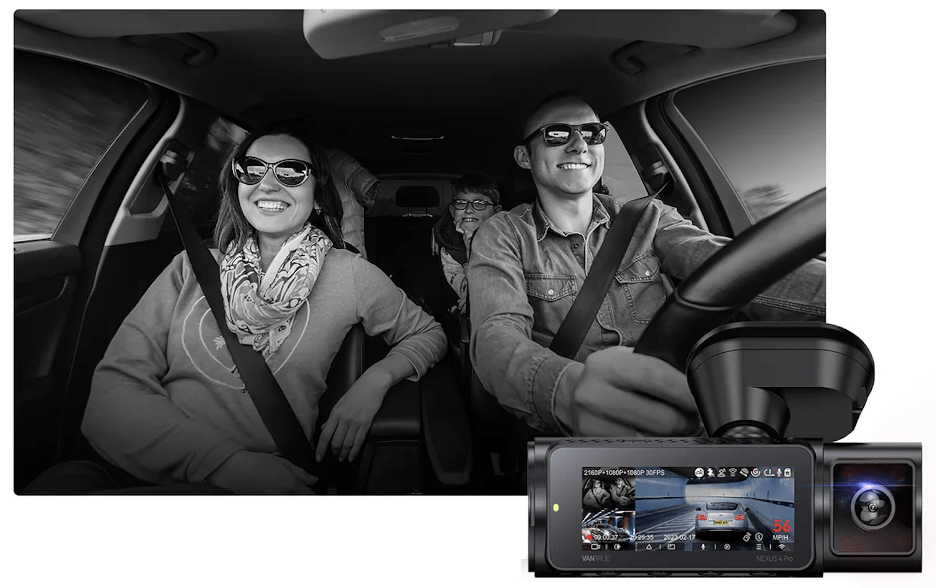
The Evolution of Dash Cams: From 1080p to 4K and Beyond
If you have ever wished for clear, reliable evidence during an unexpected moment on the road, you are not alone. Many drivers rely on dash cams for peace of mind, yet not all cameras deliver the clarity needed when it matters most. Older models often produced blurry footage, making it difficult to capture important details like license plates or road signs.
This is where the evolution of the 4K dash cam becomes important. Over time, dash cams have transformed from basic recording devices into advanced safety tools equipped with high-resolution video, intelligent features, and seamless connectivity. Understanding how this technology has progressed can help you make better decisions about your own driving safety and awareness.
Pain Points Drivers Face with Dash Cams
Before exploring the evolution, it helps to understand the common challenges drivers face:
- Low-quality footage that fails to capture critical details
- Limited storage and battery life, leading to missed recordings
- Lack of smart features, such as alerts or automation
These issues pushed manufacturers to innovate, leading to the advanced dash cams available today.
The Early Days of Dash Cams: Basic and Functional
Limited Resolution and Features
Early dash cams were designed with one main goal: to record video while driving. Most devices offered 720p or 1080p resolution, which was considered sufficient at the time. However, these cameras struggled in real-world conditions.
Common limitations included:
- Grainy footage, especially at night
- Poor dynamic range in bright or dark environments
- Narrow field of view
Storage Constraints
Memory cards were smaller and more expensive, which meant recordings were often overwritten quickly. You might have lost important footage simply because the camera ran out of space.
Why It Still Mattered
Despite these limitations, early dash cams played an important role in:
- Providing basic evidence in accidents
- Encouraging safer driving behavior
- Introducing the concept of in-car video monitoring
The Shift to High Definition: The Rise of 1080p
Improved Clarity
As technology advanced, 1080p resolution became the new standard. This marked a major step forward in video quality. You could now capture:
- Clearer license plates
- Better road detail
- Improved daytime visibility
Wider Adoption
Dash cams became more affordable and accessible. More drivers began using them for:
- Insurance claims
- Road trip recording
- Personal security
Still Not Perfect
Even with 1080p, challenges remained:
- Night footage often lacked detail
- Fast-moving objects could appear blurred
- Extreme lighting conditions affected clarity
These gaps led to the next major leap in dash cam technology.
Enter the 4K Dash Cam: A Game-Changer
What Makes 4K Different?
A 4K dash cam offers four times the resolution of 1080p. This means sharper, more detailed footage that can capture even the smallest elements on the road.
Key advantages include:
- Ultra-clear video quality for precise detail
- Better zoom capability without losing clarity
- Enhanced night performance with improved sensors
Real-World Benefits
With 4K technology, you can:
- Read license plates from a greater distance
- Capture clearer evidence in accidents
- Record scenic drives in stunning detail
Comparison Table: 1080p vs 4K Dash Cam
| Feature | 1080p Dash Cam | 4K Dash Cam |
| Resolution | 1920 x 1080 | 3840 x 2160 |
| Detail Level | Moderate | Very High |
| Night Performance | Average | Improved |
| Storage Requirement | Lower | Higher |
| Evidence Clarity | Limited | Highly Reliable |
Smart Features Transforming Dash Cams
Resolution is only part of the story. Modern dash cams now include intelligent features that enhance both safety and convenience.
Advanced Driver Assistance
Many newer models offer:
- Lane departure warnings
- Forward collision alerts
- Real-time driving assistance
These features help you stay alert and avoid potential hazards.
GPS and Tracking
Built-in GPS allows you to:
- Track your location and speed
- Review routes after trips
- Add context to recorded footage
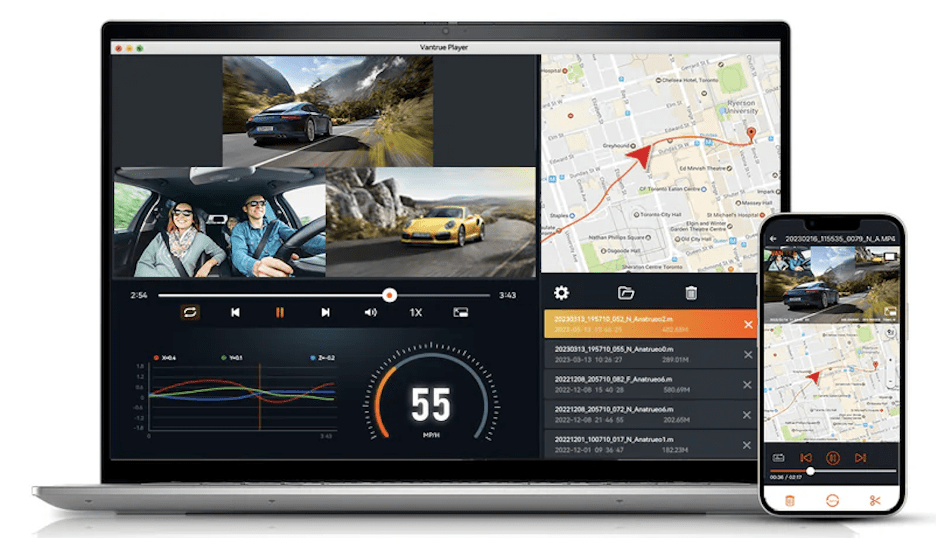
Wi-Fi and Mobile Integration
You can now connect your dash cam to your smartphone to:
- View recordings instantly
- Download and share videos
- Adjust settings without removing the device
Loop Recording and Emergency Lock
Modern systems ensure you never miss important footage:
- Loop recording automatically overwrites old files
- Emergency lock protects critical clips from deletion
Storage and Efficiency Improvements
Smarter Data Management
As video quality increased, so did file sizes. To address this, manufacturers introduced:
- Advanced compression technologies
- Support for larger memory cards
- Cloud storage integration
Power Efficiency
Newer dash cams are designed to:
- Use less power while recording
- Operate efficiently in parking mode
- Reduce battery drain
Practical Tips for Choosing the Right Dash Cam
If you are considering upgrading, here are some practical tips:
Focus on What Matters Most
Ask yourself:
- Do you need ultra-clear footage for evidence?
- Will you use the camera during night driving?
- Do you want smart features like alerts and GPS?
Key Features to Look For
- 4K resolution for maximum clarity
- Wide-angle lens for broader coverage
- Reliable night vision
- Easy-to-use mobile app
Avoid Common Mistakes
- Choosing based only on price
- Ignoring storage requirements
- Overlooking installation ease
The Future of Dash Cam Technology
AI Integration
Artificial intelligence is shaping the next generation of dash cams. Future features may include:
- Real-time hazard detection
- Driver behavior analysis
- Automated incident reporting
Cloud Connectivity
Cloud-based systems will allow you to:
- Access footage from anywhere
- Store videos securely online
- Receive instant alerts
Higher Resolutions and Beyond
While 4K is currently leading, future advancements may include:
- 8K recording capabilities
- Enhanced HDR imaging
- Improved low-light performance
Conclusion
The journey from basic recording devices to advanced 4K systems highlights how far dash cam technology has come. What started as a simple tool for capturing footage has evolved into a powerful safety companion equipped with intelligent features and exceptional clarity.
As a driver, you now have access to tools that not only document your journeys but also help prevent accidents and provide reliable evidence when needed. By understanding these advancements, you can make informed decisions and choose a dash cam that truly meets your needs. Investing in the right technology today means driving with greater confidence tomorrow.