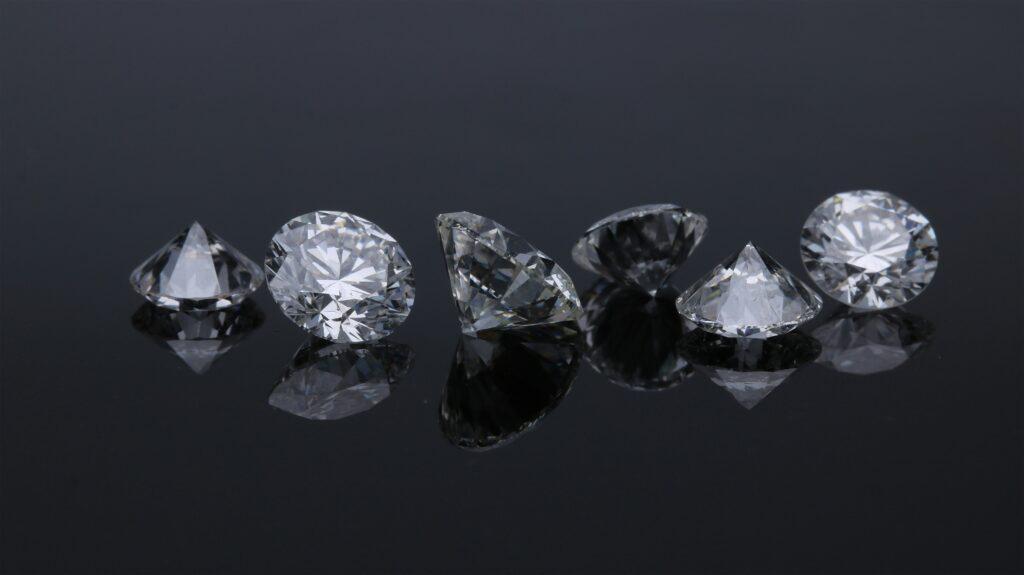
Demystifying the Sparkle: Why Lab-Grown Diamonds Are 100% “Real”
A lot of people still hesitate when they hear the phrase lab-grown diamond, the hesitation usually comes from one assumption: if it’s made in a lab, it must be fake.
That’s where the misunderstanding starts. The word “lab” only describes where the diamond was formed, not what it is. That distinction matters because the stone itself is still a diamond in every material sense. It isn’t glass, cubic zirconia, or any other lookalike. It’s carbon arranged in the same crystal structure as a mined diamond.
Once people understand that, the conversation usually changes. Let’s take a look at why lab-grown diamonds are, in fact, 100% real. Read on to learn more.
What Makes a Lab-Grown Diamond a Real Diamond?
When buyers begin researching a lab grown diamond company, this is usually the first question that comes up.
What actually makes it real? The answer comes down to composition and structure, a diamond is made of carbon atoms bonded in a specific crystalline form, that exact structure is what gives the stone its hardness, brilliance, and light performance.
Lab-grown diamonds have the same internal structure. That means they behave the same way under normal wear, respond to light in the same way, and carry the same physical durability.
At Best Brilliance, this is often the point where buyers stop thinking in terms of “real versus fake” and begin thinking about origin instead.
Why It’s Different From a Simulant
A lot of confusion comes from people mixing up lab-grown diamonds with simulants, those are not the same thing. A simulant is simply designed to resemble a diamond visually, cubic zirconia and moissanite fall into that category, lab-grown diamonds do not.
They are actual diamonds formed in a controlled environment. That difference affects everything from hardness to how the stone handles light.
Best Brilliance finds that once this distinction is clear, the fake diamond myth starts to fall away.
How They’re Created
The science behind it sounds more technical than it needs to be.
The two common methods are HPHT and CVD. HPHT recreates the extreme heat and pressure conditions associated with natural diamond formation. CVD builds the crystal layer by layer using carbon-rich gas inside a controlled chamber.
Different process, same end result: a genuine diamond crystal. The finished stone has the same material properties buyers associate with mined diamonds, which is why it performs the same way in daily wear.
Why Experts Can’t Tell by Sight Alone
This is one of the most reassuring points for buyers. Even trained gemologists often cannot determine origin just by looking at the stone. Specialized equipment is usually required. They may need tools that detect subtle growth patterns, fluorescence behavior, or trace characteristics left behind during the formation process.
That alone helps many buyers understand how real these stones are. At Best Brilliance, this part often gives people the confidence they need because it moves the discussion away from assumptions and into gemological fact.
Quick Comparison Table
Check out this comparison table for an overview of the similarities between lab-grown diamonds and mined diamonds.
| Feature | Lab-Grown Diamond | Mined Diamond |
| Material | Carbon crystal | Carbon crystal |
| Hardness | 10 Mohs | 10 Mohs |
| Brilliance | Same optical behavior | Same optical behavior |
| Daily Wear | Same durability | Same durability |
| Visual Identification | Requires equipment | Requires equipment |
Why the “Fake” Myth Still Exists
A lot of it comes down to language. People hear “lab-created” and instinctively place it in the same mental category as imitation.
That’s understandable, but inaccurate. The term only describes how the crystal formed. It does not describe an inferior material. Once that idea clicks, most of the confusion disappears.
What the Certificate Will Tell You
A grading certificate will clearly state whether the diamond is lab-grown. This is an origin note, not a quality judgment. The report still includes the same grading factors buyers are used to: cut, clarity, color, and carat weight.
Best Brilliance encourages buyers to read that report carefully because it gives a very clear picture of what the stone is and exactly what they’re paying for.
Final Thoughts
Lab-grown diamonds are real diamonds, the chemistry, structure, hardness, and optical performance all align with mined diamonds, the only real distinction is where the crystal formed.
Best Brilliance focuses on helping buyers understand that origin and authenticity are separate ideas. Once the science is clear, the “fake” label usually stops making sense.
FAQs
Are lab-grown diamonds real diamonds?
Yes. They are genuine diamonds with the same carbon crystal structure as mined stones.
Can a jeweler tell the difference by eye?
Usually not. Specialized equipment is often needed.
Do they sparkle the same way?
Yes. Their optical properties are the same.
Are they as durable?
Yes. They have the same hardness rating as mined diamonds.
Will the certificate identify origin?
Yes. The report clearly states that the diamond is lab-grown.