The Complete Guide to Deep Cleaning for a Fresher, Healthier, and More Comfortable Space
Keeping a property clean is an important part of maintaining a comfortable and welcoming environment. Regular cleaning usually takes care of everyday tasks such as vacuuming, dusting, wiping countertops, washing floors, cleaning bathrooms, and removing household waste. However, certain areas can gradually collect dust, grease, stains, hair, food particles, and other debris that routine cleaning may not completely remove. This is where deep cleaning becomes especially valuable because it focuses on areas that are often overlooked during normal maintenance. A detailed cleaning process can be useful before moving into a new property, after renovations, before an important event, during seasonal maintenance, or simply when a space needs a complete refresh. Unlike quick surface cleaning, it requires additional time, planning, and attention to detail. Walls, baseboards, vents, light fixtures, cabinet interiors, appliances, furniture, windows, corners, and hard-to-reach areas may all require attention. The process becomes much easier when it is divided into manageable stages rather than attempting to clean everything at once. With the right plan, suitable tools, and consistent methods, homeowners can improve the appearance and condition of their property while creating a cleaner and more pleasant environment.
Understanding the Purpose of Detailed Cleaning
Routine cleaning is designed to maintain a property between more comprehensive cleaning sessions, while deep cleaning focuses on accumulated dirt and neglected areas that may not receive regular attention. Everyday maintenance may involve wiping commonly used surfaces, cleaning floors, emptying trash, and maintaining bathrooms and kitchens. Over time, however, dust can settle behind furniture, grease can collect on cabinet surfaces, and debris can accumulate in corners, vents, window tracks, and other difficult areas. A comprehensive cleaning session addresses these locations systematically. The goal is not simply to make a room look tidy but to remove buildup that has developed over an extended period. A useful approach is to start with high surfaces and work downward so that dust falling from upper areas can be removed later. Furniture can be moved carefully when practical, and removable items can be cleaned separately. Different materials should be treated according to their specific care requirements. Understanding the difference between routine maintenance and detailed cleaning allows property owners to decide when additional effort is necessary and how to organize the process efficiently.
Creating an Effective Cleaning Checklist
A successful deep cleaning project should begin with a detailed checklist that covers every major room and commonly overlooked area. Without a plan, it is easy to spend too much time on one task while forgetting important locations elsewhere in the property. Start by walking through the space and noting areas that require special attention. Kitchens, bathrooms, bedrooms, living areas, storage rooms, entrances, windows, appliances, cabinets, and utility spaces can all be included. Cleaning supplies should be gathered before work begins to avoid unnecessary interruptions. Depending on the surfaces being cleaned, useful equipment may include microfiber cloths, brushes, vacuum attachments, buckets, mops, appropriate cleaning products, gloves, and other basic tools. It is important to read product instructions before using cleaners, particularly on delicate surfaces. A room-by-room checklist also makes it easier to track progress and identify unfinished tasks. Working systematically reduces repetition and prevents important areas from being forgotten. A detailed checklist turns a large project into smaller tasks that can be completed in an organized and efficient manner.
Removing Dust From Hard-to-Reach Areas
Dust can accumulate in places that are rarely addressed during ordinary cleaning. Ceiling fans, light fixtures, vents, shelves, picture frames, door tops, baseboards, and spaces behind furniture can all collect significant amounts of dust. During deep cleaning, these areas should be addressed carefully using suitable tools that will not damage surfaces. Soft brushes and vacuum attachments can be useful for corners and narrow spaces, while microfiber cloths can collect dust from many suitable surfaces. High areas should generally be cleaned before lower areas because falling dust can otherwise create additional work. Vents and registers should be handled according to their design and any relevant manufacturer recommendations. Furniture should only be moved when it can be done safely without causing injury or damaging floors. Dust should be collected rather than simply pushed into another area where it can settle again. Particular attention should be given to decorative objects and areas around fixtures because these can easily become overlooked. Removing accumulated dust from these locations can make rooms feel noticeably fresher and can improve the overall appearance of the property.
Giving the Kitchen Extra Attention
The kitchen is one of the most heavily used areas of a property and often requires additional cleaning because cooking creates grease, food residue, spills, and moisture. A deep cleaning routine for the kitchen should address countertops, backsplashes, cabinet doors, shelves, sinks, faucets, appliances, floors, and other frequently used surfaces. Cabinet interiors may collect crumbs and dust, especially around corners and shelf edges. Refrigerators can require attention to drawers, shelves, seals, and hidden spills, while ovens and cooking surfaces should be cleaned using products suitable for their materials. Grease should be removed carefully because abrasive tools or unsuitable chemicals can damage certain finishes. Sinks and faucets should be cleaned around edges and fixtures where residue may accumulate. Small appliances can also collect food particles around buttons, handles, and openings. Floors should generally be cleaned after higher surfaces and appliances so that falling debris does not create additional work. A properly maintained kitchen can feel significantly more comfortable and hygienic because it is an area where food is prepared and where household members often spend considerable time.
Refreshing Bathrooms and Wet Areas
Bathrooms are exposed to moisture, soap residue, mineral deposits, hair, and other types of buildup. A thorough deep cleaning process can focus on sinks, faucets, countertops, mirrors, toilets, showers, tubs, tiles, floors, cabinets, and storage areas. Grout lines may require particular attention because dirt can become embedded in textured surfaces. Cleaning products should always be selected according to the materials being treated, and product instructions should be followed carefully. Shower doors and glass may require suitable products designed to remove residue without scratching or damaging the finish. Exhaust vents can also collect dust and should be addressed according to their construction. Cabinets and drawers can be emptied so their interiors can be cleaned rather than simply wiping around stored items. Towels and bath mats should be washed according to their care instructions. Areas behind fixtures and along floor edges should also be checked because these locations can be overlooked during routine maintenance. A detailed bathroom cleaning process can restore the appearance of frequently used surfaces and create a more comfortable and well-maintained environment.
Taking Care of Floors and Carpets
Floors receive constant traffic and can collect dirt, dust, hair, food particles, and other debris. During deep cleaning, flooring should be treated according to its specific material. Hardwood, laminate, vinyl, tile, stone, and carpet all have different care requirements, so the wrong product or excessive moisture may cause damage. Vacuuming should reach corners, edges, and areas underneath furniture whenever practical. Hard floors should generally be vacuumed or swept before mopping so loose particles do not spread across the surface. Carpets may benefit from detailed vacuuming in different directions to help remove embedded debris. Rugs should be cleaned according to their material and manufacturer recommendations. Baseboards and floor edges should not be overlooked because these areas often collect dust even when the center of the floor looks clean. Furniture can be moved carefully when appropriate so that hidden areas are not ignored. Proper floor maintenance improves the appearance of a room because clean floors create an immediate sense of freshness. Regular care also helps reduce the amount of buildup that needs to be removed during future detailed cleaning sessions.
Cleaning Windows and Glass Surfaces
Windows can collect fingerprints, dust, water marks, and environmental residue, while frames, tracks, and sills can accumulate additional debris. During deep cleaning, attention should be given not only to the glass but also to the surrounding components. Window tracks may require a narrow brush or vacuum attachment to remove particles from difficult spaces. Glass should be cleaned using appropriate products and materials that reduce streaks without scratching the surface. Screens should be handled carefully because excessive pressure can damage them. Curtains, blinds, and other window treatments can also collect dust and may need cleaning according to their material and care instructions. Sills and surrounding trim should be wiped after loose debris has been removed. If windows are located in difficult or elevated positions, homeowners should avoid unsafe climbing or reaching methods. Safety should always take priority over cleaning convenience. Well-maintained windows can improve the appearance of an entire room because they allow more natural light into the space and create a cleaner visual connection between the interior and exterior.
Cleaning Furniture and Upholstery
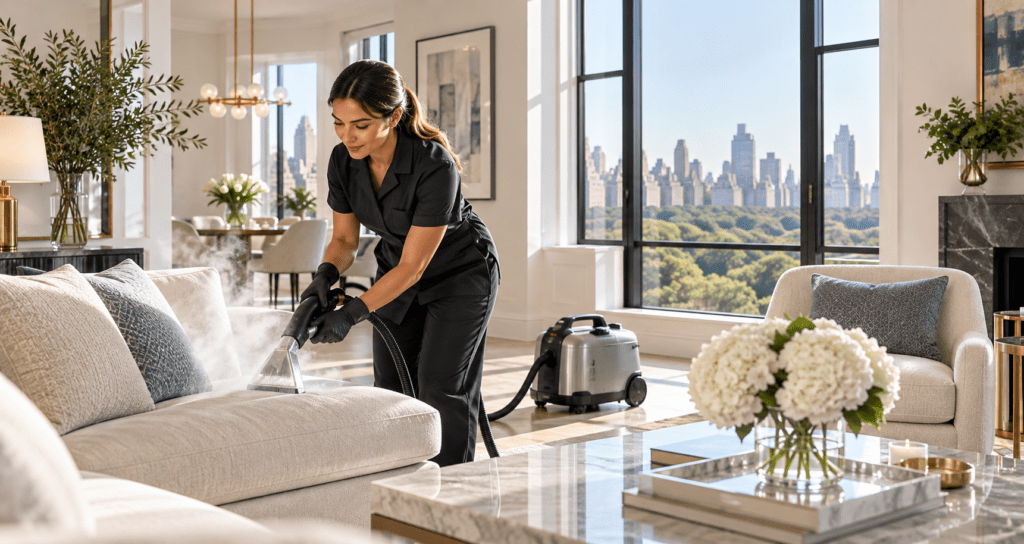
Furniture can collect dust, crumbs, pet hair, and other debris in areas that are not immediately visible. A deep cleaning session should include sofas, chairs, cushions, mattresses, headboards, and other fabric-covered items when appropriate. Cushions can often be removed so the surfaces beneath them can be vacuumed and cleaned. Upholstery materials vary considerably, so homeowners should follow care labels and manufacturer recommendations before applying cleaning products. Leather, microfiber, cotton, synthetic fabrics, and other materials may require different methods. Wooden furniture can also collect dust around joints, edges, decorative details, and inside drawers. Furniture legs and spaces underneath larger pieces should be checked when they can be accessed safely. Mattresses can receive appropriate vacuuming and care, while curtains and washable fabrics should be cleaned according to their specific instructions. Giving furniture attention can make a noticeable difference because these items occupy large areas and are frequently used. Proper maintenance can also help preserve the appearance and useful life of furniture.
Organizing Bedrooms and Sleeping Areas
Bedrooms can accumulate dust, hair, fabric fibers, and other particles through everyday use. Bedding should be washed regularly according to care instructions, while mattresses and pillows should receive suitable maintenance. During deep cleaning, attention should also be given to areas beneath beds, behind furniture, inside drawers, around lamps, and along baseboards. Closets can accumulate lint and dust, particularly on shelves and floors. Removing unnecessary belongings before cleaning can make the process more efficient because there are fewer objects to move and clean around. Bed frames and headboards should be dusted or cleaned according to their materials. Windows, curtains, ceiling fans, and vents can also be included in the checklist. A well-maintained bedroom can feel more comfortable and organized. Storage should be arranged so that surfaces remain accessible for future maintenance. Regularly addressing neglected areas can reduce the amount of dust that accumulates between comprehensive cleaning sessions and make routine maintenance easier.
Cleaning Closets, Cabinets, and Storage Areas
Storage areas are frequently overlooked because their contents can hide dust and debris. Closets, cabinets, pantries, utility rooms, garages, and shelves may all require periodic attention. During deep cleaning, items can be temporarily removed so that shelves, corners, floors, and walls can be properly cleaned. Unnecessary belongings can also be separated from items that need to remain, helping reduce clutter. Food storage areas should be checked for expired products, spills, crumbs, and damaged packaging. Clothing storage spaces can collect lint and dust, especially around shelves and floor edges. Utility areas require additional caution because they may contain electrical components, equipment, or substances that should not be disturbed without proper knowledge. After cleaning, belongings should be returned in an organized way so that future maintenance is easier. A well-organized storage area can also make it easier to identify leaks, pests, moisture problems, or damaged items before they become more serious. Keeping these spaces clean supports the overall condition of the property.
Paying Attention to High-Touch Surfaces
High-touch areas receive frequent contact and can collect oils, fingerprints, residue, and everyday grime. Door handles, cabinet pulls, light switches, remote controls, appliance handles, faucets, railings, and frequently used controls should be included in a detailed cleaning checklist. During deep cleaning, these surfaces can receive additional attention after the appropriate cleaning method has been identified. Electronic devices should never be saturated with liquid, and manufacturer instructions should be followed whenever possible. Some surfaces may require a lightly dampened microfiber cloth, while others may tolerate suitable cleaning solutions. Cleaning these areas regularly improves the overall feeling of cleanliness because they are among the surfaces people interact with most often. A room can appear clean while still having neglected handles, switches, and controls. Including these details in both routine and comprehensive cleaning schedules creates a more consistent result. A checklist is particularly useful because high-touch areas are easy to forget when cleaning an entire property.
Managing Unpleasant Odors
Unpleasant odors may develop from food residue, moisture, waste, fabrics, drains, pets, or inadequate ventilation. Effective deep cleaning should focus on identifying the source rather than simply covering an odor with fragrance. Carpets, upholstery, trash containers, refrigerators, drains, fabrics, and other odor-collecting areas should be checked when a persistent smell is present. Food waste should be removed promptly, while washable fabrics should be cleaned according to their care instructions. Proper ventilation can help reduce stale air and moisture in appropriate areas. Air fresheners may provide temporary fragrance but cannot replace the removal of the underlying source. If an odor appears to be associated with a leak, persistent dampness, mold-like growth, damaged materials, or another potentially serious condition, the underlying problem should be investigated. Cleaning should not be used to conceal a property issue that requires repair. A fresh environment is generally achieved through proper cleaning, source removal, ventilation, and regular maintenance rather than through fragrance alone.
Cleaning After Renovations and Repairs
Renovation work can create considerable amounts of fine dust and debris that spread beyond the immediate work area. After construction or repairs, deep cleaning may be necessary to remove particles from floors, walls, windows, cabinets, fixtures, furniture, and other surfaces. Larger debris should be removed safely before detailed surface cleaning begins. Equipment suitable for fine dust can be useful, while newly installed surfaces should be treated according to their materials and care requirements. Windows and frames may require repeated attention because construction dust can settle inside tracks and corners. Cabinets and fixtures should be cleaned carefully to protect new finishes. Floors may require more than one cleaning pass because fine particles can continue to appear after the first round of work. Ventilation components should be handled according to their specific requirements rather than cleaned with unsuitable methods. Post-renovation cleaning should remove construction residue while protecting the newly completed work. A careful process can make the renovated property feel finished and ready for normal use.
Using Cleaning Products Correctly
Cleaning products can provide excellent results when they are selected and used correctly. During deep cleaning, homeowners may use several different products, but each one should be appropriate for the surface being treated. Product labels should always be read before use, particularly when concentrated solutions are involved. Different cleaning products should never be mixed unless the manufacturer specifically confirms that they are compatible. Some combinations can create dangerous fumes or chemical reactions. Gloves and ventilation may be appropriate depending on the product and task. Delicate surfaces should be tested in an inconspicuous area when there is uncertainty about how a cleaner will react. Natural stone, wood, painted surfaces, metals, glass, fabrics, and plastics can all have different cleaning requirements. Using excessive amounts of product does not necessarily improve results and may leave residue behind. Following recommended dilution and application instructions protects surfaces and improves effectiveness. Safe product use is an essential part of responsible cleaning and should never be overlooked simply because the goal is to achieve faster results.
Establishing a Regular Cleaning Schedule
A thorough cleaning session is easier to maintain when supported by a regular cleaning routine. Daily and weekly tasks can prevent heavy buildup and reduce the amount of effort required during future detailed sessions. Kitchens, bathrooms, floors, high-touch surfaces, and frequently used areas should receive appropriate regular attention. Seasonal cleaning can address windows, vents, storage spaces, ceiling fixtures, outdoor areas, and other locations that require less frequent maintenance. A written schedule can distribute tasks throughout the month rather than allowing everything to accumulate. Decluttering regularly also makes cleaning easier because fewer objects need to be moved and maintained. Household members can share responsibilities according to their schedules and abilities. Commercial spaces can similarly benefit from documented cleaning procedures and assigned responsibilities. Consistency is important because neglected areas often require significantly more time and effort later. A balanced schedule keeps the property presentable between larger cleaning sessions and helps preserve the results of previous work.
When Professional Cleaning Is Worth Considering
Some properties require more time and equipment than homeowners can reasonably provide themselves. Large homes, commercial spaces, recently renovated properties, vacant buildings, or areas with significant accumulated dirt may benefit from professional cleaning services. Professionals may have specialized equipment, experience with difficult surfaces, and established procedures for handling larger projects. Before hiring a service, property owners should explain which rooms and areas require attention and clarify what tasks are included. It is also useful to ask about the products and methods that will be used, especially when delicate materials are present. Pricing should be understood clearly so that there are fewer surprises after the work is completed. Professional cleaners should also follow appropriate safety practices and handle cleaning products responsibly. Hiring experienced help can save time when the workload is particularly large or demanding. However, regular maintenance remains important after the service is completed. Professional cleaning works best as part of a broader maintenance strategy rather than as a substitute for everyday care.
Conclusion
Maintaining a property requires more than occasional surface cleaning because dust, grease, residue, and debris can gradually accumulate in overlooked areas. A well-planned deep cleaning process provides an opportunity to address those neglected spaces and refresh the overall environment. Kitchens, bathrooms, floors, windows, furniture, bedrooms, storage areas, high-touch surfaces, and post-renovation areas can all benefit from appropriate attention. The process becomes more effective when homeowners use a room-by-room checklist, select suitable tools, follow product instructions, and work systematically from higher surfaces toward lower ones. Safety should remain a priority, particularly when using cleaning chemicals or reaching difficult areas. Regular maintenance after a detailed cleaning session can prevent excessive buildup and reduce the amount of effort required in the future. Professional assistance may also be useful for larger or more demanding properties where specialized equipment and experience can improve efficiency. Ultimately, deep cleaning is about more than creating a temporary visual improvement. It involves addressing neglected areas, protecting surfaces, improving organization, removing accumulated dirt, and creating a cleaner and more comfortable environment. With consistent maintenance and careful attention to detail, property owners can preserve the results and enjoy a fresher, better-maintained space for longer.