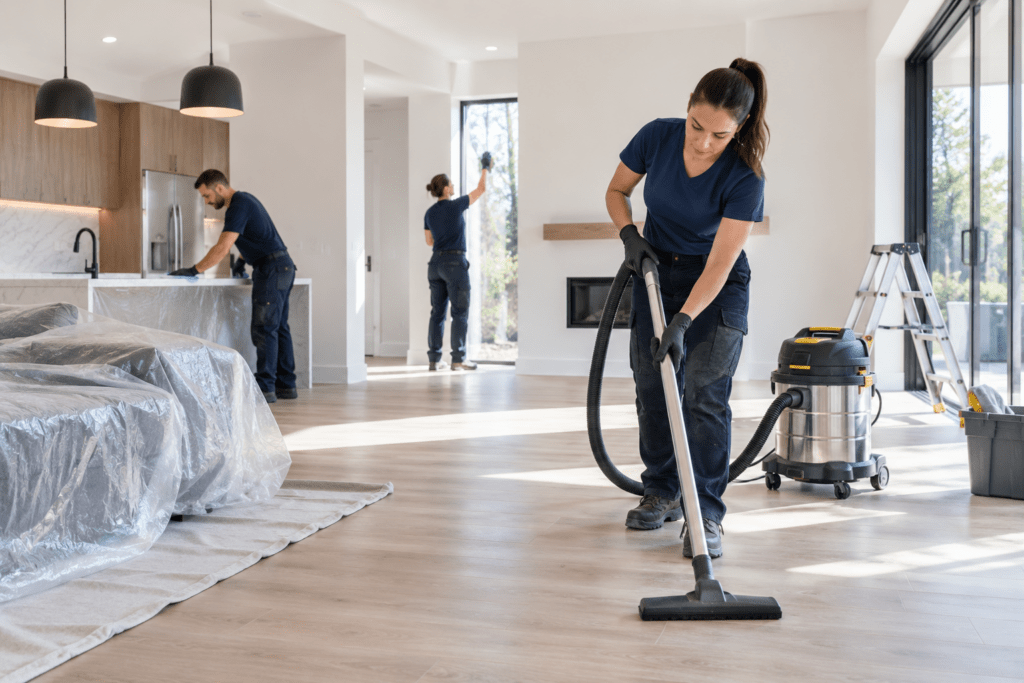
The Benefits of Professional Cleaning for Newly Built and Renovated Properties
Construction and renovation projects can completely change the appearance, function, and value of a property, but finishing the physical work does not always mean the space is ready for immediate use. During construction, dust, fine particles, packaging materials, paint residue, adhesive marks, sawdust, and other debris can settle across many different surfaces. Even areas that were not directly involved in the work can become covered with a thin layer of dust as particles move through open spaces. Floors, windows, cabinets, walls, fixtures, appliances, and other finished surfaces may all require detailed attention before occupants can comfortably use the property. Professional cleaning provides a structured way to remove construction-related residue and prepare the space for its next purpose. With appropriate equipment, techniques, and careful planning, a professional team can help transform a recently completed work area into a clean, comfortable, and presentable property.
Why Construction Creates Extensive Cleaning Needs
Construction work naturally creates different types of dirt that are not usually found in an occupied property. Cutting, drilling, sanding, painting, installing fixtures, moving materials, and completing finishing work can produce fine particles that travel beyond the immediate work area. Some debris is large enough to see easily, while other particles are extremely fine and can settle on surfaces without being noticed during a quick inspection. Dust may collect inside cabinets, along baseboards, on window frames, around light fixtures, and beneath newly installed equipment. Paint splashes, adhesive residue, labels, packaging fragments, and small pieces of construction material can also remain after contractors have completed their responsibilities. Because these materials require different approaches, ordinary household cleaning may not always be enough. Post construction cleaning helps identify and remove these remaining materials so the completed property can be properly presented.
Preparing the Property Before Cleaning
Proper preparation can make the final cleaning process much more efficient and organized. Large construction materials, tools, equipment, packaging, and obvious waste should be removed before detailed cleaning begins whenever possible. Clearing these items gives cleaners better access to floors, walls, cabinets, fixtures, windows, and other surfaces that require attention. It is also useful to inspect the property beforehand and identify delicate materials, newly installed features, and surfaces that may require specialized care. Different materials can respond differently to cleaning products, so understanding the property before work begins helps reduce the possibility of accidental damage. The cleaning process should also be coordinated with contractors so that major construction activities have been completed in the areas being cleaned. Once the property is sufficiently clear, cleaners can work systematically instead of repeatedly moving materials or cleaning the same areas.
Removing Fine Dust From Every Surface
Fine construction dust is one of the most challenging parts of preparing a newly completed property because it can spread almost everywhere. Even after visible debris has been removed, a thin layer of powder may remain on floors, countertops, shelves, doors, fixtures, and other surfaces. If dust is simply swept around without proper control, it can become airborne and settle again in areas that have already been cleaned. Professional cleaners can use suitable vacuum systems, microfiber materials, brushes, and other tools to capture fine particles more effectively. Working from higher surfaces toward lower surfaces can also help prevent unnecessary repetition during the cleaning process. Corners, edges, baseboards, window tracks, cabinet interiors, and other less visible areas should receive attention because they often collect more dust than expected. Thorough dust removal can make the biggest difference in revealing the clean appearance of newly finished surfaces.
Giving Floors Proper Attention
Floors can experience considerable exposure during construction because workers, tools, equipment, and materials frequently move across them. Depending on the project, flooring may collect dust, mud, paint, adhesive, sawdust, packaging residue, and other marks. Once the work is complete, the floor should be assessed according to its material and condition before any cleaning products are used. Hardwood, tile, stone, vinyl, laminate, concrete, and other surfaces may each require different methods and levels of care. Using unsuitable chemicals or aggressive tools on newly installed flooring can cause scratches, discoloration, or other damage. Professional cleaners can select appropriate techniques for removing dust and residue while protecting the finished surface. Clean flooring can dramatically improve the appearance of a property because it covers a large visual area and often becomes one of the first details people notice.
Cleaning Windows and Glass Surfaces
Windows and glass surfaces can become surprisingly dirty during construction and renovation work. Fine dust can settle on glass, while fingerprints, paint splashes, adhesive residue, and other marks may appear around frames, handles, and window edges. Glass doors, mirrors, shower panels, and other transparent surfaces can also require detailed cleaning before the property is ready for use. Cleaning these areas carefully can improve natural light and make rooms feel brighter and more finished. Professional cleaners can use appropriate tools and materials to reduce streaks while protecting the glass and surrounding surfaces. Window frames and sills should not be ignored because dust can remain there even when the glass itself looks clean. Giving attention to all parts of the window area helps create a more polished final appearance.
Cleaning Walls and Ceilings
Walls and ceilings can collect fine particles during sanding, drilling, painting, and other construction activities. Newly painted walls may appear finished, but a layer of dust can still settle across the surface and reduce its clean appearance. Ceilings, vents, light fixtures, and other elevated features can also collect particles that are difficult to notice from ground level. Cleaning these areas requires appropriate tools and careful techniques because newly finished surfaces may be sensitive to excessive moisture or aggressive scrubbing. Professional cleaners can assess the material and use methods designed to remove dust while preserving the finish. Attention should also be given to corners, edges, door frames, and areas around switches where construction residue may accumulate. Properly cleaning walls and ceilings helps create consistency throughout the property and prevents finished surfaces from looking dull or unfinished.
Cleaning Cabinets and Storage Areas
Cabinets, drawers, wardrobes, shelves, and other storage spaces can collect construction dust even when they have never been used. During installation, fine particles may enter the interiors and settle along corners, hinges, shelves, and edges. If these areas are not cleaned before belongings are stored, the dust can transfer onto dishes, clothing, documents, equipment, or other items. A detailed cleaning should therefore include both the inside and outside of storage units. Handles and hardware should also be inspected because they may contain fingerprints, dust, or installation residue. Professional cleaners can work through these areas systematically and ensure that hidden spaces receive the same attention as visible surfaces. Clean storage spaces make the property more practical to use and give occupants a cleaner starting point.
Preparing Kitchens After Renovation
A newly renovated kitchen may contain modern fixtures and attractive finishes, but construction residue can prevent the completed work from looking its best. Countertops, cabinets, drawers, sinks, backsplashes, appliances, and floors should all be inspected carefully before the kitchen is put into regular use. Fine dust can settle inside cabinets and drawers, while installation materials may leave fingerprints or residue around handles and fixtures. Appliances may also require cleaning according to their specific care instructions, especially when protective films, labels, or installation materials have been removed. Sinks and countertops should be cleaned carefully so that dust and residue do not remain in food preparation areas. A detailed final cleaning allows the quality of the renovation to become more visible and ensures that the kitchen is ready for everyday activities.
Preparing Bathrooms for Use
Bathrooms contain many fixtures and surfaces that can collect construction dust and installation residue. Toilets, sinks, tubs, showers, tiles, mirrors, cabinets, taps, floors, and glass surfaces should all be checked carefully. Grout and tile areas may require special attention after installation, while adhesive residue can sometimes remain around fixtures or fittings. Cleaning products should be selected according to the material because aggressive chemicals may affect certain finishes. Mirrors and glass surfaces should be cleaned carefully to remove dust and streaks that can make a newly completed bathroom look unfinished. Storage cabinets and drawers should also be cleaned before personal items are placed inside. A thoroughly cleaned bathroom provides a fresh and practical environment and contributes significantly to the overall presentation of the property. This is why post construction cleaning should cover both visible fixtures and less noticeable areas.
Removing Paint and Adhesive Residue
Paint splashes and adhesive marks can sometimes remain after construction even when contractors have completed their primary work. These marks may appear on floors, glass, fixtures, handles, windows, or other nearby surfaces. Removing them requires patience because using excessive force or an unsuitable chemical can damage the surface underneath. The correct approach depends on the type of residue and the material being treated. Professional cleaners can identify areas that need specialized attention and select appropriate methods for each situation. Careful treatment can remove unwanted marks while preserving newly installed finishes. Addressing these small details is important because even a few visible spots can affect the overall appearance of a newly completed property.
Cleaning Fixtures and Installed Features
Newly installed fixtures can collect dust and fingerprints during the construction process even when they have not yet been used. Light fixtures, ceiling fans, switches, handles, taps, vents, railings, and other features should be inspected as part of the final cleaning. These items can be delicate, so cleaning methods should be selected according to their materials and finishes. Dusting alone may be sufficient for some features, while others may require careful wiping or specialized treatment. It is also important to clean around fixtures because dust often collects where installed items meet walls, ceilings, counters, or other surfaces. Proper attention to these details can make the entire property appear more complete. Small finishing touches often have a significant impact on the overall impression created by a newly renovated space.
The Importance of Professional Equipment
Professional cleaning equipment can make a substantial difference when dealing with construction-related dust and residue. Standard household tools may not always be designed for large amounts of fine dust or the variety of surfaces found in newly constructed properties. Professional vacuums, microfiber systems, brushes, floor-care equipment, and specialized tools can help cleaners work more efficiently. Equipment should always be selected according to the material and condition of the surface being treated. Proper tools can help reach corners, edges, cabinet interiors, window tracks, and other difficult locations without unnecessary effort. Professional cleaners also understand how to organize their equipment and cleaning sequence to avoid spreading dust from one area to another. This combination of equipment and experience can make the final cleaning process considerably more effective.
Improving the Appearance of Newly Finished Spaces
A newly constructed or renovated property should showcase the quality of the work that has been completed. However, dust, residue, fingerprints, and debris can hide attractive finishes and make rooms look less complete than they actually are. Clean floors can highlight new flooring materials, while spotless windows can improve the amount of light entering a room. Clean cabinets, countertops, fixtures, and bathrooms can also make newly installed features more noticeable. Professional cleaning removes the visual distractions created by construction activity and allows the finished design to stand out. This can be especially important when the property is being prepared for an inspection, opening, sale, rental, or move-in. A polished final appearance provides a more accurate representation of the completed project and gives occupants confidence that the space is ready for use.
Supporting a Faster Transition to Occupancy
After a construction project, property owners and managers are often eager to begin using the space. Delaying occupancy because of extensive cleaning can be inconvenient, especially when there are planned opening dates, moving schedules, or other deadlines. Professional cleaners can help complete the final stage efficiently by working according to an organized plan. Instead of requiring owners or contractors to divide their attention between construction responsibilities and detailed cleaning, professional assistance allows each task to be handled separately. This can make the transition from construction to everyday use smoother and more predictable. When cleaning is planned early, the team can also coordinate its work with contractors and other professionals involved in the project. Efficient preparation can reduce unnecessary delays and help the property become usable sooner.
Maintaining Safety During Final Cleaning
Cleaning after construction requires careful attention to safety because some properties may still contain sharp objects, exposed materials, dust, unfinished sections, or other potential hazards. Before cleaning begins, the condition of the property should be assessed to ensure that the areas being cleaned are suitable for access. Electrical fixtures and newly installed equipment should be handled carefully, and cleaning products should be used according to their instructions. Protective equipment may be appropriate for certain tasks, particularly when dealing with heavy dust or specialized residues. It is also important to distinguish between construction work and cleaning work because cleaners should not be expected to correct unfinished building tasks. Proper coordination between contractors and cleaning professionals can help create a safer and more efficient final stage.
Creating an Organized Cleaning Plan
A detailed cleaning plan helps ensure that the property is not cleaned randomly or incompletely. Rooms can be divided into sections, with tasks assigned according to the surfaces and type of construction residue present. High areas should generally be cleaned before lower areas so that falling dust does not contaminate completed work. Dry dust removal can usually take place before wet cleaning, while floors can receive final attention after other dusty tasks have been completed. A checklist can include windows, walls, ceilings, cabinets, fixtures, appliances, bathrooms, kitchens, storage spaces, and floors. Once the main work is complete, a final inspection can identify any areas that require additional attention. This organized process helps create consistent results and reduces the possibility of overlooked details.
When Professional Cleaning Is Especially Valuable
Professional assistance can be particularly useful when construction projects involve large properties, multiple rooms, extensive renovations, or strict deadlines. The amount of fine dust and residue can be greater than expected, especially when sanding, drilling, cutting, painting, or flooring work has taken place throughout the property. Owners may also have other responsibilities such as arranging furniture, inspecting completed work, managing contractors, or preparing for occupancy. Delegating the detailed cleaning allows them to focus on those responsibilities while experienced cleaners handle the final preparation. Professional support can also be helpful when delicate finishes require specific cleaning methods. Choosing assistance based on the property’s actual needs can provide a more efficient and reliable final result.
Conducting a Final Quality Check
A final quality check should take place after the main cleaning process has been completed. Each room should be inspected carefully for remaining dust, debris, fingerprints, paint marks, adhesive residue, or overlooked surfaces. Cabinets and storage spaces should be opened, while windows, fixtures, and floors should be checked under suitable lighting. Newly installed surfaces deserve particular attention because small marks may become more noticeable once the property is fully furnished. If any issues are found, they can be corrected before the property is considered ready for occupancy or handover. A final inspection also provides an opportunity to confirm that construction materials and waste have been completely removed. This last step helps ensure that the property reaches the desired standard rather than stopping at the first visible signs of cleanliness.
Long-Term Benefits of a Clean Finished Property
The benefits of professional cleaning after construction are not limited to appearance. Removing construction dust and residue before regular occupancy can make the environment more comfortable and easier to maintain. Clean surfaces are also easier to organize and furnish because occupants do not have to work around leftover construction materials. A detailed initial cleaning can establish a clean starting point for the property’s normal maintenance routine. Once the property is in use, regular cleaning can then focus on everyday dust, spills, and other routine needs rather than dealing with construction residue. This creates a smoother transition from project completion to long-term property care. A well-maintained starting condition can also help occupants appreciate the quality and finish of the completed work.
Final Thoughts
Newly built and renovated properties deserve a final cleaning process that matches the quality and effort invested in the construction project. Dust, debris, residue, fingerprints, and other construction materials can remain on almost every type of surface, even after the main work has been completed. Post construction cleaning provides an organized solution for addressing these issues and preparing the property for its next stage. From floors, windows, kitchens, and bathrooms to cabinets, fixtures, walls, ceilings, and storage spaces, every area can benefit from careful attention. The use of appropriate equipment and surface-specific techniques can improve results while reducing the risk of unnecessary damage. A structured final inspection also ensures that smaller details are not overlooked before the property is occupied or handed over. Choosing professional cleaning for a newly built or renovated property can therefore save time, improve presentation, and provide a clean foundation for comfortable and productive use.