Best DTF Printer, DTF Oven, and Heat Press Machine for Custom T-Shirt Printing
Introduction
Custom T-shirt printing has become easier with DTF printers, DTF ovens, and heat press machines. A complete DTF setup allows businesses to create colorful designs on different fabrics without the complicated preparation required by some traditional printing methods. The process involves printing artwork on PET film, applying adhesive powder, curing it, and transferring the finished design to a garment with controlled heat and pressure.
Describe a DTF printer and explain how it operates
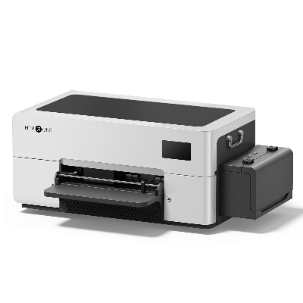
A DTF transfer printer, also called a direct-to-film printer, prints detailed designs onto specially coated PET film. The printer normally uses colored inks along with white ink to produce vibrant artwork suitable for both light and dark garments. After printing, hot-melt adhesive powder is applied to the wet design before the transfer moves to the curing stage
For someone starting an apparel business, a DTF printing machine can be a flexible option because DTF transfers can be used on cotton, polyester, blends, and other fabrics. This makes the technology useful for custom T-shirts, hoodies, uniforms, bags, and promotional clothing. When choosing the best DTF printer for T-shirts, consider print quality, maintenance, printing width, production speed, and the amount of work you expect to handle.
Why a DTF Oven Is Important
A DTF curing oven is used to melt the adhesive powder after it has been applied to the printed film. Proper curing creates the adhesive layer needed for the design to bond securely with the garment during heat pressing. Epson’s DTF guidance also explains that powder should be applied evenly and that curing conditions can change according to the film, powder, equipment, and amount of ink used.
A DTF powder shaker oven can make this stage easier by combining powder application and curing in one workflow. This is especially useful when production volume increases because less manual work is required. For smaller operations, a separate DTF drying oven or suitable curing setup may be enough, while higher-volume businesses can benefit from automated equipment.
Choosing the Right Heat Press Machine
The final stage requires a reliable T-shirt heat press machine to transfer the cured design onto the garment. A heat transfer press combines heat, time, and pressure to create a strong bond between the transfer and fabric. Current DTF equipment guides commonly recommend a press with accurate temperature control, consistent pressure, and a platen large enough for typical T-shirt designs.
When choosing a heat press machine for clothes, look for even heating, adjustable pressure, a dependable timer, and a suitable platen size. A 15 × 15-inch press is a practical option for many T-shirt applications, while larger models can be useful for oversized designs. An automatic heat press machine can also save effort for businesses processing a larger number of garments because repetitive pressing becomes easier to manage.
Complete DTF T-Shirt Printing Process
The complete workflow is straightforward. First, prepare your artwork and print it onto DTF film using the printer. Next, apply hot-melt powder while the ink is still wet, remove excess powder, and cure the film using a DTF transfer curing machine or suitable oven. Finally, position the cured transfer on the shirt and use the heat press according to the recommended settings for the specific film, powder, and fabric.
Using the correct settings is important because there is no single temperature and time combination that works for every DTF material. For example, current guides commonly place cotton pressing around 160°C, but manufacturers may recommend different settings for their particular products. Always test your materials before producing customer orders to reduce peeling, poor adhesion, or fabric damage.
Conclusion
A DTF printer, DTF Oven, and heat press machine work together as the foundation of a modern custom T-shirt printing setup. The printer creates the design, the oven cures the adhesive powder, and the heat press transfers the finished artwork onto clothing. Whether you are starting with small orders or building a larger apparel business, choosing equipment based on production volume, reliability, and ease of use can help create consistent, professional results.