Patch Management for Digital Asset Protection: A Guide for Business Owners With High-Value Digital Holdings
If your wealth lives partly online, in crypto wallets, brokerage accounts, intellectual property, or sensitive business records, then your software is part of your vault. And like any vault, it is only as strong as its weakest seam.
Those seams are the small, unglamorous gaps in everyday software that go unpatched. Attackers hunt for them precisely because owners overlook them.
This guide explains why keeping software updated is one of the most effective and underrated ways to protect valuable digital holdings, and how to make it a habit rather than an afterthought.
None of it requires deep technical skill. It mostly requires treating your software with the same seriousness you already give to your finances.
Why Digital Holdings Are a Prime Target
The value concentrated in digital assets has never been higher, and criminals have noticed. Theft of cryptocurrency alone has climbed sharply in recent years.
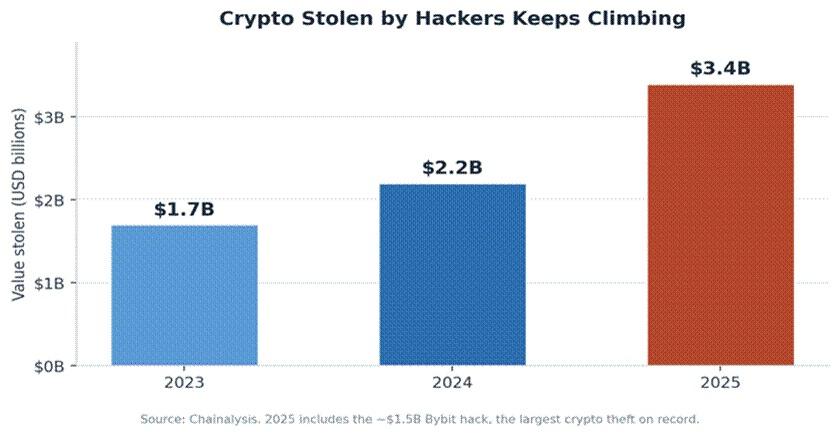
The trend is not limited to crypto. Brokerage logins, business banking, client data, and proprietary files all hold real value, and a single compromised device can expose them all at once.
Wealth that used to sit in a vault or a filing cabinet now sits behind a login. That convenience is wonderful, but it also means the locks protecting it are made of software.
For anyone active in markets, the same caution applies to buying and holding digital currencies, where the asset and the keys that control it live entirely in software.
The Quiet Risk: Unpatched Software
Most break-ins are not cinematic. Attackers lean on known flaws in software that owners simply never got around to updating.
The numbers are striking. Exploited vulnerabilities reached 20 percent of breaches in 2025, a 34 percent jump in a single year, putting them almost level with stolen passwords as the top way in.
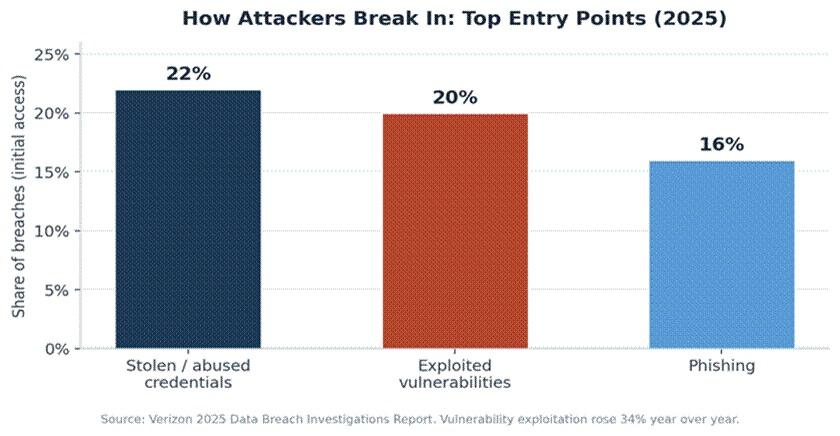
New flaws appear constantly, too. National databases logged roughly 40,000 new software vulnerabilities in 2024, up from about 28,000 the year before.
Most of those flaws ship with a fix. The danger is the gap between a patch being released and you actually installing it, a window attackers race to exploit.
How a Breach Usually Reaches Your Assets
It helps to see the chain of events, because it is shorter than most people expect.
First, an attacker finds an unpatched flaw in a device, browser, or app, often through automated scanning that never sleeps.
Next, they use that opening to plant malware that quietly harvests passwords, session tokens, and wallet keys from the machine.
Finally, those stolen credentials unlock the accounts where your value lives. The unpatched software was simply the unlocked side door, and most of the chain is preventable by closing it.
What Patching Actually Protects
Strong, regular updates are the core of patch management for digital asset protection, and the payoff reaches every layer that touches your holdings.
The table below shows where unpatched software creates risk, and what timely updates defend.
| Layer to keep updated | What it protects |
| Operating systems and devices | The foundation every account and wallet runs on |
| Browsers and extensions | The most common gateway to online accounts |
| Wallet and trading apps | Direct access to digital assets and keys |
| Password managers | The keys to everything else |
| Routers, firewalls, and VPNs | The edge attackers probe first |
| Business servers and cloud apps | Client data and proprietary files |
No single update is a silver bullet. But together, consistent patching removes the easy, known footholds that most thefts rely on.
A Simple Routine for Busy Owners
You do not need a security team to close the main gaps. A short, repeatable routine does most of the work.
The goal is to make updating automatic and boring, so it happens without depending on you to remember it during a busy week.
• Turn on automatic updates for your operating systems, browsers, and apps.
• Keep an inventory of every device that touches your accounts, including phones and tablets.
• Prioritize updates for anything internet-facing, such as routers and VPNs.
• Apply critical security patches promptly rather than deferring them for weeks.
Prioritization matters because not every flaw is equally dangerous. Public resources like the list of flaws under active attack make it easy to see which updates deserve immediate attention.
Where Patching Fits in a Bigger Plan
Patching is essential, but it works best alongside other basics. Think of it as one strong layer in a stack, not the whole defense.
On its own, an update closes a known hole. Combined with the habits below, it becomes part of a posture that is genuinely hard to breach.
Pair it with multi-factor authentication, hardware wallets for crypto, encrypted backups, and a habit of how vulnerabilities are tracked and prioritized so you understand which risks matter most.
It is also worth coordinating with the professionals who already help protect your wealth. Just as you rely on professional financial guidance, a trusted technical advisor can keep your systems current without you tracking every release.
Special Care for Crypto Holdings
Cryptocurrency deserves extra attention, because a theft is usually permanent. There is no bank to call and no transaction to reverse.
Attackers increasingly target individual holders, not just exchanges. Personal wallet compromises have grown into a large share of all crypto stolen, often starting with malware on an unpatched personal device.
Keep the device you use for crypto especially clean and current, and consider a dedicated machine for high-value transactions. The fewer apps and the more up to date it is, the smaller the target.
Hardware wallets add a vital layer by keeping keys offline, but the computer you connect them to still needs to be patched and trustworthy.
The Cost of Getting It Wrong
The financial case for patching is blunt. The global average cost of a data breach was about 4.4 million dollars in 2025, and far higher in the United States.
For business owners, the damage rarely stops at money. A breach can mean lost client trust, exposed deals, and stolen assets that, in the case of crypto, are often impossible to recover.
Set against those stakes, the effort of keeping software current is trivial. It is one of the rare protections that costs little and prevents a great deal.
Even the systems that run your operations are exposed. The same diligence applies to the platforms that handle sensitive financial data, which are attractive targets precisely because of what they hold.
Frequently Asked Questions
Is patching really that important for protecting assets?
Yes. Exploited software flaws are now behind roughly one in five breaches, and most of those flaws already had a fix available when they were used.
Do automatic updates cover everything?
They cover a lot, but not all. Routers, firewalls, and some business applications often need manual attention, so check them regularly.
How quickly should I install security patches?
As soon as practical for critical ones. Attackers often begin exploiting a known flaw within days, so a long delay widens your exposure.
Does patching protect my crypto specifically?
It removes one major path to theft, such as malware on an unpatched device. Pair it with hardware wallets and strong authentication for fuller protection.
I run a small operation. Am I really a target?
Yes. Automated attacks scan everyone, and high-value holdings make smaller owners worthwhile targets regardless of company size.
What should I update first?
Start with anything internet-facing and anything that touches money, such as routers, browsers, password managers, and wallet or banking apps. Those carry the most risk if left unpatched.
The Bottom Line
Protecting digital wealth is not only about firewalls and passwords. It is also about closing the quiet gaps that unpatched software leaves open.
Turn on automatic updates, prioritize anything internet-facing, and treat critical patches as urgent. These simple habits shut the doors attackers use most.
Your digital holdings deserve the same care and attention as any other valuable asset you own. Keeping your software current is one of the cheapest, most effective ways to guard them.
References
1. Verizon. “2025 Data Breach Investigations Report (DBIR),” 2025. https://www.verizon.com/business/resources/reports/dbir/
2. Chainalysis. “2025 Crypto Crime Report” (value stolen from cryptocurrency services), 2025. https://www.chainalysis.com/blog/2025-crypto-crime-mid-year-update/
3. IBM. “Cost of a Data Breach Report 2025” (global average breach cost of 4.44 million dollars), 2025. https://www.ibm.com/reports/data-breach
4. Cybersecurity and Infrastructure Security Agency (CISA). “Known Exploited Vulnerabilities (KEV) Catalog.” https://www.cisa.gov/known-exploited-vulnerabilities-catalog
5. National Institute of Standards and Technology. “National Vulnerability Database” (new CVE volume). https://nvd.nist.gov/
6. “What Is Vulnerability Management? A Complete Guide,” CyberGlossary reference. https://www.fortinet.com/resources/cyberglossary/vulnerability-management