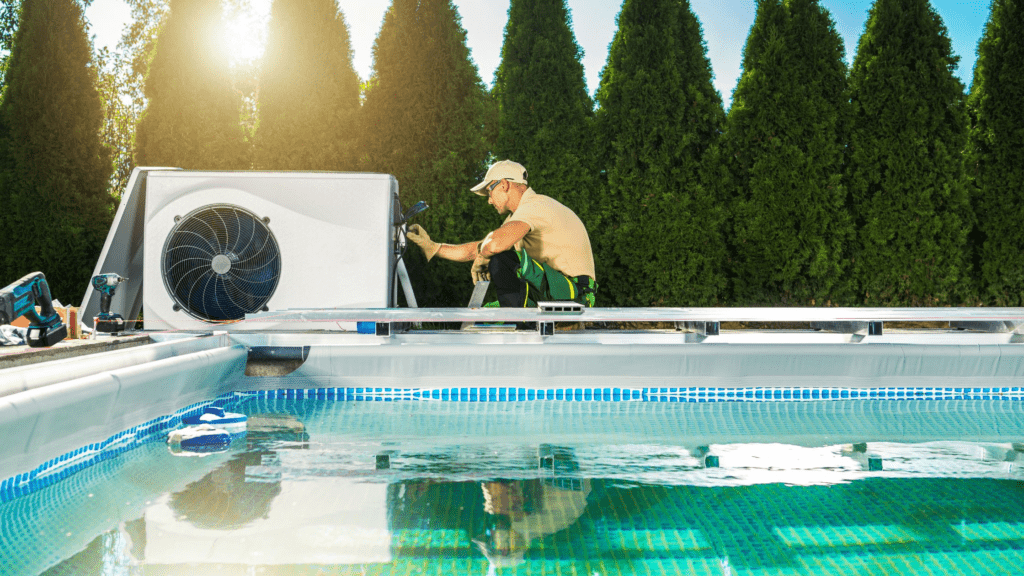
Expert Tips for Maximizing Pool Heater Performance
Simply installing a heater isn’t enough to guarantee the best results. Like any piece of equipment, a pool heater performs at its best when it’s properly sized, maintained, and used correctly. Small adjustments in how you operate your system can reduce energy consumption, shorten heating times, and even extend the lifespan of the equipment.
If you’re considering upgrading your current system or browsing pool heat pumps for sale, it’s equally important to understand how to get the most from your investment after installation. The right habits can make a noticeable difference in both comfort and operating costs.
Start with the Right Heater for Your Pool
Performance begins long before you switch the heater on.
A heater that’s too small will struggle to maintain your desired water temperature, especially during cooler weather. On the other hand, an oversized system may cost more than necessary without delivering significant long-term benefits.
When selecting a pool heater, consider factors such as:
- Pool size
- Average outdoor temperatures
- Desired swimming season
- Typical water temperature
- Local climate
Choosing equipment that’s properly matched to your pool creates the foundation for efficient heating.
Use a Pool Cover Whenever the Pool Isn’t in Use
One of the simplest ways to improve heater performance is by reducing heat loss.
Most heat escapes through evaporation at the water’s surface rather than through the pool walls or floor. Even on mild evenings, an uncovered pool can lose a surprising amount of warmth overnight.
A quality pool cover helps by:
- Retaining heat
- Reducing evaporation
- Lowering heater run time
- Conserving energy
- Keeping debris out of the water
Many pool owners notice faster heating and lower operating costs simply by making it a habit to cover the pool after each swim.
Keep Water Chemistry Balanced
Water chemistry isn’t just important for swimmers, it also affects your heating equipment.
Improper chemical levels can lead to scale buildup, corrosion, or premature wear inside the heater’s heat exchanger.
Regularly monitor:
- pH levels
- Total alkalinity
- Calcium hardness
- Sanitizer levels
Balanced water helps maintain efficient heat transfer while reducing unnecessary strain on internal components.
Clean the Pool Regularly
Leaves, insects, dirt, and debris may not seem related to heating efficiency, but they can affect overall system performance.
Debris clogs skimmer baskets and filters, restricting water flow through the heater.
Poor circulation means:
- Longer heating times
- Increased energy consumption
- Greater wear on pumps and heating equipment
Routine cleaning keeps water moving efficiently throughout the entire circulation system.
Maintain Proper Water Flow
Every pool heater is designed to operate within a recommended flow range.
If water moves too slowly, the heater cannot transfer heat effectively.
If flow is too high, the system may not absorb enough heat before the water returns to the pool.
Common causes of restricted flow include:
- Dirty filters
- Blocked skimmer baskets
- Partially closed valves
- Air trapped in the plumbing
Checking these items regularly helps maintain consistent heating performance.
Schedule Routine Equipment Maintenance
Many heater problems develop gradually rather than appearing overnight.
Annual inspections can identify issues before they become expensive repairs.
Routine maintenance often includes:
- Cleaning internal components
- Inspecting electrical connections
- Checking refrigerant levels on heat pumps
- Examining plumbing connections
- Testing system controls
A well-maintained heater generally operates more efficiently and lasts longer than one that’s neglected.
Give Your Heat Pump Plenty of Breathing Room
If you own a pool heat pump, unrestricted airflow is essential.
Unlike gas heaters, heat pumps absorb warmth from the surrounding air. Anything that limits airflow reduces efficiency.
Avoid placing objects too close to the unit, including:
- Shrubs
- Storage boxes
- Outdoor furniture
- Garden equipment
Regularly remove leaves, grass clippings, and other debris that may accumulate around the air intake or exhaust.
Keeping the area clear allows the heat pump to capture heat more effectively.
Heat the Pool Before You Need It
One common mistake is waiting until the morning of a planned swim before turning on the heater.
Heating thousands of gallons of water takes time.
Instead:
- Start heating the pool a day in advance.
- Maintain a consistent temperature if you swim frequently.
- Avoid repeatedly heating completely cold water.
Maintaining temperature usually requires less energy than reheating from scratch every time.
Run the Heater During Favorable Conditions
Outdoor conditions directly influence heater efficiency.
For pool heat pumps especially, warmer daytime temperatures allow the system to extract more heat from the surrounding air.
Whenever possible:
- Operate the heater during sunny afternoons.
- Avoid unnecessary heating during very cold nights.
- Take advantage of naturally warmer weather.
These simple timing adjustments can reduce electricity consumption without affecting comfort.
Keep the Filter Clean
A dirty pool filter restricts circulation throughout the entire system.
Reduced water flow forces both the pump and heater to work harder.
Signs your filter needs attention include:
- Lower return jet pressure
- Cloudy water
- Longer heating times
- Higher energy bills
Whether you use a cartridge, sand, or DE filter, cleaning it according to the manufacturer’s recommendations supports efficient heater operation.
Monitor Energy Usage
Many modern pool heating systems include digital displays or smart controls that allow you to track operating performance.
If your electricity usage suddenly increases without changes in weather or pool usage, it could indicate:
- Reduced heater efficiency
- Poor circulation
- Dirty filters
- Developing mechanical issues
Monitoring performance regularly helps catch small problems before they become costly repairs.
Protect Your Heater During the Off-Season
If your pool isn’t used year-round, proper winterization helps preserve heater performance.
Depending on your climate, this may involve:
- Draining water from the heater
- Disconnecting power
- Covering the unit
- Protecting exposed plumbing
Following the manufacturer’s shutdown procedures reduces the risk of freeze damage and corrosion during extended periods of inactivity.
Don’t Ignore Small Warning Signs
Pool heaters often provide early warning signs before experiencing major failures.
Watch for:
- Unusual noises
- Frequent error codes
- Longer heating times
- Water leaks
- Reduced heating performance
Addressing these issues promptly usually costs far less than waiting until the heater stops working altogether.
Invest in Quality Equipment
Even perfect maintenance cannot compensate for poorly built equipment.
High-quality pool heat pumps are designed with better compressors, corrosion-resistant heat exchangers, advanced controls, and more efficient operating systems.
Although premium models may require a larger upfront investment, they often provide:
- Lower operating costs
- Greater reliability
- Longer service life
- More consistent water temperatures
When comparing options, focus on overall value rather than purchase price alone.
Final Thoughts
Maximizing pool heater performance isn’t about one single adjustment, it’s the result of several smart habits working together. Proper sizing, balanced water chemistry, good circulation, routine maintenance, and reducing heat loss all contribute to a more efficient heating system.
Whether you’re maintaining an existing unit or exploring new pool heat pumps for sale, following these expert tips can help you enjoy warmer water, lower energy bills, and fewer maintenance headaches for years to come. A well-maintained heater not only performs better but also gives you more time to enjoy your pool instead of worrying about its temperature.