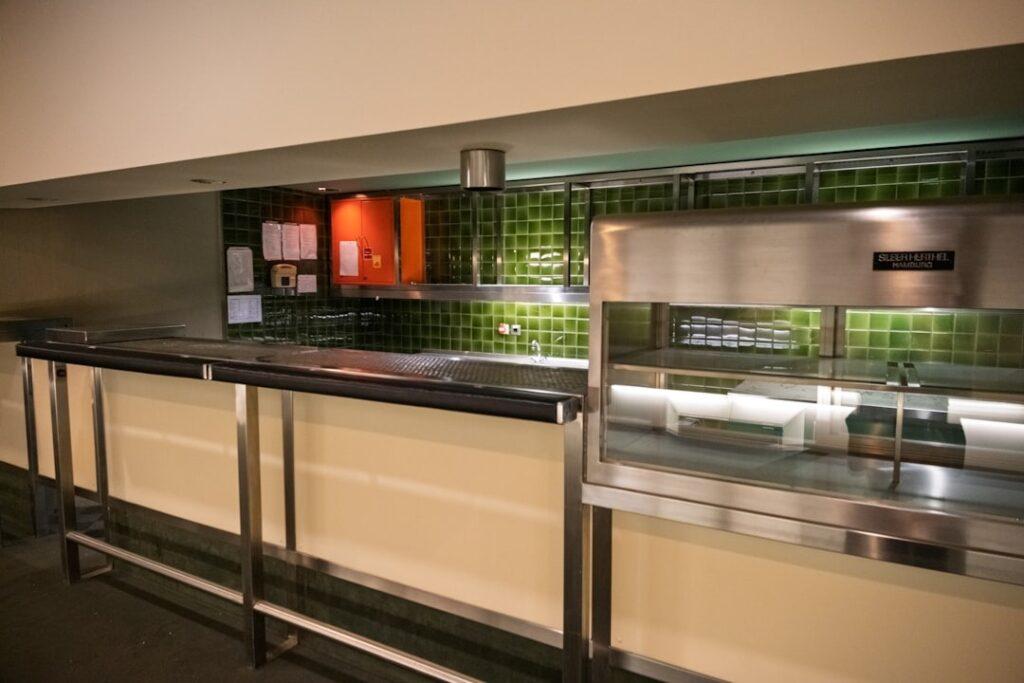
Outfitting a Serious Kitchen With Pro-Grade Equipment
A great meal starts long before the first pan hits the heat. It begins with the gear that fills the room. The best restaurants win on tools, cold storage, and clean prep. Ambitious home cooks can borrow the same playbook.
Good equipment is the quiet difference between amateur and pro. A Canadian supplier such as Chef Stop is one example, with refrigeration, prep tools, and bar gear for working kitchens. The right pieces last for years and earn back their cost. This guide shows how to choose them with a clear head.
Why Does Pro-Grade Equipment Change a Kitchen?
Commercial gear is built for volume, heat, and daily abuse. A home stove might see 4 hours of use a week. A line range runs for 12 hours a day. That gap explains the heavier steel and stronger motors.
The payoff shows up in the food itself. A hotter burner sears a steak in half the time. A stable oven holds temperature within a few degrees. Even a casual steakhouse dinner depends on that kind of control behind the pass. The same control lets seasonal produce keep its color and crunch.
Durability is the other reason to spend well. Pro tools use parts you can replace, not units you toss. A good range can serve for 15 years or more. That math favors quality over the cheapest option.
How Do You Choose Commercial Refrigeration?
Cold storage is the backbone of any serious kitchen. Get it wrong and you lose food, money, and trust. Start by sizing the space to your real menu. A tight kitchen still needs room to hold 2 to 3 days of stock.
Match the unit to the job at hand. Reach-in coolers suit quick service on the line. Walk-in rooms handle bulk for a busy 90-seat room. Under-counter drawers keep prep items within arm’s reach.
Look for certification marks before you buy. Equipment tested to public health standards protects your guests and your license. The NSF certification program checks that a unit is safe to clean and hold food. That label is worth the small premium.
Which Prep Tools Earn Their Counter Space?
Prep tools decide how fast and clean a kitchen runs. A few smart choices beat a drawer full of gadgets. Buy the pieces you will touch every single shift.

Start with the basics that do heavy work. A sharp chef knife handles most cuts on the board. A stainless prep table gives you a stable, sanitary surface. A quality kaiseki dining menu shows how far precise knife work can carry a plate.
Then add the tools that save real time. A commercial food processor cuts prep by 20 minutes a service. A reliable scale keeps portions and costs in line. These pieces pay for themselves within a few months.
What Makes a Home Bar Feel Professional?
A proper bar is part theater and part logistics. The gear should look sharp and work fast under pressure. Cold glassware and clean ice set the tone right away. Guests notice the difference in the first sip.
Focus on the tools that shape the drink. A dedicated ice machine gives you clear, dense cubes. An under-bar cooler keeps 6 bottles of white within reach. A West Village night out at an Italian spot proves how much a stocked bar adds to a meal.
Storage keeps the whole setup calm. Rails, wells, and racks put every bottle in its place. That order lets one person pour for a full room. Speed and neatness are the real marks of a pro bar.
How Do You Budget and Source the Build?
A smart build starts with a written list, not a wish. Rank each item by how often you will use it. Spend first on cold storage, heat, and knives. Fill in the extras once the core is solid.
Buy from suppliers who stand behind the gear. Warranties, parts, and service matter more than a low sticker price. Safe handling also depends on training, not just tools. The team at Penn State Extension shares food safety guidance any kitchen can use.
Plan for the running costs too. Energy-efficient units trim the power bill month after month. A used piece can be a fair deal with 1 year of service history. Set aside 10 percent of the budget for repairs.
A Serious Kitchen Starter Kit
New builds go smoother with a tight, ranked list. Here is a shortlist worth building around.
- One reach-in cooler sized for 3 days of stock.
- A range with at least 4 burners and an oven.
- A sharp chef knife and 2 spare blades.
- A stainless prep table with a lower shelf.
- An ice machine rated for a 30-guest night.
- A digital scale accurate to 1 gram.
Frequently Asked Questions
How Much Should a First Commercial Kitchen Cost?
A small setup often runs 20,000 to 50,000 dollars. Cold storage and cooking gear take the biggest share. Buying core pieces first spreads the cost over time.
Can a Home Cook Use Commercial Equipment?
Yes, though you should check power and venting first. Many units need 220-volt lines and real airflow. Smaller pro-grade tools fit a home kitchen with ease.
What Should You Buy First for a New Kitchen?
Start with refrigeration, a strong range, and good knives. These 3 pieces shape almost every dish you serve. Everything else can wait until the core works well.
Is Used Equipment a Safe Choice?
It can be, with care and a close look. Check seals, motors, and service records before you pay. A 5-year-old cooler in good shape is often a smart buy.
Building a Kitchen That Cooks Like a Pro
A serious kitchen rewards patience and a clear plan. Choose cold storage, heat, and prep tools with intent. Buy quality where it counts and skip the rest. The gear should serve the food, not the ego.
Start small and grow the setup as you learn. Each solid piece raises what you can cook and serve. Great meals rest on great equipment and steady habits. Build the room right, and the plates will follow.