Move Out Cleaning Made Easy: Practical Tips and Essential Steps for a Thorough Final Home Cleaning
Moving to a new home can be an exciting experience, but leaving an old home behind requires careful planning and preparation. Packing belongings, organizing transportation, managing paperwork, and handling last-minute responsibilities can quickly become overwhelming. Cleaning the property is another major task that should not be overlooked, especially when the goal is to leave the space looking fresh, organized, and well maintained. Move out cleaning involves more than simply sweeping floors and wiping countertops. It requires attention to kitchens, bathrooms, bedrooms, living spaces, storage areas, windows, doors, appliances, fixtures, and other surfaces that may have been overlooked during everyday cleaning. A detailed approach can make the property look significantly better and can also make the final inspection or handover process easier. By creating a practical plan, gathering the right supplies, and working through each area systematically, homeowners and renters can reduce stress and achieve a more thorough result without unnecessary confusion.
Why Thorough Cleaning Matters Before Moving
A property can look reasonably clean during everyday living while still containing dust, grime, stains, and buildup in less noticeable areas. Furniture, appliances, boxes, and personal belongings often hide parts of the floor, walls, cabinets, and other surfaces. Once everything has been removed, these areas become much easier to see and may require additional attention. Move out cleaning provides an opportunity to address these overlooked spaces and leave the property in a condition that reflects proper care. A clean home can also create a better impression for the next occupants and may help prevent unnecessary concerns during a final inspection. For renters, checking the applicable cleaning requirements before starting can be particularly useful because different properties may have different expectations. Even when there are no formal requirements, a thorough cleaning is worthwhile because it allows the person leaving the property to complete the moving process with greater confidence and peace of mind.
Creating a Detailed Cleaning Checklist
The first step toward an efficient cleaning process is creating a detailed checklist. Moving involves many responsibilities, and relying entirely on memory can make it easy to overlook important areas. A room-by-room checklist allows tasks to be organized in a logical order and makes it easier to track progress. Move out cleaning becomes much more manageable when the property is divided into sections instead of treating the entire home as one enormous project. The checklist can include floors, walls, ceilings, windows, doors, cabinets, appliances, bathrooms, fixtures, storage spaces, and other specific areas. It can also identify tasks that require special attention, such as removing grease from kitchen surfaces or cleaning accumulated residue from bathroom fixtures. Completing the checklist gradually can provide a clear sense of progress and reduce the risk of leaving important work until the last minute. Keeping the checklist available throughout the process also makes it easier to coordinate responsibilities when more than one person is helping.
Gathering the Right Cleaning Supplies
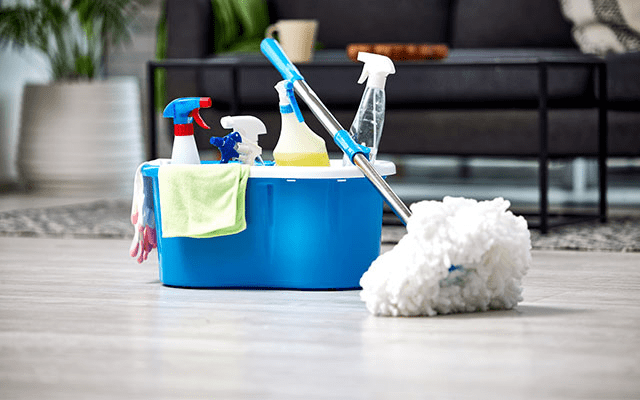
Having the appropriate cleaning supplies ready before beginning can save considerable time. Searching for products in different rooms or making repeated trips to purchase missing items can interrupt the cleaning process and create unnecessary frustration. A basic cleaning kit may include microfiber cloths, sponges, scrub brushes, a vacuum cleaner, a broom, a mop, buckets, gloves, trash bags, and suitable surface-cleaning products. Move out cleaning may require different products depending on the materials found throughout the property. Glass surfaces, wood, tile, stone, painted walls, stainless steel, and other materials may require different cleaning methods to avoid damage. It is important to read product labels carefully and follow usage instructions, particularly when using stronger cleaning agents. Cleaning products should never be mixed unless the manufacturer specifically indicates that doing so is safe. Organizing all supplies in one portable container can make it easier to move from room to room and ensure that necessary items remain available throughout the project.
Starting With Empty Rooms
Cleaning is generally easier after furniture, boxes, and personal belongings have been removed from a room. Empty spaces provide better access to floors, walls, corners, closets, and other areas that may have been hidden during everyday use. Starting with rooms that are already cleared can help build momentum and prevent freshly cleaned areas from becoming cluttered again. Move out cleaning should ideally follow a logical direction through the property so that completed rooms can remain undisturbed. Working from higher surfaces downward is also useful because dust can fall onto lower areas during cleaning. For example, ceiling fans, shelves, vents, and upper surfaces can be addressed before countertops and floors. Once the higher areas are finished, floors can be cleaned last. This approach reduces the need to repeat work and helps maintain a cleaner result. Empty rooms also make it easier to identify marks, stains, damage, or maintenance issues that may have been hidden by furniture.
Deep Cleaning the Kitchen
The kitchen often requires extra attention because cooking and food preparation can leave behind grease, crumbs, spills, stains, and odors. Cabinets and drawers should be emptied completely before their interiors are wiped down. Handles and edges deserve attention because they can accumulate fingerprints and grime over time. Countertops should be cleaned using a method appropriate for their material, while sinks and faucets should be scrubbed to remove residue and water marks. Move out cleaning should also address appliances that remain with the property, including ovens, refrigerators, microwaves, dishwashers, and cooking surfaces. Grease around stovetops and oven doors may require additional effort, especially if it has accumulated gradually. The refrigerator should be emptied and cleaned thoroughly if it is included with the property, while removable shelves and drawers can be cleaned separately when appropriate. Finally, the kitchen floor should be vacuumed or swept before mopping to remove loose debris. A detailed kitchen cleaning can make a noticeable difference in the overall appearance of an empty home.
Paying Special Attention to Bathrooms
Bathrooms require careful cleaning because moisture and frequent use can lead to soap residue, mineral deposits, stains, and buildup. Toilets, sinks, showers, bathtubs, faucets, mirrors, tiles, and floors should all be inspected. Areas around fixtures and edges can collect dirt that is easy to miss during quick everyday cleaning. Move out cleaning in the bathroom should also include cabinets, drawers, shelves, vents, baseboards, and accessible spaces behind or around fixtures. Grout lines may require additional attention because dirt can become trapped between tiles. Glass shower surfaces and mirrors should be cleaned carefully to reduce streaks and water marks. Appropriate cleaning products should be selected for each surface, and chemical products should never be mixed because some combinations can release harmful fumes. After cleaning, surfaces should be allowed to dry properly. A thoroughly cleaned bathroom can make the entire property feel fresher and more well maintained.
Cleaning Bedrooms and Living Spaces
Bedrooms and living rooms may require less intensive scrubbing than kitchens and bathrooms, but they still contain many areas that need attention before leaving. Once furniture and belongings have been removed, floors should be vacuumed or swept carefully, particularly along walls and in corners. Baseboards can accumulate dust and should be wiped where appropriate. Doors, handles, light switches, and other frequently touched surfaces can also collect fingerprints and dirt. Move out cleaning should include closets, built-in shelving, drawers, and other storage areas that may have been hidden behind clothing or furniture. Walls can be inspected for visible marks and treated carefully according to their paint or surface type. Ceiling fans, vents, window frames, and other elevated surfaces can also collect dust. Working systematically around the room can prevent overlooked areas and make it easier to identify anything that still needs attention before the final walkthrough.
Taking Care of Floors
Floors are among the most noticeable parts of a property because they cover a large visible area and receive constant daily use. Dirt, dust, hair, food particles, and stains can accumulate even when floors appear relatively clean. Different flooring materials require different cleaning methods, so care should be taken to avoid using products or techniques that could cause damage. Move out cleaning should include floor edges, corners, areas beneath recently removed furniture, and spaces near baseboards. Carpets should be vacuumed thoroughly, while hard flooring may need sweeping followed by suitable mopping. If there are stubborn stains, the appropriate treatment should be selected based on the flooring material and manufacturer recommendations. Cleaning floors near the end of the process can help prevent new dust and debris from settling on freshly cleaned surfaces. A clean floor can dramatically improve the appearance of an empty property and make the final result feel much more complete.
Cleaning Walls, Doors, and Fixtures
Walls can develop fingerprints, scuff marks, dust, and other signs of everyday use, particularly in hallways and areas with frequent activity. Doors and handles can also accumulate dirt and should be inspected carefully. Painted walls should be cleaned gently because aggressive scrubbing can damage the finish or remove paint. Move out cleaning should include appropriate attention to doors, handles, light switches, outlet covers, vents, and other fixtures. These small areas may seem insignificant, but they can become highly noticeable once the property is empty. Good lighting can help reveal marks that are difficult to see in darker conditions. It is useful to inspect each wall from different angles and clean only with methods suitable for the particular surface. Taking care of these details can create a more polished appearance without requiring complicated equipment. The goal is to remove normal dirt and buildup while avoiding damage that could create additional problems.
Cleaning Windows and Glass Surfaces
Windows can make a major difference in how bright and fresh a property appears. Dust can collect on glass, frames, tracks, and sills, while fingerprints and water marks may reduce the clarity of the glass. Move out cleaning should include accessible window surfaces and surrounding areas where dust and debris have accumulated. Before applying liquid cleaner, loose dirt should be removed from tracks and frames so that it does not turn into muddy residue. A suitable glass cleaner and lint-free cloth can help reduce streaks. Window coverings should also be inspected because blinds, curtains, and shades can collect dust during everyday use. If removable coverings need cleaning, their care instructions should be followed carefully. Clean windows can allow more natural light into the property and improve the overall impression of cleanliness. Even when windows are not heavily dirty, giving them a final inspection can help identify fingerprints, streaks, or accumulated dust.
Checking Closets and Storage Spaces
Storage areas are among the easiest places to overlook during a move because they are often cleaned less frequently than visible living spaces. Closets, cabinets, drawers, shelves, utility spaces, and other storage areas should be completely emptied before cleaning begins. Move out cleaning should include wiping or vacuuming the interiors of these spaces and checking corners for dust, debris, forgotten belongings, or cobwebs. Shelves can be cleaned from top to bottom, while drawers should be opened fully so their corners and edges can be inspected. It is especially important to make sure that no personal belongings have been left behind because small items can easily become hidden during the rush of moving. Storage areas should also be checked for signs of damage or maintenance concerns once they are empty. Completing this step carefully can prevent unpleasant surprises after leaving the property and can make the final inspection much smoother.
Organizing the Final Cleaning Process
A well-organized approach can make the final stage of cleaning significantly easier. It is usually more efficient to work through one room at a time rather than repeatedly moving between different areas. Move out cleaning can be divided into stages, beginning with dusting and high surfaces, followed by cabinets and fixtures, then walls and windows, and finally floors. This order reduces the possibility of dirtying an area that has already been completed. If multiple people are helping, tasks can be divided according to rooms or specific responsibilities. One person might focus on bathrooms while another handles kitchen surfaces or floors. Keeping communication clear can prevent duplicate work and ensure that difficult areas are not ignored. It is also useful to leave enough time for drying, especially after mopping bathrooms and kitchens. Rushing the final stages can lead to missed spots, so building extra time into the schedule is a practical way to reduce pressure.
Deciding Whether to Hire Professional Help
Not every moving situation requires professional cleaners, but some properties may be too large or demanding for one person to handle comfortably. The decision should depend on the condition of the property, the amount of available time, the size of the space, and the level of cleaning required. Move out cleaning can become particularly demanding when a home has accumulated significant grime, grease, dust, or neglected areas over a long period. Professional cleaners may have specialized equipment and experience that can help complete detailed work more efficiently. However, people who have sufficient time and prefer to manage the process independently can often complete many tasks using a careful checklist and appropriate supplies. Before making a decision, it can be helpful to estimate the number of rooms, the amount of cleaning required, and the time available before departure. This makes it easier to determine whether professional assistance would provide meaningful value.
Completing the Final Walkthrough
A final walkthrough is one of the most important steps because it allows remaining issues to be identified before the property is officially vacated. Once all cleaning tasks appear complete, each room should be inspected carefully from different angles. Move out cleaning should not be considered finished until floors, cabinets, windows, bathrooms, appliances, storage spaces, doors, and fixtures have all been checked. Good lighting can reveal dust, streaks, fingerprints, and small marks that may not be visible immediately. It can also be useful to compare the property against the original checklist to make sure that no task has been forgotten. Any remaining personal belongings should be removed, and obvious maintenance concerns should be documented or reported when appropriate. Taking a few extra minutes for this final review can prevent the inconvenience of discovering missed areas after the move has already been completed. A careful walkthrough provides confidence that the property is ready for its next stage.
Conclusion
Moving out involves many responsibilities, but a detailed cleaning plan can make the final stage much more manageable. A thorough cleaning improves the appearance of a property, addresses hidden dirt and buildup, and can make the final inspection or handover process smoother. Move out cleaning is most effective when it is approached systematically, with attention given to kitchens, bathrooms, bedrooms, living spaces, floors, windows, storage areas, fixtures, and other commonly overlooked surfaces. Creating a checklist, gathering appropriate supplies, cleaning from higher surfaces downward, and completing a final walkthrough can help prevent unnecessary stress and repeated work. Whether the cleaning is handled independently or with professional assistance, preparation is the key to achieving a satisfactory result. By allowing enough time and working carefully through each area, anyone preparing to leave a property can create a cleaner, fresher, and more organized space while bringing the moving process to a confident and successful conclusion.