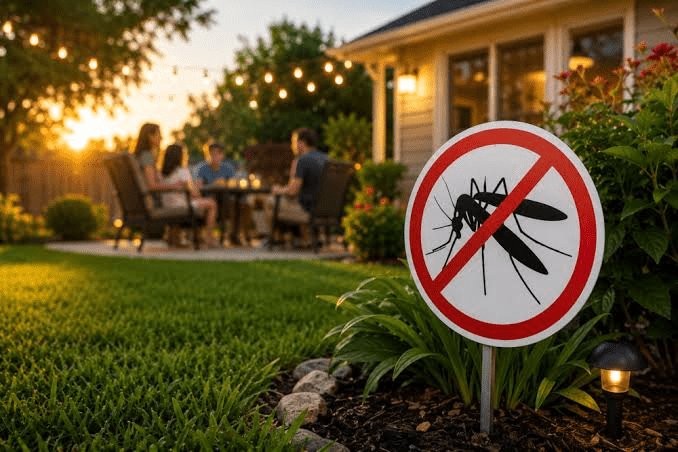
Mosquito Control: Effective Strategies for Creating a More Comfortable Outdoor Environment
Mosquitoes are among the most common outdoor pests, and their presence can quickly make an otherwise enjoyable environment uncomfortable. A small number of mosquitoes may seem like a minor nuisance, but populations can increase rapidly when suitable breeding conditions are available. Standing water, dense vegetation, shaded areas, clogged drainage points, and poorly maintained outdoor spaces can all contribute to mosquito activity. Because mosquitoes can reproduce in relatively small amounts of stagnant water, controlling them requires more than simply treating the areas where adults are visible.
An effective mosquito management strategy combines prevention, habitat reduction, property maintenance, and targeted treatments when necessary. Understanding mosquito behavior and the conditions that encourage their presence can help property owners take practical steps to reduce activity around homes, businesses, gardens, recreational areas, and other outdoor spaces. Consistent maintenance is particularly important because eliminating one generation of mosquitoes does not necessarily prevent new mosquitoes from arriving or developing later.
Understanding Why Mosquitoes Become a Problem
Mosquitoes need water to complete their life cycle, and many species can lay eggs in surprisingly small sources of stagnant water. Items such as buckets, plant saucers, clogged gutters, discarded containers, birdbaths, toys, and other outdoor objects can collect enough water to support mosquito development. Larger sources, including ponds, drainage areas, and poorly maintained water features, may also contribute to mosquito populations.
Warm temperatures can accelerate mosquito development, allowing populations to increase more quickly when suitable conditions are present. Humid environments can also provide favorable conditions for adult mosquitoes, particularly when vegetation offers shade and protection.
Different mosquito species have different habits, but many are most active during specific periods of the day. Some species prefer shaded or sheltered locations, while others may remain active around people when they are outdoors. Understanding these patterns helps property owners identify areas that need attention rather than relying only on visible mosquito activity.
Why Mosquito Prevention Is Important
Mosquito prevention is not simply about avoiding bites. Mosquitoes can serve as vectors for several diseases, making population management an important part of protecting outdoor spaces. The specific health risks associated with mosquitoes vary according to species, region, and current disease activity.
Reducing mosquito habitat can help decrease the number of mosquitoes around a property. This does not guarantee complete elimination because mosquitoes can travel from neighboring properties and natural areas. However, reducing local breeding opportunities can make a meaningful difference.
Prevention also improves outdoor comfort. Mosquitoes can discourage people from using patios, gardens, pools, recreational areas, and outdoor seating spaces. For businesses, excessive mosquito activity can affect customer experiences and limit the usefulness of outdoor areas.
A consistent approach is therefore more effective than waiting until mosquito populations become severe. Regular property inspections can identify potential breeding sites before they develop into larger problems.
Eliminating Standing Water
Removing standing water is one of the most important steps in mosquito prevention. Property owners should regularly inspect outdoor areas for containers or locations where water can collect. Even small amounts of stagnant water can provide suitable breeding conditions for certain mosquito species.
Buckets, flowerpots, children’s toys, watering cans, discarded tires, tarps, and other objects should be emptied or stored in ways that prevent water accumulation. Water in birdbaths and decorative features should be refreshed regularly, while appropriate circulation or treatment methods may be used for larger water features.
Rain gutters also deserve attention. When gutters become clogged with leaves, dirt, and organic debris, water can remain trapped instead of flowing through the drainage system. Keeping gutters and downspouts clear can reduce potential breeding areas while also supporting overall property drainage.
Property owners should inspect their surroundings after rainfall because rain can reveal collection points that may not be obvious during dry conditions. Areas that repeatedly hold water may require grading, drainage improvements, or other corrective measures.
Maintaining Landscaping to Reduce Mosquito Habitat
Landscaping can influence mosquito activity in several ways. Dense vegetation, tall grass, piles of leaves, and overgrown shrubs can provide shaded, humid resting areas for adult mosquitoes. Although vegetation itself does not automatically create a mosquito infestation, poorly maintained landscaping can make outdoor areas more attractive to mosquitoes.
Keeping grass at an appropriate height and trimming overgrown plants can improve airflow and reduce sheltered areas. Removing excessive organic debris can also make the property less favorable for resting mosquitoes.
Trees and shrubs should be maintained according to their landscaping requirements while avoiding unnecessary dense growth near areas where people spend time. Improving sunlight and airflow in certain locations can make the environment less favorable for mosquitoes.
Landscape maintenance should be viewed as part of an overall pest-management strategy rather than a standalone solution. Habitat reduction works best when combined with water management and other preventive measures.
Inspecting Gutters and Drainage Systems
Gutters, drains, and other water-management systems play an important role in mosquito prevention. A drainage system that does not function correctly can create standing water in areas that are difficult to notice.
Leaves, twigs, dirt, and other debris can accumulate inside gutters and prevent water from moving efficiently. Downspouts can also become blocked, causing water to collect around foundations or in nearby landscaping.
Regular inspection can identify these problems before they contribute to mosquito breeding. Property owners should also examine low areas in lawns and gardens where rainwater consistently accumulates.
If water remains in the same location after normal rainfall, the issue may be related to grading or drainage rather than simply mosquito activity. Correcting the drainage problem can provide a longer-term solution by eliminating the source of stagnant water.
Professional Mosquito Treatment
When preventive measures are not enough, professional mosquito treatment may provide additional control. Professionals can assess the property to identify areas where mosquitoes are breeding, resting, or entering outdoor living spaces.
Treatment strategies may involve targeted applications to vegetation, shaded resting areas, or other locations where adult mosquitoes are likely to gather. The specific approach should depend on the property, mosquito activity, environmental conditions, and applicable safety requirements.
A professional assessment is valuable because treating only the most visible areas may not address the source of the problem. If breeding sites remain untouched, new mosquitoes may continue emerging after treatment.
Property owners considering mosquito control should choose a provider that emphasizes integrated management rather than relying exclusively on repeated chemical applications. A comprehensive approach can combine habitat reduction with carefully selected treatments when appropriate.
Understanding Integrated Pest Management
Integrated pest management is a strategy that focuses on using multiple methods to manage pests effectively and responsibly. Instead of relying on a single treatment, it considers environmental conditions, pest behavior, sanitation, habitat modification, monitoring, and targeted control.
For mosquitoes, this may involve removing standing water, improving drainage, maintaining landscaping, monitoring activity, and applying targeted treatments when necessary.
This approach can be more sustainable than treating symptoms without addressing underlying conditions. For example, repeatedly treating an outdoor area while allowing a clogged gutter to collect water may not provide lasting results. Eliminating the breeding source can be much more effective.
Integrated management also encourages property owners to monitor conditions over time. Mosquito control is not always a one-time task because weather and environmental conditions can continually change.
Protecting Outdoor Living Areas
Patios, decks, gardens, pool areas, and outdoor seating spaces are often where mosquito activity becomes most noticeable. These areas should be inspected regularly because people tend to spend extended periods there, making mosquito presence particularly irritating.
Screens, fans, and physical barriers can provide additional protection in certain outdoor settings. Air movement from fans may make it more difficult for mosquitoes to fly near people, while screened structures can reduce direct access.
Lighting and landscaping choices may also influence the overall attractiveness of outdoor spaces to various insects. However, these measures should complement rather than replace habitat reduction.
Keeping outdoor living areas clean and dry can make them more comfortable. Water containers, plant saucers, decorative objects, and other potential collection points should be monitored frequently.
Managing Water Features
Ponds, fountains, birdbaths, pools, and decorative water features can require special attention. Moving water is generally less favorable for mosquito breeding than stagnant water, although specific conditions vary.
Water features should be maintained according to their design. Pumps, filters, circulation systems, and other components should function properly when they are intended to provide water movement.Birdbaths can be particularly easy to overlook. Changing the water regularly can help prevent mosquito development while also maintaining a cleaner environment for birds.
Swimming pools should also be maintained appropriately. Proper circulation, filtration, and routine maintenance help prevent the formation of stagnant areas. Pool covers should be managed carefully because water collecting on top of a cover can become a potential breeding source.
Seasonal Mosquito Management
Mosquito activity can change throughout the year depending on temperature, rainfall, humidity, and local environmental conditions. Property owners should adapt their prevention efforts accordingly rather than assuming that one inspection is sufficient.
After periods of heavy rainfall, outdoor areas should be checked for new standing-water sources. Warm periods may require more frequent monitoring because mosquito populations can develop quickly when conditions are favorable.Seasonal landscaping work can also influence mosquito habitat. Trimming vegetation, cleaning drainage areas, removing debris, and inspecting containers should be included in routine property maintenance.
Businesses and homeowners who use outdoor spaces frequently may benefit from establishing a recurring inspection schedule. Regular attention makes it easier to identify problems before mosquito populations become noticeable.
Protecting Children and Pets
Outdoor areas used by children and pets should receive careful attention. Standing water should be removed whenever possible, and areas where people frequently play or relax should be kept free of excessive vegetation and debris.
Children may spend considerable time close to the ground and around gardens, lawns, and recreational equipment, so mosquito prevention can help make these spaces more comfortable. Pets can also experience mosquito bites, making habitat reduction useful for their outdoor environments.
Property owners should follow all product labels and professional recommendations when using pest-control treatments around children, pets, gardens, or water sources. Professional providers should also communicate any precautions that occupants need to follow before and after treatment.
Monitoring Mosquito Activity
Monitoring helps property owners determine whether prevention efforts are working. Increased mosquito activity after rainfall, landscaping changes, or irrigation problems can provide useful clues about where breeding conditions are developing.
A simple property inspection can focus on containers, gutters, drainage areas, vegetation, water features, and shaded locations. If mosquito activity remains high despite obvious preventive measures, professional evaluation may be appropriate.
Monitoring is especially useful for large properties where potential breeding sites may be spread across multiple areas. A systematic approach reduces the likelihood of overlooking a small but important source.
Common Mistakes in Mosquito Prevention
One common mistake is focusing exclusively on adult mosquitoes. Killing visible mosquitoes may provide temporary relief, but it does not necessarily eliminate eggs, larvae, or breeding habitats.Another mistake is checking only large bodies of water. Mosquitoes can develop in very small containers, making seemingly insignificant objects important sources of activity.
Ignoring gutters and drainage areas is another frequent problem. These locations can collect water while remaining out of sight during everyday property use.
Some property owners also rely too heavily on a single treatment. Sustainable mosquito management generally requires multiple preventive practices because mosquitoes can continually enter properties from surrounding areas.Finally, waiting until mosquito activity becomes severe can make control more challenging. Routine inspections and early intervention are usually easier than responding to a large established population.
Choosing a Reliable Mosquito Management Professional
When professional assistance is needed, property owners should evaluate providers carefully. Experience, communication, treatment methods, safety practices, and knowledge of mosquito behavior are all important considerations.
A reputable provider should inspect the property and explain what is contributing to mosquito activity. Instead of immediately recommending the same treatment for every property, the provider should consider the site’s specific conditions.Property owners should also ask about treatment frequency, preparation requirements, follow-up services, and precautions involving children, pets, plants, and outdoor activities.
Clear communication can make the service more effective because property owners can address environmental conditions alongside professional treatment. A provider who identifies breeding sources and explains preventive measures can help create a more comprehensive management plan.
How Property Owners Can Support Professional Treatments
Professional treatment works best when property owners also take preventive action. Standing water should be removed, gutters should remain clear, and landscaping should be maintained regularly.
After professional treatment, property owners should continue monitoring the property and address conditions that could support new mosquito development. Otherwise, new mosquitoes may appear even after the initial population has been reduced.
Regular communication with the service provider can help determine whether treatment frequency needs to change based on seasonal conditions and observed activity.The objective should be long-term population management rather than expecting permanent elimination from a single service visit. Mosquitoes are mobile insects, so ongoing prevention remains important.
Creating a Long-Term Mosquito Prevention Plan
An effective prevention plan should be realistic and easy to maintain. Property owners can begin by identifying all potential water sources around the property and determining which ones can be removed, covered, emptied, or properly maintained.
The next step is to evaluate landscaping and drainage. Overgrown vegetation, clogged gutters, and areas of persistent standing water should receive attention.Properties with recurring mosquito activity may benefit from scheduled professional inspections or treatments. The frequency should depend on environmental conditions, property size, mosquito pressure, and the results of previous management efforts.
Keeping records of recurring problem areas can also help. If mosquitoes consistently appear near a particular drainage point or water feature, property owners can prioritize a permanent solution.
Final Thoughts on Effective Mosquito Management
Mosquitoes can quickly turn outdoor spaces into uncomfortable areas, but effective prevention does not have to rely on a single solution. Reducing standing water, maintaining landscaping, improving drainage, monitoring outdoor conditions, and using targeted professional treatments when necessary can work together to reduce mosquito activity.
The most important principle is to address the conditions that allow mosquitoes to reproduce. Adult mosquitoes are only one stage of the problem. Eggs and larvae may remain hidden in standing water, creating a new population even after visible adults have been reduced.
A consistent mosquito control strategy can make outdoor areas more comfortable while supporting responsible property maintenance. Property owners should inspect their surroundings regularly, especially after rainfall, and take action when potential breeding sites are discovered.
Professional services can provide additional expertise when mosquito populations become difficult to manage independently. By combining professional knowledge with regular property maintenance, owners can create an environment that is less favorable to mosquito development.
Ultimately, successful mosquito management is an ongoing process rather than a one-time task. Weather, landscaping, drainage, and surrounding conditions can all influence mosquito populations. A proactive approach allows property owners to respond before problems become severe and helps maintain cleaner, more enjoyable outdoor spaces throughout the year.