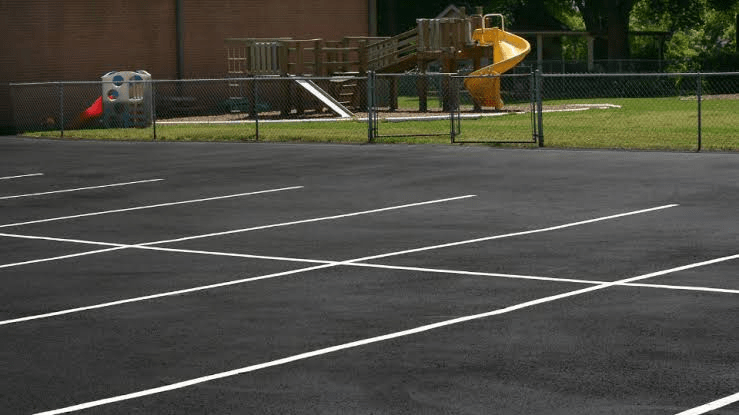
Improving Safety and Organization With Clear and Durable Pavement Markings
Well-maintained pavement plays an important role in the appearance, organization, and safety of commercial and public properties. While smooth asphalt and concrete surfaces provide the foundation for vehicles and pedestrians, clear markings are what help people understand how those spaces should be used. Parking spaces, traffic lanes, directional arrows, pedestrian crossings, loading zones, fire lanes, and other designated areas all depend on visible pavement markings. Over time, however, exposure to sunlight, rain, vehicle traffic, dirt, chemicals, and repeated wear can cause painted lines to fade or become difficult to recognize. When markings lose their visibility, parking areas can become disorganized and drivers may have difficulty identifying designated spaces or traffic patterns. Professional pavement striping provides an effective way to restore clarity, improve traffic organization, and give paved areas a cleaner and more professional appearance.
Understanding the Purpose of Pavement Markings
Pavement markings serve several purposes beyond making a parking lot look neat. They establish visual boundaries that help drivers understand where vehicles should travel, park, stop, or yield. Clear lines can help organize available space and reduce confusion, particularly in busy parking lots and commercial properties where vehicles and pedestrians frequently interact. Directional arrows can guide drivers through designated routes, while pedestrian crossings provide clearly defined areas for people walking between parking spaces and buildings.
Markings can also communicate restrictions and special-use areas. Fire lanes, accessible parking spaces, loading zones, no-parking areas, and reserved spaces need to be visually identifiable so that they are not accidentally blocked or misused. A well-planned marking layout can make better use of available pavement while creating a more predictable environment for everyone using the property. Because pavement markings are exposed to constant traffic and weather, maintaining them should be considered an important part of overall property management rather than simply an occasional cosmetic improvement.
Signs That Existing Striping Needs Attention
One of the clearest indications that a paved area needs new markings is fading. Lines that were once highly visible may gradually become dull, thin, or partially worn away. In some cases, only sections of a marking may remain visible, creating an inconsistent appearance throughout the property. Parking spaces can become especially difficult to identify when lines fade because drivers may park at different angles or positions, reducing the efficiency of the available space.
Cracked or peeling paint can also indicate that markings need attention. Heavy traffic, surface contamination, improper application, and weather exposure can all contribute to premature deterioration. If arrows, symbols, accessible parking markings, or other important pavement graphics are no longer clearly recognizable, property owners should consider restoring them. Waiting until markings are almost completely gone can make it harder for drivers and pedestrians to understand the intended layout and may create unnecessary confusion.
The Importance of Proper Planning
Successful striping begins with planning. Before any paint is applied, the layout should be evaluated to determine where lines, symbols, arrows, and other markings are needed. Existing parking arrangements may need to be reviewed to ensure that spaces are positioned efficiently and that vehicle movement remains practical. Property owners may also want to consider whether the current layout continues to meet the needs of the business or facility.
Planning is particularly important when a property is being newly paved or when an existing parking lot is being redesigned. Once the pavement is marked, changes can be more complicated if the layout was not carefully considered beforehand. Measurements, traffic flow, parking requirements, pedestrian movement, and access points should all be taken into account. A professional contractor can help identify potential layout problems before installation begins and recommend a marking plan that uses the available space effectively.
Preparing the Pavement Surface
Surface preparation has a major influence on the quality and longevity of pavement markings. Paint or marking material needs a reasonably clean and suitable surface to adhere properly. Dirt, loose debris, oil, grease, standing water, and other contaminants can interfere with application and may cause markings to deteriorate sooner than expected.
Before striping begins, the pavement should be inspected and prepared according to its condition. Loose debris may need to be removed, while heavily contaminated areas may require more thorough cleaning. Newly paved surfaces may also require sufficient curing time before markings are applied. The appropriate timing depends on the pavement material, weather conditions, and recommendations associated with the marking product. Applying paint without considering the condition of the pavement can result in poor adhesion and inconsistent coverage.
Choosing Appropriate Marking Materials
Different pavement marking materials are available for different applications and performance requirements. Traditional traffic paints are commonly used for parking lots and other areas where clear, economical markings are needed. More specialized products may be appropriate where higher durability, greater visibility, or particular performance characteristics are required.
The selection should consider factors such as traffic volume, pavement type, climate, expected wear, and the purpose of the marking. High-traffic areas may require materials capable of withstanding frequent vehicle movement, while lower-use private areas may have different requirements. The color and finish should also be selected carefully so that markings remain visible against the pavement. Professional contractors can recommend products based on the conditions of the property rather than simply applying the same material to every project.
Creating More Organized Parking Areas
Parking lot striping can have a major impact on how efficiently a property uses its available space. Clearly defined parking spaces help drivers position vehicles consistently, which can reduce wasted space and improve circulation. Without visible boundaries, vehicles may be parked at inconsistent angles or positions, leaving unnecessary gaps and making the parking area appear disorganized.
A well-designed layout can also improve the experience of customers and visitors. Clearly marked spaces make it easier for people to understand where they should park and how to move through the property. Directional markings can further clarify entrances and exits, especially when a parking area has multiple access points or one-way traffic patterns. For businesses, this organization can contribute to a more professional first impression.
Improving Pedestrian Safety
Vehicles are not the only users of parking lots and paved areas. Pedestrians frequently move between parking spaces, sidewalks, entrances, loading areas, and other parts of a property. Clearly marked pedestrian crossings can help identify areas where drivers should expect people to cross.
Additional pavement symbols and directional markings can help separate pedestrian and vehicle movement where appropriate. However, markings should be considered part of a broader safety strategy rather than a replacement for proper site design, lighting, signage, and traffic management. The most effective parking environments combine clear visual information with practical circulation patterns and appropriate safety measures.
Maintaining Accessible Parking Markings
Accessible parking spaces require clear identification so that designated areas can be easily recognized. Markings may include parking-space lines, accessibility symbols, access aisles, and related pavement graphics. Because these areas serve an important purpose, faded or damaged markings should be addressed promptly.
Property owners should ensure that their parking layout and markings are consistent with applicable accessibility requirements. Specific dimensions, signage, placement, and other requirements can vary according to jurisdiction and property type, so professional guidance may be appropriate when a layout is being created or significantly modified. Clear markings make designated spaces easier to identify and contribute to an organized parking environment.
Refreshing Directional Arrows and Symbols
Parking lots often use directional arrows to guide drivers through entrances, exits, lanes, and turning areas. Over time, these markings can become faded or partially erased by traffic. When an arrow is difficult to recognize, drivers may hesitate or make unexpected movements, particularly in busy areas.
Refreshing arrows, stop markings, loading-zone symbols, and other pavement graphics can restore the visual communication system of the property. These elements should be placed where they are easily visible and should correspond logically with the actual traffic flow. A marking should never create confusion by directing vehicles toward an obstruction or conflicting with the property’s current layout.
Considering Weather and Traffic Conditions
Weather and traffic conditions have a direct effect on pavement markings. Sunlight can gradually degrade exposed paint, while rain and moisture can contribute to surface wear. Frequent vehicle movement creates additional abrasion, particularly in turning areas, entrances, exits, and heavily used parking spaces.
Because wear rates vary, there is no single maintenance schedule that works for every property. A low-traffic parking area may retain its markings for considerably longer than a busy commercial lot. Regular visual inspections can help property managers determine when markings are becoming difficult to see. Scheduling maintenance before lines disappear completely can help preserve a consistent appearance and prevent the parking layout from becoming unclear.
Timing the Striping Project
The timing of a striping project can influence the quality of the final result. Many marking products require suitable surface and weather conditions for proper application and curing. Rain, excessive moisture, extreme temperatures, or other unfavorable conditions can interfere with installation.
Property managers should also consider the operational needs of the business. Striping may require temporary restrictions on parking or vehicle movement, so scheduling the work during quieter periods can minimize disruption. A professional contractor can explain the expected preparation, application, drying, and reopening process so that the property can plan accordingly.
Why Professional Application Matters
Although parking lines may appear simple, achieving a professional result requires careful measurement, preparation, equipment, and application techniques. Uneven lines, inconsistent spacing, poorly positioned symbols, and overspray can make a property look unprofessional and may create practical problems. Professional striping contractors typically use specialized equipment designed to produce consistent line widths and clean edges.
Experienced professionals can also account for the existing pavement condition and layout. They can identify areas where repairs or cleaning may be necessary before marking begins. Their familiarity with pavement marking practices can help ensure that lines, arrows, symbols, and designated spaces are applied consistently throughout the property.
Extending the Life of New Markings
Once new markings have been installed, proper pavement maintenance can help extend their useful life. Keeping the surface reasonably clean can reduce the accumulation of substances that contribute to deterioration. Promptly addressing oil leaks, standing water, pavement damage, and other problems can also protect both the pavement and its markings.
Heavy equipment or construction activities should be managed carefully around newly marked areas. Dragging materials across painted surfaces or allowing unnecessary vehicle traffic before markings have properly cured can affect the finish. Property managers should follow the contractor’s recommendations regarding when the area can safely return to normal use.
Integrating Striping With Pavement Maintenance
Pavement striping is most effective when it is incorporated into a broader pavement maintenance program. Cracks, potholes, drainage problems, and surface deterioration should not be ignored simply because the markings themselves appear worn. New lines applied to severely damaged pavement may improve appearance temporarily but will not address underlying surface problems.
When resurfacing or sealcoating is planned, striping can often be scheduled as part of the overall project. The pavement surface should be prepared appropriately before new markings are applied so that the lines remain clear and durable. Coordinating these tasks can create a more uniform appearance and reduce the need to close or disrupt the property multiple times.
Improving the Appearance of a Property
A freshly marked parking lot can significantly improve the appearance of a commercial property. Clean, straight lines create a sense of order and demonstrate that the property is being actively maintained. This can influence the first impression customers, visitors, employees, and tenants have when they arrive.
Appearance is not merely about aesthetics. An organized parking area can make it easier for people to navigate the property and understand where they are permitted to park or drive. Clear markings provide visual structure, while a maintained pavement surface reinforces the impression that the property is cared for. For businesses that welcome customers regularly, this combination can contribute to a more professional environment.
Planning for Long-Term Maintenance
Property owners can reduce unexpected maintenance problems by establishing a long-term pavement management plan. Instead of waiting until markings are completely faded, managers can inspect parking areas periodically and record areas showing significant wear. These observations can help determine when repainting should be scheduled.
Maintenance records can also be useful for tracking the performance of different materials and identifying areas that require more frequent attention. If specific lines repeatedly wear faster than others, the cause may be unusually heavy traffic, turning movements, drainage issues, or another site-specific factor. Understanding these patterns can help property managers make better maintenance decisions in the future.
Making a Smart Investment
For property owners considering pavement striping, the most effective approach is to view the project as an investment in organization, safety, appearance, and long-term property management. Clear markings can make better use of available parking space, help direct vehicle movement, identify important areas, and provide pedestrians with clearer visual information.
The quality of the final result depends on more than the paint itself. Proper layout planning, surface preparation, material selection, weather conditions, application techniques, and ongoing maintenance all contribute to performance. Choosing an experienced contractor and establishing realistic maintenance expectations can help ensure that the investment provides lasting value.
Final Thoughts
Clear pavement markings are an essential part of a well-organized parking or traffic area. Over time, normal vehicle use, weather exposure, sunlight, dirt, and surface deterioration can cause markings to fade and become difficult to recognize. When this happens, refreshing the lines and symbols can restore clarity while improving the overall appearance of the property.
Pavement striping should be approached as part of a comprehensive maintenance strategy rather than as a purely cosmetic service. Careful planning, proper surface preparation, suitable materials, professional application, and regular inspections can all contribute to longer-lasting results. Property owners should also evaluate the condition of the pavement itself and address underlying damage when necessary.
By maintaining visible parking spaces, directional arrows, pedestrian crossings, accessible areas, loading zones, and other important markings, property managers can create a more organized environment for drivers, pedestrians, employees, customers, and visitors. A clearly marked paved area communicates order and attention to detail while supporting efficient use of the property. With proper maintenance and timely repainting, pavement markings can remain an effective and valuable part of a property’s overall infrastructure for years to come.