Maintenance Practices That Extend Bluff Trailer Lifespan
Trailers are valuable investments that serve a wide variety of purposes, from transporting equipment and vehicles to supporting agricultural, recreational, and commercial operations. Whether used occasionally or daily, trailers are exposed to significant wear from road conditions, weather, heavy loads, and frequent travel. Proper maintenance is essential for preserving safety, reliability, and long-term performance while helping owners avoid costly repairs and premature replacement.
Owners searching for a Poplar Bluff trailer often recognize the importance of selecting a durable trailer, but maintaining that durability requires ongoing care. Consistent inspection routines, preventive maintenance, and proper storage practices can significantly extend a trailer’s lifespan. By understanding the key maintenance practices that protect critical components, owners can maximize the value of their investment and ensure dependable operation for years to come.
Conduct Regular Visual Inspections
One of the simplest yet most effective maintenance practices is performing routine visual inspections.
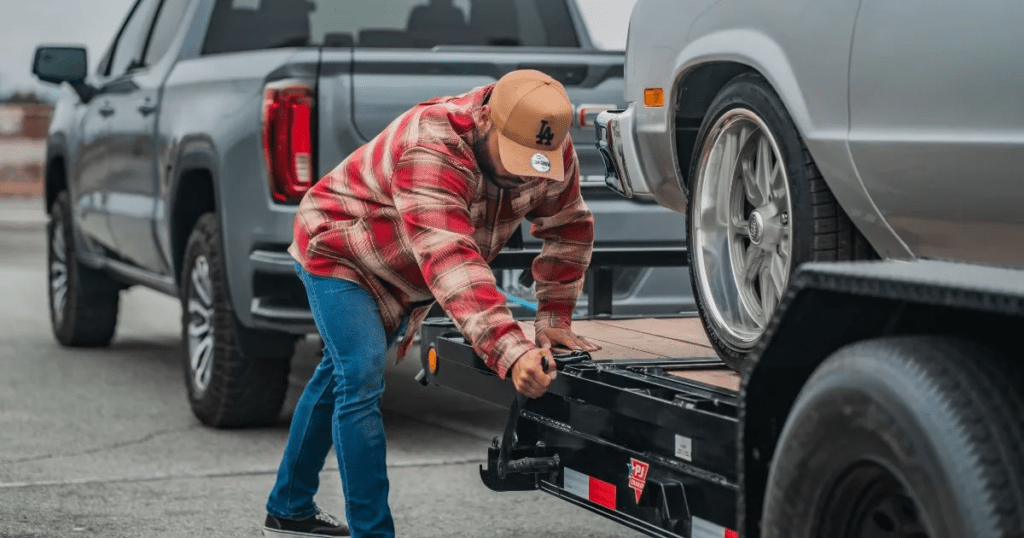
Before and after each use, trailer owners should examine the entire unit for signs of damage, wear, or deterioration. This includes checking the frame, tires, lights, hitch components, safety chains, wiring, and cargo areas.
Identifying minor problems early often prevents them from developing into more expensive repairs. Regular inspections create opportunities to address issues before they compromise safety or performance.
Keep the Trailer Clean
Dirt, mud, road salt, and debris can gradually damage trailer surfaces and components if left untreated.
Washing the trailer regularly helps remove contaminants that contribute to corrosion and premature wear. Particular attention should be given to the undercarriage, wheel wells, frame, and suspension components, where debris tends to accumulate.
Cleaning also makes inspections easier by exposing potential issues that may otherwise remain hidden beneath dirt and grime.
Protect Against Rust and Corrosion
Rust is one of the greatest threats to trailer longevity.
Trailers frequently encounter moisture, road salt, and environmental conditions that accelerate corrosion. Owners should inspect metal surfaces regularly for signs of rust and address affected areas promptly.
Applying protective coatings, rust inhibitors, and touch-up paint can help shield exposed metal from environmental damage. Maintaining protective finishes contributes significantly to preserving structural integrity over time.
Monitor Tire Condition Carefully
Trailer tires play a critical role in safety, stability, and overall performance.
Regularly inspect tires for adequate tread depth, uneven wear patterns, cracks, bulges, and embedded debris. Tire pressure should be checked frequently and adjusted according to manufacturer recommendations.
Underinflated or overinflated tires can lead to poor handling, reduced fuel efficiency, excessive wear, and an increased risk of blowouts. Proper tire maintenance helps extend tire life while improving towing safety.
Rotate and Replace Tires When Necessary
Even with proper inflation, trailer tires eventually wear out and require replacement.
Rotating tires when appropriate can help promote even wear and maximize service life. Owners should also pay attention to tire age, as rubber compounds deteriorate over time regardless of tread depth.
Replacing aging or damaged tires before failure occurs is an important step in maintaining trailer reliability and safety.
Inspect Wheel Bearings Regularly
Wheel bearings are essential components that allow wheels to rotate smoothly and efficiently.
Over time, bearings can lose lubrication, become contaminated, or experience wear. Regular inspection and repacking of wheel bearings help prevent overheating and component failure.
Bearing maintenance intervals may vary depending on usage conditions, but periodic servicing is critical for trailers that travel long distances or carry heavy loads.
Lubricate Moving Components
Proper lubrication helps reduce friction, prevent corrosion, and extend the lifespan of moving parts.
Trailer owners should regularly lubricate couplers, hinges, jacks, suspension components, and other moving mechanisms according to manufacturer recommendations. Applying the correct lubricant helps maintain smooth operation and minimizes unnecessary wear.
Consistent lubrication also reduces the likelihood of parts seizing or becoming difficult to operate.
Check the Suspension System
The suspension system absorbs road impacts and helps protect both the trailer and its cargo.
Inspect leaf springs, equalizers, shackles, bushings, and mounting hardware for signs of wear, cracking, or corrosion. Damaged suspension components can affect handling, stability, and load distribution.
Addressing suspension issues promptly helps maintain ride quality and prevents additional stress on other trailer systems.
Maintain the Braking System
For trailers equipped with brakes, regular maintenance is essential for safe operation.
Inspect brake pads, drums, rotors, wiring connections, and hydraulic or electric components according to manufacturer recommendations. Brake systems should respond smoothly and consistently without unusual noises or performance issues.
Routine brake maintenance helps ensure reliable stopping power and reduces the risk of accidents while towing.
Test Lighting and Electrical Systems
Trailer lighting systems are critical for visibility and communication with other drivers.
Before each trip, verify that brake lights, turn signals, running lights, and hazard lights function properly. Inspect wiring harnesses and connectors for corrosion, loose connections, or physical damage.
Reliable lighting systems improve safety and help maintain compliance with transportation regulations.
Inspect the Hitch and Coupler
The hitch connection serves as the critical link between the towing vehicle and trailer.
Owners should inspect couplers, hitch balls, safety chains, pins, and locking mechanisms before every trip. Components should fit securely and show no signs of excessive wear or damage.
A properly maintained hitch system enhances towing stability and reduces the likelihood of dangerous disconnects during travel.
Avoid Overloading the Trailer
Exceeding a trailer’s rated capacity can significantly shorten its lifespan.
Overloading places excessive stress on the frame, suspension, tires, brakes, and axles. Repeated overload conditions accelerate wear and increase the risk of structural damage.
Owners should understand their trailer’s weight ratings and ensure that cargo remains within recommended limits. Proper load management contributes directly to long-term durability.
Distribute Cargo Properly
Weight distribution is just as important as total load weight.
Uneven loading can create instability, excessive tire wear, suspension strain, and handling difficulties. Cargo should be positioned to maintain proper tongue weight and balanced load distribution.
Correct loading practices help protect trailer components while improving towing performance and safety.
Inspect the Trailer Frame
The frame serves as the foundation of the trailer and should receive regular attention.
Inspect welds, cross members, support structures, and attachment points for cracks, corrosion, or signs of fatigue. Even small structural issues can worsen over time if left unaddressed.
Routine frame inspections help identify concerns early and support long-term structural integrity.
Maintain Flooring and Deck Surfaces
Trailer flooring experiences significant wear from cargo, equipment, weather exposure, and daily use.
Wooden floors should be inspected for rot, moisture damage, and loose boards. Metal surfaces should be monitored for corrosion and structural deterioration.
Applying protective treatments and replacing damaged sections when necessary helps preserve functionality and safety.
Store the Trailer Properly
Proper storage plays a major role in extending trailer lifespan.
Whenever possible, trailers should be stored in covered or sheltered environments that protect them from direct sunlight, rain, snow, and other environmental conditions. If indoor storage is unavailable, quality covers can provide additional protection.
Long-term exposure to weather accelerates deterioration of tires, paint, seals, wiring, and structural components.
Protect Seals and Weatherproof Components
Trailers often contain seals around doors, windows, compartments, and access panels.
Inspect these seals regularly for cracking, shrinking, or damage. Maintaining effective weatherproofing helps prevent moisture intrusion that could damage cargo areas, electrical systems, or structural components.
Replacing worn seals promptly helps preserve overall trailer condition.
Keep Maintenance Records
Documenting maintenance activities provides valuable long-term benefits.
Detailed records help owners track service intervals, inspections, repairs, and component replacements. Maintenance logs can also increase resale value by demonstrating responsible ownership and proper care.
Consistent documentation makes it easier to identify recurring issues and plan preventive maintenance schedules.
Schedule Professional Inspections
While many maintenance tasks can be performed by owners, professional inspections remain valuable.
Qualified technicians can identify hidden problems involving brakes, bearings, suspension systems, electrical components, and structural elements. Periodic professional evaluations help ensure that trailers remain safe and roadworthy.
Combining owner maintenance efforts with expert inspections creates a comprehensive approach to trailer care.
Conclusion
Extending the lifespan of a trailer requires a proactive commitment to maintenance, inspection, and responsible operation. Regular cleaning, rust prevention, tire care, bearing service, brake maintenance, and proper storage all contribute to preserving performance and reliability. By addressing small issues before they become major problems, owners can significantly reduce repair costs and improve long-term durability.
Whether a trailer is used for work, recreation, agriculture, or transportation, consistent maintenance protects both the investment and the safety of those who rely on it. Through routine inspections, proper loading practices, and ongoing preventive care, trailer owners can enjoy dependable service and maximize the value of their equipment for many years to come.