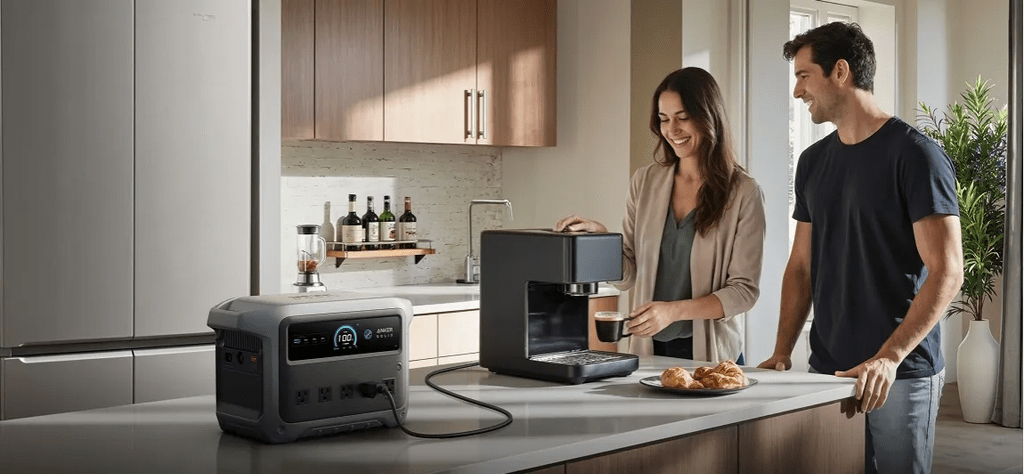
Lightweight vs Powerful Portable Power Stations
Lightweight vs powerful portable power stations comes down to one core tradeoff: easier carrying or stronger backup performance. A smaller unit is simpler to move, store, and bring on trips, while a higher-power model runs larger appliances longer and supports more demanding situations. The right choice depends on how you plan to use it, what devices you need to power, and how often portability matters. For camping, travel, and charging daily electronics, compact designs often make more sense. For outages, tools, and high-wattage appliances, a more powerful station delivers the capacity, output, and runtime needed for reliable support at home.
Lightweight and Powerful Portable Power Stations Explained
What Defines a Lightweight Power Station
A lightweight power station prioritizes mobility, compact size, and simple handling. These models are designed for users who need convenient power away from outlets without carrying excessive weight or bulk. They usually offer enough battery capacity for phones, laptops, cameras, routers, lights, and small appliances, while remaining easy to lift into a car, RV, or campsite. A compact model such as the SOLIX C1000 Gen 2 emphasizes portability while offering 1,024Wh capacity and 2,000W output, making it a strong example of a portable unit that still delivers meaningful everyday power.
What Makes a Power Station Powerful
A powerful portable power station is defined by high battery capacity, strong continuous output, and the ability to run larger appliances or multiple devices at once. These models are built for demanding use cases such as home backup, job sites, RV systems, and emergency preparedness. Higher wattage supports equipment like refrigerators, microwaves, power tools, and space heaters more effectively than smaller units. Larger solutions such as the SOLIX F3800 Plus focus on home backup with 3.84kWh capacity, 6,000W output, and expandable energy storage to 53.8kWh for extended runtime and broader whole-home support.
Comparing Lightweight vs High-Power Models by Key Factors
Portability and Ease of Transportation
Portability is the clearest difference between lightweight and high-power models. Lightweight units are easier to carry with one hand, load into a vehicle, store in a closet, or move around a campsite. That convenience matters when you travel often or need power in different locations. High-power stations are less convenient to transport because larger batteries and stronger inverters add size and weight. Many are better suited to semi-fixed placement in a garage, RV, or backup area. If frequent movement is part of your routine, a lighter model offers a far better day-to-day user experience overall.
Battery Capacity and Runtime Performance
Battery capacity determines how long a portable power station can run your devices before recharging. Lightweight models usually provide enough stored energy for short trips, mobile work, or overnight essentials, but their runtime drops faster when powering energy-hungry appliances. High-power models hold much more energy, so they can support refrigerators, medical devices, lighting, and communication gear through longer outages. Greater capacity also reduces recharge frequency, which is useful during emergencies or off-grid stays. If runtime is your top priority, especially for home backup, a larger power station gives a clearer advantage than a lighter one.
Output Power and Appliance Compatibility
Output power determines which appliances a portable power station can start and run safely. Lightweight models generally handle personal electronics, CPAP machines, fans, monitors, small kitchen gear, and other moderate loads. They are practical for users with modest power needs and fewer simultaneous devices. High-power models support heavier equipment, including large refrigerators, pumps, power tools, and multiple appliances running together. That higher inverter output is essential when startup surges or sustained wattage demands are significant. Choosing the right output level prevents overloads and ensures the station can support your actual devices instead of only charging basics.

Which Type of Portable Power Station Fits Different Users?
Lightweight Models for Camping, Travel, and Daily Electronics
Lightweight models fit users who value convenience, mobility, and fast access to portable energy. They are ideal for camping trips, road travel, tailgating, remote work, photography, and daily electronics charging. A smaller station can easily power phones, tablets, laptops, speakers, lights, drones, and compact accessories without becoming a burden to carry. It also suits apartment dwellers who want backup for internet equipment and essential personal devices. If your typical use involves moving the unit frequently and powering lower-wattage gear, a lightweight portable power station is the better fit for comfort, flexibility, and practical everyday use.
Powerful Models for Home Backup and Heavy-Duty Applications
Powerful models are best for users who need serious backup capability rather than maximum portability. They suit homeowners preparing for outages, RV users running larger onboard systems, contractors using demanding tools, and anyone powering essential appliances for extended periods. Higher capacity and output make them more dependable for refrigerators, freezers, sump pumps, cooking devices, and multi-room backup needs. They also provide more room for future energy demands, especially when expandable storage is available. If your priority is keeping critical equipment running reliably during emergencies or high-load tasks, a powerful station is the more capable long-term choice.
Conclusion
Lightweight and powerful portable power stations serve different priorities, and the best choice is the one that matches your real power needs. Pick a lightweight model if you want easy transport, convenient charging for personal devices, and flexible use for travel or recreation. Choose a powerful model if you need longer runtime, higher output, and stronger support for home backup or heavy-duty equipment. In simple terms, portability favors mobility, while power favors resilience. By comparing weight, capacity, output, and intended use together, you can confidently select a portable power station that performs well without paying for the wrong type of capability.