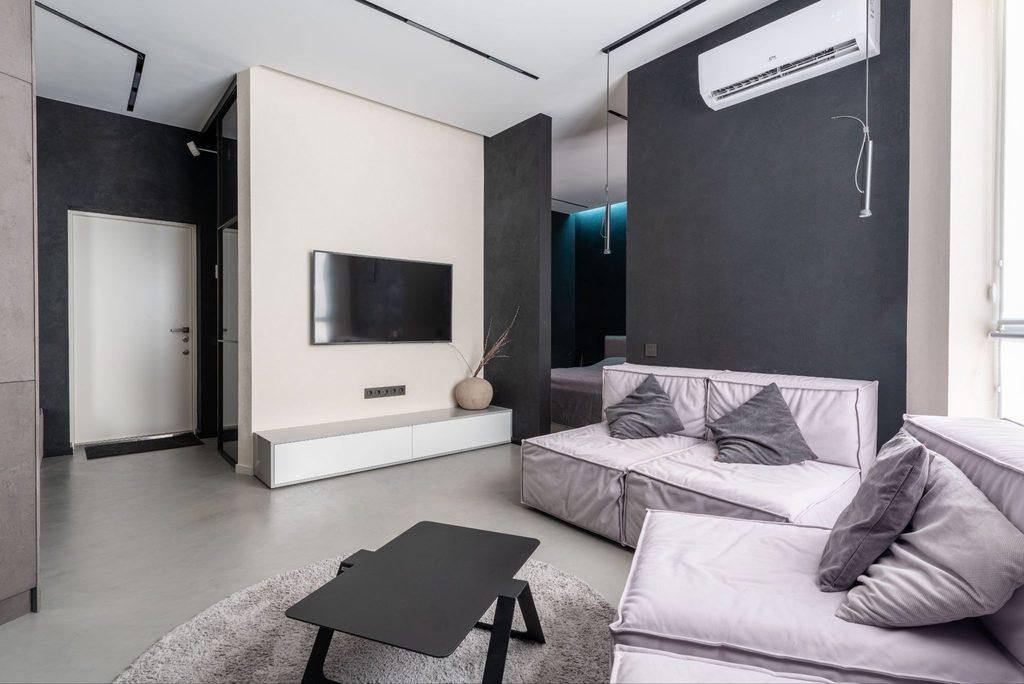
How To Choose The Right Air Conditioner For Your Australian Home With Bi-Rite Home Appliances
Buying an air conditioner based on sticker price alone is one of the fastest ways to end up with a noisy bedroom, warm corners in your living room, and a quarterly electricity bill that makes you wince. Choose a unit that is too small and the compressor runs flat-out all afternoon without ever dropping the room temperature. Choose one that is too large and it short-cycles—turning on and off every few minutes while leaving the air clammy and humid.
Getting climate control right comes down to three practical checks: matching kilowatt (kW) output to your room dimensions, reading the Zoned Energy Rating Label for your postcode, and picking the right installation style. With more than 65 locally owned stores across regional and metropolitan Australia, Bi-Rite Home Appliances helps homeowners compare trusted brands like Mitsubishi, Fujitsu, Panasonic, Haier, and Teco side by side before committing to an installation.
Match kilowatt (kW) capacity to your exact room size
Before looking at smart Wi-Fi apps or air-purifying filters, calculate the cooling and heating output your space actually requires. Air conditioner capacity is measured in kilowatts (kW)—the higher the figure, the more heat the system moves out of your room.
As a practical starting baseline for standard 2.4-metre Australian ceiling heights, use these room-area brackets:
- 10 to 20 square metres (bedrooms and home offices): Select a 2.0kW to 2.5kW system.
- 20 to 40 square metres (master bedrooms and standard living rooms): Select a 3.5kW to 5.0kW system.
Bi-Rite Home Appliances - 40 to 60 square metres (open-plan kitchen, dining, and family zones): Select a 6.0kW to 7.1kW system.
Bi-Rite Home Appliances - 60 to 80 square metres (large open living areas with high ceilings): Step up to an 8.0kW to 9.5kW system.
Floor area alone tells only half the story. Add roughly 10% to 15% extra capacity if your room has large west-facing glass windows that catch harsh afternoon sun, poor ceiling insulation, cathedral ceilings above 2.7 metres, or an open stairwell where cool air sinks downstairs.
“People often buy a 2.5kW unit for a sunny living area to save $300 upfront, then wonder why the room stays at 27 degrees during a February heatwave. Sizing the compressor to the room’s heat load—not just the floor tape—keeps running costs down and extends the life of the unit.” — Marcus Thorne, Residential HVAC Technician
Compare split systems, portable units, and box air conditioners
Not every Australian property allows permanent wall penetrations or external condensers. Renters, apartment owners with strict body corporate rules, and homeowners cooling a detached studio each need a different style of unit.
- Reverse-cycle split systems pair a quiet indoor wall head with an outdoor compressor unit connected by refrigerant piping. They deliver both summer cooling and winter heating at roughly a third of the running cost of portable electric bar heaters, making them the best long-term choice for homeowners.
Bi-Rite Home Appliances+ 1 - Portable air conditioners sit on castors inside the room and vent warm air out through a window slider kit. They require zero trade installation and move easily from a living room by day to a bedroom at night, though they generate higher indoor noise (around 50 to 55 decibels) and cool smaller spaces less efficiently than split systems.
- Box (window/wall) air conditioners house every component inside a single compact chassis that slides into a window frame or structural wall sleeve. They remain a durable, budget-friendly workhorse for older brick homes, granny flats, and regional properties.
When browsing air conditioning for sale through Bi-Rite Home Appliances, you can filter directly across split systems, portable units, and box air conditioners—and speak with local store staff who understand regional housing styles and delivery access.
Read the Zoned Energy Rating Label for your climate
Every non-ducted air conditioner sold in Australia carries the Zoned Energy Rating Label (ZERL). Instead of giving a single generic efficiency score, the label breaks performance down across three distinct Australian climate zones so you know how a unit performs where you actually live:
Faze Electrical+ 1
- Hot zone (White band — Brisbane, Darwin, and northern Australia): Focus on the blue cooling stars and annual cooling kWh figures, since your system spends October through May fighting heat and humidity.
Faze Electrical - Average zone (Grey band — Sydney, Perth, and Adelaide): Balance both the blue cooling stars and red heating stars equally, as your system works hard across hot summers and chilly winter mornings.
- Cold zone (Black band — Melbourne, Canberra, and Hobart): Prioritise the red heating stars and low-temperature heating output at 2°C outside, where cheaper units lose efficiency.
Comparing models within the same kilowatt size reveals meaningful bill differences. Stepping up from a 2-star cooling rating to a 5-star or 6-star inverter model cuts annual cooling electricity consumption by 35% to 45%.
Fujitsu General Australia
Check noise levels, filters, and installation clearances before buying
Once you narrow down your kilowatt size and star rating, inspect the practical specs that affect daily comfort:
- Indoor decibel ratings (dBA): For bedrooms and studies, look for a quiet mode rated at 19 to 22 dBA—roughly the sound of rustling leaves.
- Washable anti-allergen filters: Fine mesh and catechin or HEPA-grade filters trap dust mites, pollen, and bushfire smoke particles while keeping the indoor coil clean.
- Wall and ceiling clearances: Most indoor wall heads require at least 100mm to 150mm of clear space above the unit for intake airflow and unobstructed wall width (typically 800mm to 1100mm) between window frames and cornices.
- Back-to-back installation access: Mounting the indoor head on an external wall with the outdoor condenser directly behind it keeps licensed refrigeration installation straightforward and avoids extra copper piping charges.
How Bi-Rite Home Appliances simplifies your upgrade
Choosing the right air conditioner becomes far easier when you combine accurate room measurements with local retail advice. At Bi-Rite Home Appliances, you can compare capacities, noise ratings, and seasonal deals across leading brands online or in person at your nearest local store, then arrange Click & Collect or fast local home delivery straight to your door.
Set your thermostat to 24°C or 25°C in summer and 19°C or 20°C in winter once your new unit is installed. Every single degree cooler in summer adds roughly 5% to 10% to your running cost, so pairing a properly sized inverter unit with sensible temperature habits keeps your home comfortable and your power bills predictable all year round.