Key Benefits of Home Renovation for Improving Interior Comfort, Modern Functionality, Energy Performance, and Long-Term Value
A home should provide a comfortable, functional, and welcoming environment that supports the daily needs of everyone living in it. As lifestyles change and properties age, certain rooms and features can become outdated, inefficient, or difficult to use. Limited storage, aging fixtures, poor layouts, insufficient lighting, and inefficient systems can gradually affect everyday comfort and convenience. Home renovation provides homeowners with an opportunity to improve these areas while creating spaces that better reflect their current needs and preferences. When carefully planned, a renovation can combine practical upgrades with attractive design improvements, making the property more enjoyable to live in while potentially increasing its long-term value.
Improving Interior Comfort
Comfort is one of the primary reasons homeowners decide to improve their properties. Rooms that are poorly ventilated, inadequately insulated, or badly arranged can make everyday living less enjoyable. Renovation can address these concerns through improvements to insulation, windows, ventilation, flooring, lighting, and room layouts. Home renovation can also help create spaces that feel warmer in colder conditions and more comfortable during warmer periods when appropriate efficiency upgrades are incorporated. Choosing materials and systems based on the home’s specific needs can provide meaningful improvements without focusing solely on cosmetic changes. A comfortable interior should support relaxation, work, entertainment, and everyday routines.
Creating Modern Functionality
A home’s functionality should evolve as the needs of its occupants change. A layout that worked well several years ago may no longer provide enough storage, workspace, or flexibility for current routines. Home renovation can help transform outdated spaces into areas that are easier to use and better suited to modern lifestyles. Improvements may include redesigned kitchens, updated bathrooms, additional storage, flexible rooms, improved lighting, and more efficient circulation between spaces. Functional design should focus on how people actually use each room rather than following trends without considering practicality. When every part of a space has a clear purpose, the entire home can feel more organized and convenient.
Updating the Kitchen
The kitchen is often one of the busiest rooms in a home, so its layout and equipment can have a major effect on daily routines. Older kitchens may have insufficient counter space, outdated appliances, limited storage, or inefficient arrangements that make cooking and cleaning more difficult. Home renovation can introduce improved cabinets, durable countertops, modern appliances, better lighting, and storage solutions designed around the homeowner’s needs. The placement of work surfaces, appliances, sinks, and storage should allow people to move efficiently between different tasks. Materials should also be selected for durability and ease of maintenance. A well-designed kitchen can improve everyday convenience while creating an attractive gathering space for family and guests.
Modernizing Bathroom Spaces
Bathrooms require careful attention because they experience frequent use and constant exposure to moisture. Aging fixtures, worn surfaces, poor ventilation, insufficient storage, and inefficient layouts can reduce both comfort and functionality. Home renovation can update bathrooms with modern fixtures, improved lighting, better storage, durable surfaces, and water-efficient features. Ventilation should also be considered because effective moisture control can help protect walls, ceilings, fixtures, and other surfaces. Homeowners should prioritize practical improvements that make the space easier to use and maintain. A modern bathroom can provide greater comfort while contributing to the overall appearance and functionality of the property.
Improving Energy Performance
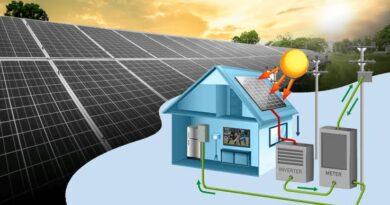
Energy efficiency is another important consideration when planning property improvements. Older windows, insufficient insulation, outdated lighting, and inefficient heating or cooling systems can contribute to unnecessary energy use. Home renovation can provide an opportunity to identify and address these issues through targeted upgrades. Improvements may include better insulation, energy-efficient windows, improved air sealing, efficient lighting, and modern mechanical systems. Homeowners should evaluate the property’s existing condition before deciding which upgrades to prioritize. Focusing on areas with the greatest potential impact can make the renovation more practical and help improve both indoor comfort and energy performance.
Increasing Natural Light
Natural light can influence how spacious, attractive, and comfortable a room feels. Dark interiors may appear smaller, while rooms with balanced natural lighting can feel more open and inviting. Renovation projects can consider improvements such as larger windows, better window placement, glass doors, lighter finishes, or layout changes that allow daylight to reach more areas. Home renovation can combine natural lighting improvements with carefully designed artificial lighting to create a comfortable environment throughout the day. Each room may require a different lighting approach based on its purpose. Kitchens, work areas, living rooms, bedrooms, and bathrooms can all benefit from lighting designs that support their specific functions.
Creating Better Storage
Storage is an essential part of maintaining an organized home. Without sufficient storage, belongings can accumulate in living areas and create clutter that makes rooms feel smaller and less functional. Home renovation can introduce built-in cabinets, improved closets, pantry systems, shelving, laundry storage, and other solutions designed around actual household requirements. Instead of adding storage randomly, homeowners should identify the items they need to organize and determine where they are most frequently used. Properly designed storage can make everyday tasks easier because important items remain accessible without occupying valuable living space. Good storage planning can therefore improve both appearance and functionality.
Selecting Durable Materials
Material selection has a long-term impact on the performance and maintenance requirements of a renovated space. Different areas of the home experience different types of wear, so materials should be chosen according to their intended use. Kitchens and bathrooms may require moisture-resistant surfaces, while entryways and hallways may need flooring that can handle frequent foot traffic. Home renovation projects should balance durability, appearance, maintenance, and cost when selecting materials. The cheapest option may not always provide the best long-term value, while the most expensive material may offer features that are unnecessary for a particular space. Thoughtful comparison can help homeowners choose materials that remain attractive and functional for years.
Planning a Realistic Budget
Budget planning is one of the most important parts of any renovation project. Costs may include materials, labor, design services, permits, equipment, waste removal, and unexpected repairs discovered during construction. Home renovation budgets should include a contingency amount rather than assigning every available dollar to planned improvements. Homeowners should distinguish between essential repairs and optional upgrades so that important work receives priority. Detailed estimates can help clarify the expected cost of each part of the project. A realistic budget also gives homeowners greater flexibility if unexpected conditions require changes during construction.
Hiring Qualified Professionals
Some renovation work can be handled by experienced homeowners, but specialized projects may require qualified professionals. Electrical, plumbing, structural, roofing, and other technical work should be completed by individuals with appropriate skills and experience. Home renovation often involves multiple trades, making communication and coordination particularly important. Before hiring a contractor, homeowners should consider experience, references, written estimates, insurance, project timelines, and contractual terms. Clear expectations can reduce misunderstandings and help keep the project organized. Professional workmanship can also improve the durability and quality of the finished renovation.
Improving Exterior Features
Renovation does not have to focus entirely on interior spaces. Exterior improvements can improve appearance, protection, and overall property performance. Doors, windows, siding, roofing, outdoor lighting, entryways, and other exterior elements may require upgrades or repairs as a property ages. Home renovation can incorporate these improvements as part of a broader plan to maintain the entire property. Structural and maintenance concerns should generally be addressed before purely decorative changes. Choosing durable exterior materials can help protect the property and reduce future maintenance requirements. A coordinated exterior can also complement improvements made inside the home.
Designing for Future Needs
A renovation should ideally provide benefits beyond the immediate moment. Household needs can change because of new family members, changing work arrangements, aging occupants, hobbies, or lifestyle adjustments. Home renovation can create more flexible spaces that adapt to these changes over time. Multifunctional rooms, accessible pathways, versatile storage, and durable materials can make a property more useful in the future. Homeowners should avoid making every decision based solely on temporary trends. A combination of timeless design and modern functionality can create spaces that remain attractive and practical for many years.
Managing the Construction Process
Renovation projects can involve many stages, from initial planning and design to construction, inspections, finishing, and cleanup. Without proper organization, delays and misunderstandings can increase stress and costs. Home renovation should begin with a clearly defined scope of work that explains the improvements being completed. A realistic timeline should identify major stages and dependencies between different tasks. Homeowners should maintain regular communication with contractors and address questions or concerns as soon as possible. Keeping records of estimates, material selections, invoices, schedules, and changes can make project management much easier.
Maintaining Quality Throughout the Project
Quality should remain a priority from the first stage of planning through the final finishing work. Poor installation, rushed decisions, unsuitable materials, or overlooked details can create problems that become expensive to correct later. Home renovation should emphasize proper preparation, accurate measurements, suitable materials, and careful workmanship. Homeowners should review completed stages before allowing the project to move too far forward, particularly when hidden work such as plumbing or electrical systems is involved. Addressing issues early is usually easier than correcting them after walls, floors, or cabinets have been finished. A commitment to quality can improve both the appearance and long-term performance of the renovated spaces.
Increasing Long-Term Property Value
A thoughtfully renovated property can become more appealing to both current occupants and potential future buyers. However, homeowners should focus on improvements that provide genuine practical benefits rather than assuming that every expensive upgrade will automatically increase value. Home renovation can contribute to long-term property appeal by improving kitchens, bathrooms, storage, energy performance, lighting, flooring, and overall functionality. Well-maintained features can create a stronger impression and reduce concerns about immediate repair needs. The most valuable improvements often combine attractive design with practical performance. Homeowners should therefore consider both personal enjoyment and future property goals when setting renovation priorities.
Conclusion
Renovation can provide homeowners with an opportunity to improve comfort, functionality, energy performance, appearance, and long-term property value. A successful project requires more than selecting attractive finishes because the underlying layout, materials, systems, budget, and workmanship all influence the final result. Home renovation can address outdated features while creating spaces that better support current lifestyles and future needs. Whether the goal is a modern kitchen, improved bathroom, better storage, increased natural light, greater energy efficiency, or a more functional layout, careful planning can make the process more successful. By establishing clear priorities, creating a realistic budget, selecting durable materials, and working with qualified professionals when necessary, homeowners can achieve meaningful improvements. A well-planned renovation can ultimately create a property that is more comfortable, efficient, functional, attractive, and valuable for years to come.