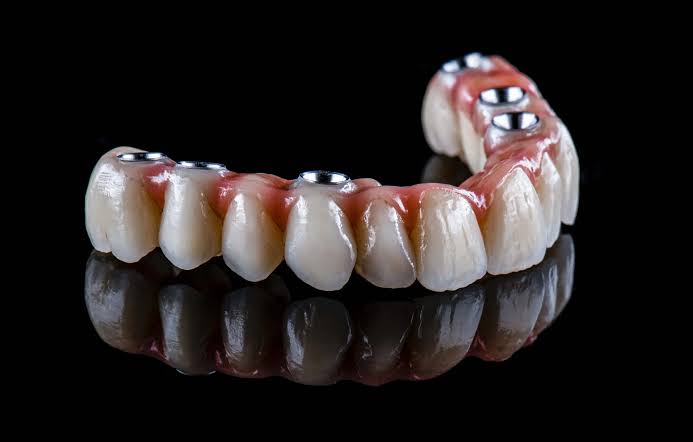
Implant-Supported Dentures: The Middle Ground Between Dentures and Full Implants at Great Expressions Dental Centers
Implant supported dentures use dental implants to provide a more stable foundation for a removable or fixed full-arch restoration. They can offer a middle-ground option for people who want greater stability than traditional dentures without necessarily replacing every missing tooth with an individual implant.
Losing several or all of your teeth can affect much more than your appearance. Eating certain foods may become difficult, and loose dentures can create daily frustration. Some people want a more secure option but aren’t sure whether they need a full set of individual dental implants.
That’s where implant supported dentures may enter the conversation. By combining dental implants with a denture designed to attach to them, this treatment can provide added support and stability. The right option depends on your oral health, bone structure, treatment goals, and whether you prefer a removable or fixed restoration.
Key Takeaways
- Implant-supported dentures use dental implants to support a replacement arch of teeth.
- They may provide greater stability than traditional removable dentures.
- Some implant-supported dentures are removable, while others may be fixed in place.
- Treatment requires an evaluation of your gums, jawbone, medical history, and overall oral health.
- Regular oral hygiene and professional follow-up remain important after treatment.
What Are Implant-Supported Dentures?
Traditional dentures rest primarily on the gums and underlying jaw ridge. They replace missing teeth, but they can move during chewing or speaking.
Implant-supported dentures work differently. Dental implants are placed into the jawbone and serve as anchors for a denture or full-arch restoration.
The restoration is designed to connect with the implants through specialized attachment components. This connection can provide more support than a conventional denture that rests only on the gums.
For many patients, the treatment represents a middle ground between two options. Traditional dentures may be less invasive, while replacing each missing tooth with a separate implant may not be necessary or appropriate.
The number of implants needed varies. Treatment planning depends on factors such as the jawbone, the type of restoration, the location of missing teeth, and the patient’s individual needs.
There are generally two broad approaches:
- Removable implant-supported dentures: The restoration attaches to implants but can be removed for cleaning.
- Fixed implant-supported restorations: The restoration is secured to implants and is removed by a dental professional when necessary.
Neither approach is automatically better for every patient. Your dental team can explain how each option works and what daily care it may require.
Great Expressions Dental Centers provides information about dental implants and implant-based tooth replacement options. You can learn more about available implant services on the Great Expressions dental implants page.
Causes or Risk Factors for Tooth Loss
Tooth loss can occur for several reasons. The cause may also affect which replacement options are appropriate.
Periodontal disease is a common reason adults lose teeth. Advanced disease can damage the gums and bone that support the teeth, eventually affecting tooth stability.
Other causes can include:
- Extensive tooth decay
- Tooth fractures or trauma
- Untreated dental infections
- Advanced periodontal disease
- Previous unsuccessful dental treatment
- Severe wear from grinding or clenching
- Medical or developmental conditions affecting oral health
Losing teeth can also lead to changes over time. When teeth are missing, the forces involved in chewing change, and the jawbone may undergo remodeling.
For patients who have worn dentures for years, changes in the jaw ridge can sometimes affect how the denture fits. A denture that once felt stable may eventually require adjustment or replacement.
That doesn’t mean every person with missing teeth is a candidate for implants. The condition of the gums and jawbone must be evaluated before a treatment plan is recommended.
Signs or Symptoms That Your Current Dentures May Not Be Meeting Your Needs
People don’t always seek implant treatment immediately after losing teeth. Many begin with traditional dentures and later consider other options.
Certain concerns may prompt a conversation with a dentist:
- Dentures frequently move during meals
- Adhesives are needed often to improve stability
- Speaking feels difficult because the denture shifts
- Pressure points cause recurring irritation
- The denture no longer fits as comfortably as before
- Eating certain foods feels challenging
- The restoration requires repeated adjustments
These symptoms don’t automatically mean implants are the answer. A poorly fitting denture may sometimes be improved through adjustment, relining, or replacement.
However, repeated movement or reduced stability may be worth discussing. Your dentist can determine whether the concern relates to the denture itself, changes in the gums and jaw ridge, or another issue.
It’s also important to distinguish discomfort from infection or disease. Persistent sores, swelling, bleeding, or pain should be professionally evaluated rather than assumed to be a normal part of wearing dentures.
Treatment or Solutions: How Implant Supported Dentures Work
Treatment usually begins with a comprehensive evaluation. Your dentist may review your medical and dental history, examine your mouth, and use imaging to assess the jawbone.
The planning process is important because implant placement requires adequate consideration of bone, surrounding structures, and the final restoration. Some patients may need additional treatment before implant placement is considered.
If implants are appropriate, the treatment generally involves placing dental implants into the jawbone. The implants need time to integrate with the surrounding bone before supporting a final restoration, although treatment timelines vary.
Once the implants and supporting tissues are ready, the denture or full-arch restoration can be designed to connect with the implants. The attachment system depends on the type of restoration and treatment plan.
A removable option may allow the patient to take the denture out for cleaning. A fixed option remains secured in place and requires a different daily hygiene routine.
When discussing implants, patients should ask practical questions about daily life. Understanding how you will clean the restoration can be just as important as understanding how it will look.
Useful questions include:
- Will my restoration be removable or fixed?
- How many implants are being considered?
- What does daily cleaning involve?
- Will I need temporary teeth during treatment?
- How long might the treatment process take?
- What follow-up appointments are expected?
- Could bone grafting or other preparatory treatment be necessary?
The answers depend on the individual patient. A thorough treatment discussion should explain both the benefits and the limitations of the recommended approach.
The Middle Ground Between Traditional Dentures and Individual Implants
The phrase middle ground is useful because tooth replacement is not always an either-or decision.
Traditional dentures can replace an entire arch without requiring implant placement. They may be an appropriate option for some patients, especially when health, anatomy, budget, or personal preference affects treatment decisions.
At the other end of the spectrum, individual implants can replace single missing teeth. Multiple implants can also support bridges or larger restorations.
Implant-supported dentures sit between these approaches by using several implants to support a larger restoration. This may allow a patient to replace many missing teeth without placing a separate implant for every tooth.
That doesn’t mean the treatment is a shortcut or a one-size-fits-all solution. Proper planning remains essential.
A patient with significant bone loss may need additional evaluation before implant placement. Someone with untreated periodontal disease may need that condition addressed first.
The restoration itself also requires ongoing care. Dental implants do not develop cavities, but the surrounding tissues can still experience inflammation or disease.
Prevention Tips and Long-Term Care
Dental implants and dentures require regular maintenance. Replacing missing teeth does not eliminate the need for oral hygiene.
The specific routine depends on whether the restoration is removable or fixed. Your dental team can demonstrate the cleaning techniques appropriate for your restoration.
General long-term care may include:
- Cleaning the restoration as directed
- Cleaning around implant-supported areas carefully
- Attending recommended dental examinations
- Reporting persistent swelling or bleeding
- Avoiding habits that may damage the restoration
- Discussing teeth grinding or clenching with your dentist
- Keeping removable restorations clean when they are out of the mouth
For fixed restorations, specialized cleaning tools may be recommended to reach beneath and around the restoration. For removable restorations, cleaning the attachment components and the surrounding tissues is also important.
One common misconception is that implants make professional care unnecessary. Regular examinations remain important because a dentist can monitor the restoration, surrounding tissues, bite, and overall oral health.
Long-term maintenance should be part of the treatment discussion from the beginning. The best replacement option is not only about the procedure itself but also about whether the daily care requirements fit your lifestyle.
When to Visit a Dentist
Consider scheduling an appointment if you have multiple missing teeth or are unhappy with the stability of your current dentures.
You should also seek dental care if your dentures cause persistent sore spots, move frequently, or make eating difficult. A professional examination can identify whether adjustments or other treatment options should be considered.
If you’ve recently lost teeth, don’t assume you need to decide immediately between every available replacement option. Your dentist can explain the differences among traditional dentures, bridges, implants, and implant-supported restorations.
The timing of treatment can also matter. The condition of the gums and jawbone may influence the options available, so an early consultation can provide useful information even if you aren’t ready to begin treatment.
Great Expressions Dental Centers has been serving patients since 1982 and operates 250 practices across Florida, Georgia, Michigan, New York, Ohio, Connecticut, Massachusetts, New Jersey, and Texas. Individual services and providers may vary by location.
Conclusion
For patients missing several or all of their teeth, implant supported dentures can provide an option between conventional dentures and replacing each tooth with an individual implant.
The treatment uses dental implants to support a larger restoration, which may offer greater stability than a denture that rests only on the gums. Some options are removable, while others are designed to remain secured in place.
The right choice depends on several factors, including your oral health, jawbone, treatment preferences, and ability to maintain the restoration. A professional evaluation can help clarify which tooth replacement options are appropriate for your situation.
If you’re considering implant-supported dentures, ask your dental team how the treatment would work, what preparation may be needed, and what long-term care the restoration requires.
Call the Clinic
If you’re missing multiple teeth or struggling with loose dentures, Call the Clinic to schedule an appointment with Great Expressions Dental Centers.
A dental professional can evaluate your oral health, discuss available tooth replacement options, and explain whether implant supported dentures may be appropriate for your needs. Schedule an appointment to discuss your options and take the next step toward restoring your smile.