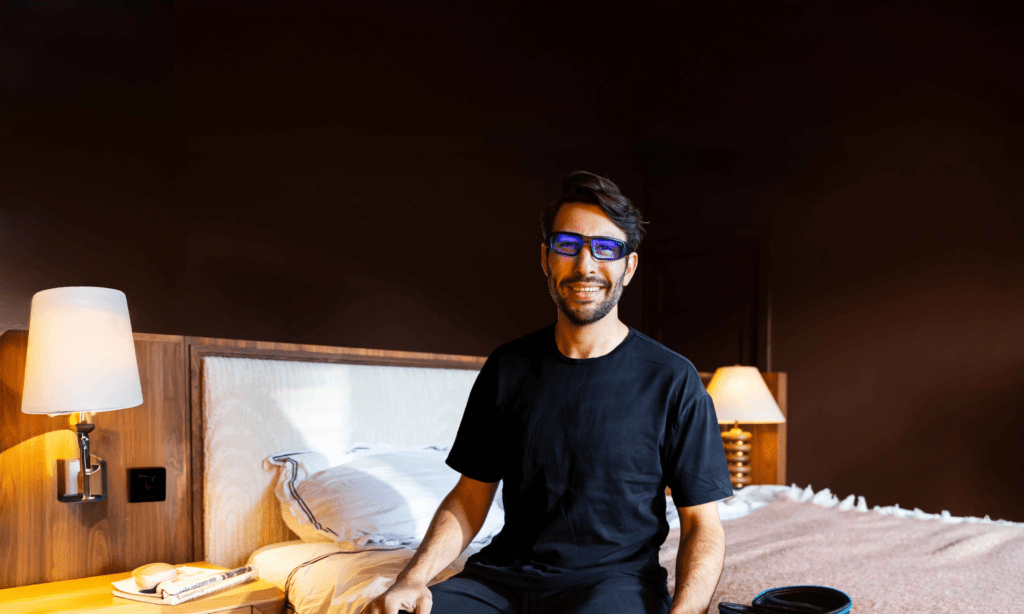
How to Use Blue Light Therapy Glasses to Support Better Energy, Sleep, and Daily Focus
Modern life has changed the way we experience natural light. Many people wake up in darkness, spend hours indoors, and finish the day under artificial lighting. Over time, this can affect energy levels, sleep timing, mood, and concentration. That’s exactly why blue light therapy glasses have become increasingly popular.
Unlike traditional light boxes that require you to sit in one place, wearable light therapy allows you to move freely while getting your daily light exposure. Brands like Luminette have helped make this technology practical for people who want to support their circadian rhythm without interrupting their routine.
If you’re wondering whether blue light therapy is right for you, how it works, and how to choose the right device, this guide covers the answers in a practical, real-world way.
What Are Blue Light Therapy Glasses?
Blue light therapy glasses are wearable devices designed to deliver a specific wavelength of light to your eyes usually during the morning to help support your body’s internal clock.
Your brain uses light as one of its strongest timing signals. When your eyes detect bright, blue-enriched light in the morning, your body may naturally reduce melatonin production and support daytime alertness. This is why many people use light therapy as part of a morning routine, especially during winter, remote work periods, or when natural sunlight is limited.
Unlike ordinary screen-filter glasses, blue light therapy glasses actively emit light rather than block it.
Who Might Benefit From Light Therapy?
People often explore light therapy when dealing with:
- Low morning energy
- Seasonal tiredness during darker months
- Shifted sleep schedules
- Jet lag after travel
- Difficulty feeling alert after waking
- Working indoors with limited natural sunlight
For example:
Imagine someone working remotely who starts every day in a dim home office. Even after coffee, they still feel sluggish until noon. Adding 20–30 minutes of morning light therapy while checking emails or eating breakfast may help create a stronger “day has started” signal for the body.
That doesn’t guarantee identical results for everyone, but many users report improvements when using light therapy consistently.
Community discussions on Reddit also frequently mention using Luminette as part of a consistent morning routine, especially for circadian rhythm support.
How Do Blue Light Therapy Glasses Work?
The idea is simple:
Your eyes detect blue-enriched light, your brain receives a daytime signal, your circadian rhythm gets stronger timing cues.
Some wearable devices use indirect lighting positioned above your line of sight, which can feel more natural than direct bright LEDs.
According to Luminette light therapy glasses, their system uses blue-enriched white light and was developed from research at the University of Liège in Belgium. The company also states that the product has been used by over 300,000 users since 2006.
Blue Light Therapy Glasses vs a Blue Light Therapy Device
When researching light therapy, you’ll often see both wearable glasses and tabletop lamps.
A blue light therapy device such as a light box can still be effective, but it usually requires you to remain seated in one position.
Blue light therapy glasses offer a few practical advantages:
Mobility
You can move around while using them.
Consistency
It’s easier to fit into a real morning routine.
Time Efficiency
You can combine therapy with:
- Breakfast
- Reading
- Emails
- Light exercise
- Planning your day
For busy professionals, that convenience often makes the difference between trying light therapy once and actually using it daily.
How to Use Blue Light Therapy Glasses Properly
1. Use Them Early in the Day
Morning exposure is generally preferred because light timing matters.
Many experienced users mention morning sessions being the most effective for rhythm support. Using bright light too late may shift sleep later for some individuals.
2. Start With Short Sessions
Many devices recommend around 20–30 minutes.
Luminette states their glasses are designed for daily sessions of around 30 minutes.
3. Stay Consistent
Light therapy works best as a routine, not a one-time experiment.
Try:
- Same time each morning
- Same duration
- At least several consecutive days before evaluating
What to Look for When Choosing Blue Light Therapy Glasses
Not all devices are built the same.
Here’s what matters:
Comfort
If the device feels heavy or awkward, consistency becomes harder.
Light Position
Indirect lighting often feels less harsh than direct LEDs.
Research Background
Look for devices with clinical research or safety standards.
Real-World Usability
Can you:
- Wear them with prescription glasses?
- Move around comfortably?
- Use them while working?
Many users mention wearing Luminette over prescription glasses, although fit can vary.
Why Many People Explore Luminette
Among wearable solutions, Luminette is often mentioned because it focuses specifically on portable morning light therapy.
According to the official site, Luminette was introduced in 2006 and uses a patented indirect lighting system positioned above the user’s field of vision. The company also notes compliance with IEC62471 eye safety standards.
Rather than sitting in front of a lamp, users can:
- Eat breakfast
- Work on a laptop
- Read
- Prepare for the day
That convenience makes wearable light therapy appealing for modern routines.
Can Blue Light Therapy Replace Natural Sunlight?
Not completely.
Natural sunlight offers broader environmental cues, outdoor movement, and environmental variation that devices cannot fully replicate.
However, on:
- Winter mornings
- Travel days
- Cloudy weeks
- Indoor work schedules
blue light therapy glasses may help fill some of that gap.
Think of them as a practical tool—not a replacement for healthy sleep habits, movement, and daylight exposure.
Final Thoughts
If you struggle with dark mornings, low daytime energy, or an inconsistent sleep schedule, blue light therapy glasses may be worth exploring as part of your routine.
Whether you choose a tabletop blue light therapy device or a wearable solution, consistency matters more than intensity alone.
For people who want flexibility, mobility, and a research-backed wearable option, Luminette is one of the better-known names in this space, especially for users interested in supporting energy, circadian rhythm, and healthier morning habits.
The best approach is simple: start small, stay consistent, and pay attention to how your body responds over time.