How to Layer a Compression Tank Under Everyday Clothes Without It Showing
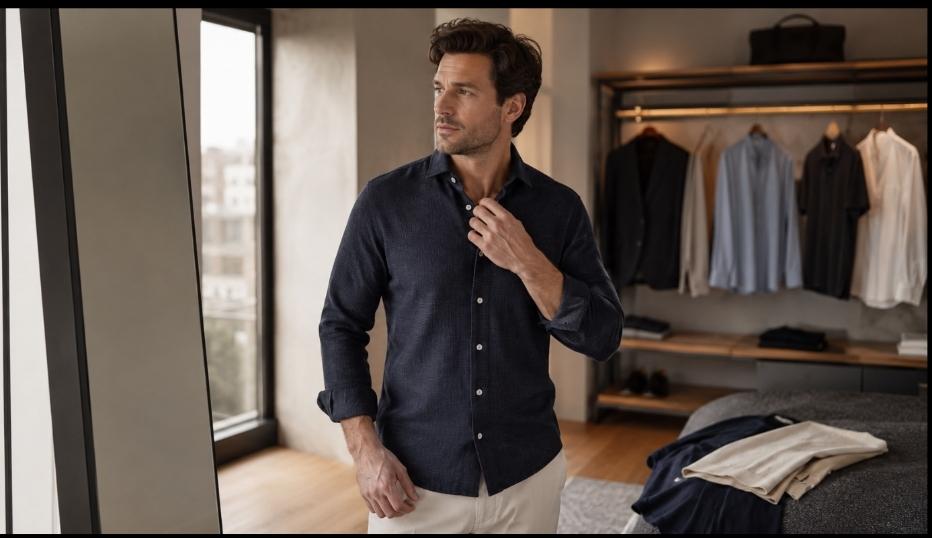
The result seems cleaner across different outfits. A fitted T-shirt falls more evenly. A polo skims the torso instead of clinging, while an open shirt creates a sharper vertical line.
Then the light changes.
Near a window, a shoulder edge appears beneath the fabric. The neckline sits slightly too high. A base layer that seemed invisible indoors becomes noticeable from the side or under direct light.
That is the real challenge of compression layering. The garment must influence the silhouette without becoming a visible part of the outfit.
How do you keep the smoother surface without revealing the layer creating it?
The answer depends less on maximum compression than on fit, fabric weight, color, neckline depth, seam construction, and the clothes worn above it.
Start With Fit: Firm Should Not Mean Undersized
A compression layer should feel close and supportive, but sizing down aggressively often creates the exact lines you are trying to avoid.
When the garment is too small, the shoulder edges can press into the body and show through a fitted T-shirt. Tight armholes may create curved lines around the chest, while excessive tension can force the fabric to gather near the underarms.
The waist presents another problem. A short or undersized layer may look smooth while you stand still, then roll upward when you sit, bend, or reach. Once the hem bunches, the outer shirt can form a visible ridge across the torso.
A better fit follows the body without creating hard borders. You should be able to breathe normally, sit comfortably, and move your arms without feeling as though the garment is fighting every change in posture.
Torso length matters as much as pressure. A longer base layer is easier to keep stable beneath jeans or trousers and less likely to shift during a dinner, commute, or evening event.
Test the fit in motion. Sit down, raise your arms, turn sideways, and bend slightly at the waist. The fabric should return to its original position instead of remaining twisted, folded, or pulled upward.
Firm compression can create a smoother foundation. A size that is too small usually creates sharper edges, more movement, and less natural-looking clothes.
Choose a Base Layer Designed to Disappear
Gym wear and clothing base layers serve different visual purposes.
Athletic garments may use glossy panels, bold stitching, reinforced zones, or heavy ribbing. Those details can look appropriate in a training setting, but they may cast shadows or create texture beneath a fitted shirt.
A low-profile compression tank top intended for layering should behave differently from visible gym wear. Its neckline and shoulder edges need to stay inside the lines of the T-shirt, polo, or shirt worn above it, while flat seams help the outer fabric fall without obvious ridges.
The neckline should suit the wardrobe. A higher opening may remain hidden under a fully buttoned shirt, but it can appear beneath a polo or open collar. A deeper neckline provides more clearance, provided it stays stable during movement.
Shoulder edges should lie flat rather than creating raised bands. The same applies to the armholes, which should remain smooth without cutting sharply into the chest.
A stable hem keeps the shaping base layer in place as the outfit moves. The goal is not to make the garment visually interesting on its own. It should become difficult to identify once the visible clothes are added.
What Each Outer Layer Reveals
A fitted T-shirt exposes the construction of a base layer more readily than most other garments. Lightweight fabric can reveal shoulder edges, straps, armholes, raised seams, and abrupt changes in texture.
A polo creates a different problem. The open collar brings the neckline into view, especially when the first button is left undone. Fine-knit polos may also follow the torso closely, while piqué fabric offers more texture and structure.
A casual shirt or Oxford usually provides more coverage. Woven fabric tends to skim the body instead of settling into every contour, making the layer easier to conceal.
A lightweight dress shirt can be less forgiving. Pale poplin may reveal color contrast, stitching, and edges, particularly in bright daylight.
An overshirt hides more of the base layer and adds useful structure, but it also increases warmth. That tradeoff matters during summer or in crowded indoor spaces.
Evening clothing must work under direct lighting and photography. A garment that disappears in soft apartment light may become visible under restaurant spotlights or camera flash.
The outer garment decides which feature matters most. There is no single base layer that disappears equally well beneath every item in a wardrobe.
Match the Base Layer to the Outer Fabric
Lightweight jersey shows almost everything beneath it. It stretches easily, follows the body closely, and can reveal subtle changes in color or texture.
Medium-weight cotton is usually more forgiving. It has enough body to skim the torso while still feeling natural in a casual outfit.
Oxford cloth offers even more structure. Its textured weave breaks up light and helps conceal small seam lines or transitions beneath the surface.
Poplin is smoother and often thinner. When fitted closely, it can show contrast between the skin and the layer underneath.
Piqué works well for polos because the raised texture interrupts shadows and fine outlines. A smooth knitted polo may look more refined, but it can also reveal the base layer more clearly.
Stretch changes the result too. Fabric under constant tension becomes more transparent and more likely to trace the garment beneath it. A fitted shirt should follow the body without being pulled tight across every point.
Color Matters More Than Most Men Expect
White beneath white can create more contrast than expected.
A bright white base layer may stand out clearly against the skin, making the neckline and shoulder edges visible through a pale shirt. A muted beige, soft gray, or another skin-adjacent neutral may blend more naturally.
No single shade works for every complexion. The useful color is the one that creates the least contrast between the skin, base layer, and outer garment.
Dark base layers usually work better beneath navy, charcoal, black, or other deep colors. Under pale blue, cream, or white, a softer neutral is often less noticeable.
Test the combination in daylight. Indoor lighting can make a shirt seem more opaque than it becomes near a window.
Direct evening light and photography create another test. Before a wedding, dinner, or event, take a quick picture under stronger light to see whether the layer produces visible blocks or edges.
Under a Fitted T-Shirt
A fitted T-shirt should follow the shoulders and torso without behaving like a second compression garment.
If it is skin-tight, every seam and edge beneath it becomes easier to see. The fabric may also stretch across the chest and stomach, creating tension lines that undermine the smoother silhouette.
Medium-weight textured cotton usually gives the cleanest result. It offers enough structure to soften shoulder and armhole lines without looking heavy.
Check that the base-layer neckline remains below the T-shirt opening from the front and side. The final outfit should still look like an ordinary T-shirt worn well, not a rigid surface created by several tight layers.
Under a Polo or Open-Collar Shirt
A polo places the focus on neckline clearance.
The base layer must sit below the lowest visible point of the collar, even when you turn, sit, or move your arms. A neckline that remains hidden while standing may shift upward during normal movement.
Piqué polos conceal more because of their texture. Fine-knit versions are smoother and often more revealing, especially in pale colors.
Contrast matters around the open collar. A visible edge looks less accidental when its color is close to the skin, but the cleaner solution is enough neckline depth to keep it covered.
Heat also changes the decision. In warm weather, an extra layer may not be worth wearing beneath a thick or closely fitted polo. Good layering should improve the outfit without making it uncomfortable.
When the Chest Outline Is the Main Styling Concern
Pale and fitted clothing can make chest projection more noticeable because the fabric catches on the most prominent areas. This can create shadows, pulling, or tension around the buttons of a shirt.
For men whose main concern is chest projection, a VEROSHAPE gynecomastia compression shirt can serve as a discreet base layer beneath a T-shirt or light-colored shirt. While worn, it may create a more even surface for the outer fabric, but it does not diagnose or treat gynecomastia.
Gynecomastia involves enlargement associated with breast gland tissue, so clothing may change how the chest appears beneath fabric, but it does not treat the underlying condition.
From a styling perspective, the aim is smoother shirt drape. When the fabric has a more even surface beneath it, it may fall with fewer sharp points of contact across the chest.
The visible garment still needs enough room to skim the body. A fitted T-shirt can look clean and intentional, but one stretched tightly across the chest will continue to show fabric tension.
Slightly heavier cotton, Oxford cloth, subtle patterns, and textured surfaces can help soften the outline further. The combination should look natural rather than unnaturally flat.
Build the Layer Around the Occasion
For casual daytime outfits, medium-weight T-shirts and relaxed overshirts offer the most flexibility. Texture, muted colors, and a little space through the torso make the base layer easier to conceal.
A dinner or date may call for a knit polo, fitted tee, or open-collar shirt. Here, neckline depth and color contrast matter more because the outfit is lighter and less structured.
Weddings and evening events introduce fine fabrics, direct lighting, and photography. A darker shirt, subtle pattern, textured weave, or tailored jacket can help maintain a refined silhouette.
Weather should shape the system too. A lightweight base layer beneath an overshirt may work well in cooler conditions but feel excessive during summer. In warm weather, fewer and more breathable layers usually look better because they move more naturally.
Consider what happens when the jacket or overshirt comes off. The outfit underneath should still work on its own rather than depending on the final layer to hide every line.
The Visibility Check Before You Leave
Look at the outfit from the front, then turn sideways. The side view often reveals shoulder edges, chest tension, and color contrast more clearly.
Raise your arms and let them fall. The base layer should return to place without remaining pulled upward.
Sit down, bend forward slightly, and stand again. Check whether the hem has rolled or created a ridge near the waist.
Move near a window and examine the outfit in daylight. Then check it under stronger indoor lighting.
Open the collar as you intend to wear it. Make sure the neckline remains covered from more than one angle.
Remove the jacket or overshirt. The outfit should still look complete without the extra structure.
For an evening event, take a quick photograph under direct light. Camera flash can reveal contrast and edges that are difficult to see in a mirror.
The best base layer never becomes the focal point of the outfit. It gives the T-shirt, polo, or shirt a cleaner surface, then allows the fabric, color, and cut above it to do the visible work. If the neckline, shoulder edges, and seams disappear, the layering system has succeeded.