How to Create Your Own Jewelry Line
Have you ever thought about turning a jewelry idea into a real product line, but didn’t know where to begin?
For many small fashion brands, it starts with a single design. But building a jewelry line goes beyond creativity. It involves decisions about materials, production, pricing, and how each piece will actually perform in everyday wear.
This is where working with an experienced partner like UVARA Jewelry Company, a leading custom jewelry manufacturer, can make a real difference. Many growing brands rely on that kind of support early on to move from concept to production with fewer delays and fewer costly mistakes.
This guide walks through the key steps to help you build a jewelry line that feels clear, consistent, and ready for the market.
Start With a Clear Direction
One of the most common mistakes is trying to create too many styles at once. When a collection feels scattered, it becomes harder for customers and buyers to understand what your brand stands for.
A strong jewelry line usually starts with a clear point of view. That could be a specific style, a certain type of customer, or simply a consistent way your pieces fit into everyday wear. When your direction is clear, decisions become easier and your collection feels more intentional.
Manufacturers often notice that collections with a defined identity move through production more smoothly because there is less confusion during development.
Choose the Right Product and Material Focus
Not all jewelry categories are equally easy to launch, especially in the early stages. The choices you make here will affect production, pricing, and how smoothly your brand can grow.
Many new brands start with earrings because they are simple to produce and do not require sizing. Necklaces offer more flexibility in design, while rings can be more complex due to sizing and inventory management.
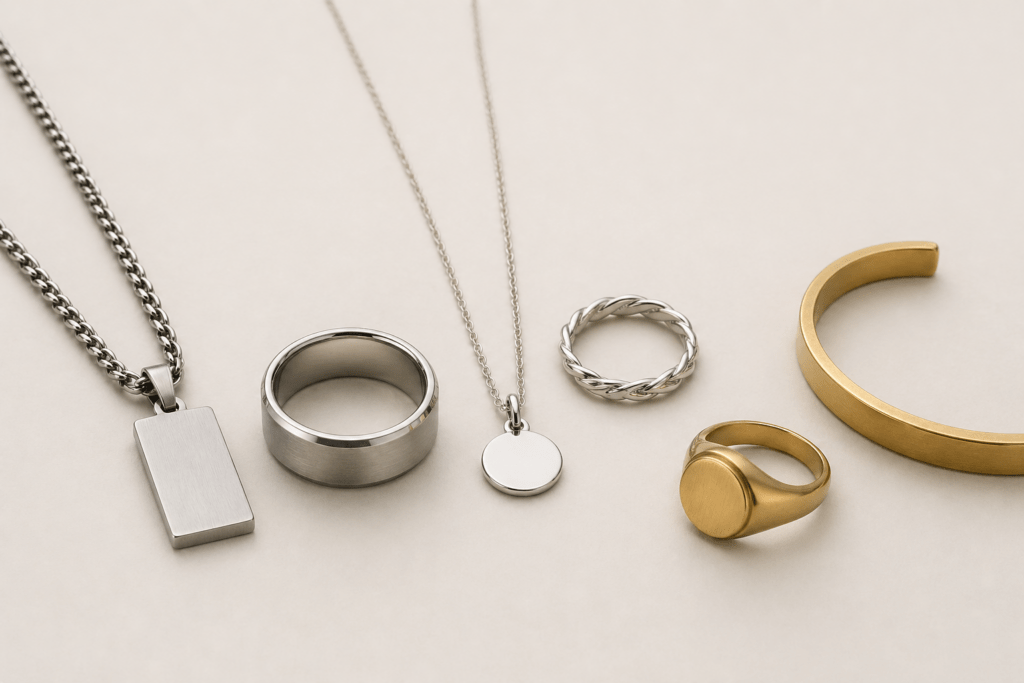
Material choice also shapes both cost and customer expectations. Stainless steel is often used for its durability and affordability, making it suitable for everyday pieces. Sterling silver offers a more refined look and can support higher pricing, while gold-plated or vermeil designs are common in trend-focused collections but require careful attention to plating quality over time.
These decisions are not just about style. They influence margins, production timelines, and even return rates. This is why many brands choose to work closely with top custom jewelry suppliers early on, using their input to narrow down materials or categories that are more practical to produce at scale. Starting with a focused approach keeps the process more manageable and helps maintain consistency as the collection develops.
Understand How Production Works
Turning a design into a finished product involves several steps, and each one affects your timeline and cost.
Choosing the right manufacturer is one of the most important decisions you will make. Many brands look for flexibility, especially when they are still testing ideas. This often includes smaller minimum order quantities, faster sampling timelines, and consistent quality across production runs.
Teams like UVARA Jewelry have seen how valuable this flexibility is for small brands that need to refine their designs before scaling. Sampling allows you to review your pieces, make adjustments, and confirm quality before committing to larger orders.
At the same time, material safety and quality should not be overlooked. Jewelry is worn directly on the skin, so using lead-free and nickel-free materials is important. Finishes should hold up over time, and details like clasps and stone settings need to feel secure and reliable.
Turn Your Ideas Into Clear Designs
A concept needs to be clearly defined before it can be produced.
Sketches are helpful in the early stages, but they often leave room for interpretation. Clear specifications reduce the risk of errors and make communication with your manufacturer more efficient. Details such as measurements, materials, and finishing choices all play a role in how the final piece turns out.
Many brands now use 3D renderings to preview their designs before production begins. This makes it easier to adjust proportions and catch small issues early, which can save both time and cost later on.
Test Before You Launch
A piece might look perfect at first, but real-life use often reveals details that are easy to miss.
Wearing your samples regularly helps you understand how they feel over time. Comfort, weight, and balance all matter, especially for pieces meant to be worn daily. It is also important to see how finishes react to sweat, moisture, and heat.
Small adjustments at this stage can make a big difference in how your jewelry performs once it reaches customers.
Build a Pricing Structure That Works
Pricing should be considered early in the process, not added at the end. It affects everything from material choices to how your collection is positioned in the market.
In most cases, jewelry pricing follows a simple structure where production cost leads to wholesale pricing, which then leads to retail pricing. Each step needs enough margin to support both your business and your retail partners. If margins are too tight, even well-designed pieces can be difficult to place.
It is also important to factor in additional costs such as shipping, duties, packaging, and small production adjustments. These are often overlooked early on but can quickly affect profitability.
Planning your pricing alongside design decisions helps keep your collection both competitive and sustainable as you grow.
Present Your Collection Clearly
Once your collection is ready, the way you present it matters just as much as the designs themselves.
Buyers often review multiple brands at once, so clarity can make a real difference. Clean product images, consistent naming, and straightforward pricing help your collection feel easy to understand at a glance. Lifestyle images also add value by showing how the pieces are worn in real situations, which helps buyers visualize them in their own stores.
When everything is clearly organized, it becomes easier for retailers to review your collection, make decisions, and place orders with confidence.
Prepare for Logistics and Growth
After production, the focus shifts toward operations.
Packaging decisions, shipping timelines, and inventory planning all play a role in how smoothly your business runs. Some brands choose simple packaging to reduce costs, while others invest in retail-ready presentation.
As your brand grows, orders may increase or require adjustments. Being prepared for these changes makes it easier to scale without disrupting your workflow.
Final Thoughts
Creating a jewelry line is not just about design. It is a process that balances creative ideas with practical decisions.
From choosing materials to working with the right manufacturer, each step shapes how your collection comes together and how it performs in the market.
Brands that stay focused, test their designs early, and build strong production partnerships are often the ones that grow steadily over time.
With the right approach, even a simple idea can turn into a collection that people choose to wear every day.