How to Choose Window Treatments: Complete 2026 Buyer’s Guide
Window treatments (blinds, shades, curtains, and drapery) are one of the most important design and functional elements in any home. The right choice improves privacy, controls light, enhances energy efficiency, boosts comfort, and ties the entire room together. Here’s a practical, step-by-step guide to help you make the best decision.
1. Start with Purpose: What Do You Need?
Before looking at styles, answer these key questions for each room:
- Light Control: Do you need complete darkness (bedroom), glare reduction (home office), or soft filtered light (living room)?
- Privacy: Daytime privacy while still allowing some light?
- Energy Efficiency: Help with heating in winter or cooling in summer?
- Safety: Children or pets present? (Cordless or motorized recommended)
- Room Conditions: High humidity (kitchen/bathroom)? Heavy sunlight (fading risk)?
- Aesthetics: Do you want the treatment to be a focal point or blend into the background?
2. Main Types of Window Treatments
| Type | Best For | Pros | Cons | Price Range |
| Horizontal (Venetian) Blinds | Modern & traditional rooms | Precise light control, easy to clean | Collect dust on slats | Low to Medium |
| Vertical Blinds | Patio doors, large windows | Cover wide areas well | Can feel dated, noisy slats | Low to Medium |
| Roller Shades | Minimalist, blackout needs | Clean look, wide fabric selection | Limited light adjustment | Low to High |
| Cellular (Honeycomb) Shades | Energy efficiency, bedrooms | Excellent insulation & sound absorption | Harder to deep clean | Medium to High |
| Roman Shades | Soft, elegant interiors | Beautiful folded look | Require more maintenance | Medium to High |
| Curtains & Drapery | Warmth, luxury, decoration | Soft texture, excellent light blocking | Collect dust, less precise control | Medium to High |
| Motorized Treatments | Smart homes, tall/hard-to-reach windows | Ultimate convenience, safety | Higher upfront cost | High |
| Woven Wood / Bamboo | Natural, boho, coastal styles | Organic texture, good light diffusion | Can fade in direct sun | Medium |
3. Critical Selection Factors
Light & Privacy Needs
- Blackout: Blocks nearly 100% of light (ideal for bedrooms).
- Dim-Out / Light-Filtering: Softens harsh sunlight.
- Sheer: Allows light while providing some privacy.
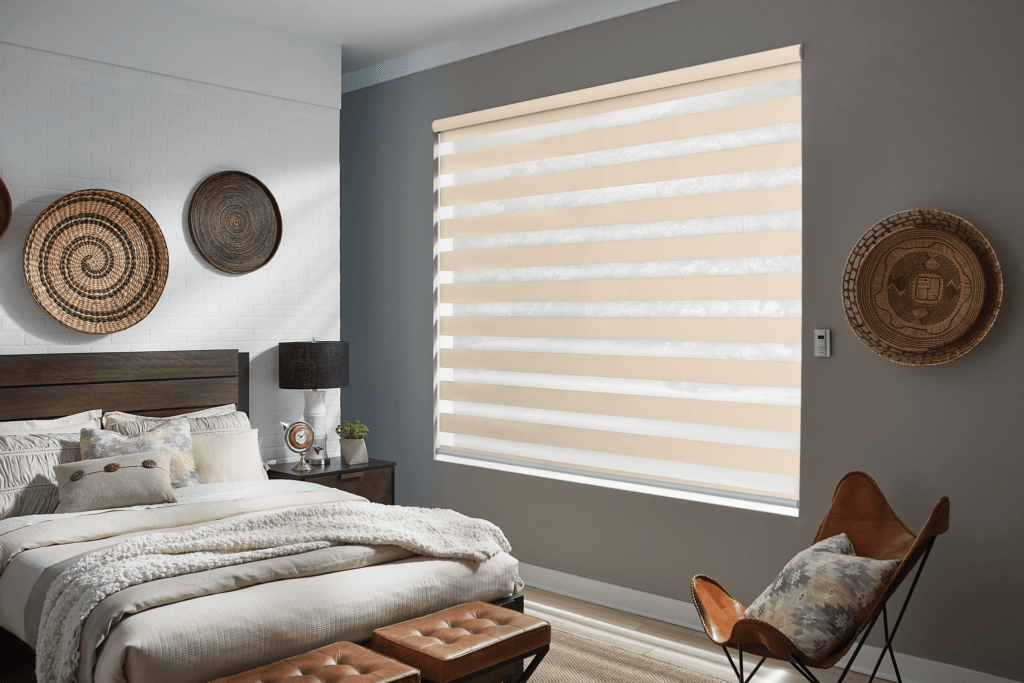
- Day & Night Shades: Dual-layer design for versatility.
Energy Efficiency In 2026, cellular shades and treatments with thermal or reflective backings are top performers for reducing energy bills.
Style & Interior Design
- Modern/Minimalist: Roller shades, horizontal blinds, panel tracks.
- Classic/Traditional: Roman shades, drapery with valances.
- Scandinavian/Natural: Light linen curtains, wooden blinds.
- Industrial: Metal or dark-colored treatments.
Window Size & Shape Measure accurately at three points (top, middle, bottom) because windows are often not perfectly square.
- Inside Mount: Sleeker, built-in appearance.
- Outside Mount: Better light blocking, makes windows look larger.
Material Considerations
- Moisture-prone areas: Aluminum, vinyl, or faux wood.
- Sun exposure: UV-resistant fabrics to prevent fading.
- Allergies: Easy-to-clean or washable materials.
4. Practical Buying Tips
- Always Order Samples Colors and textures look very different in your actual room lighting.
- Budget Planning
- Budget: Basic aluminum blinds or standard rollers.
- Mid-range: Faux wood, quality cellular shades.
- Premium: Real wood, custom fabrics, motorized solutions.
- Safety First Choose cordless options or motorized treatments if you have young children or pets.
- Maintenance Consider how much time you want to spend cleaning. Hard surfaces (blinds) are easier to wipe; fabrics often need vacuuming or professional cleaning.
- Combine Treatments Popular layered approach: Sheer curtains + blackout roller shades, or drapery over cellular shades for both beauty and function.
5. Current Trends in 2026
- Motorized and smart treatments with Matter compatibility.
- Sustainable and eco-friendly materials (recycled fabrics, FSC-certified wood, bamboo).
- Neutral earthy tones: warm beiges, soft grays, greiges, and natural textures.
- Smart fabrics that adjust opacity.
- Clean, cord-free designs.
Final Checklist for Choosing Window Treatments
- Define the primary function of the room.
- Decide on light control and privacy level.
- Match the style to your interior.
- Consider energy efficiency and maintenance.
- Take accurate measurements and order samples.
- Factor in budget and future smart home plans.
Pro Tip: Start with the most used rooms (bedroom and living room). Investing a bit more in quality or motorization for these spaces usually gives the biggest improvement in daily comfort.