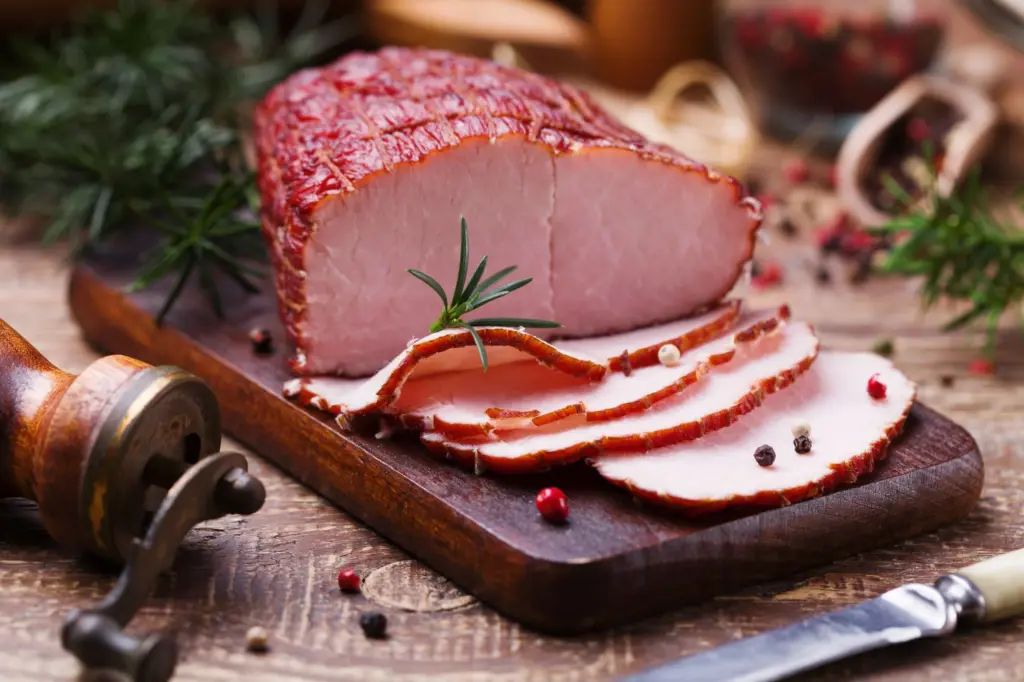
How to Choose the Best Virginia Ham for Your Table
When it comes to creating a memorable dining experience, few centerpieces rival the rich, savory appeal of Virginia ham. Known for its deep flavor, traditional curing process, and cultural heritage, Virginia ham has long been a staple in American cuisine. However, with several varieties and quality factors to consider, choosing the best virginia ham for your table requires a thoughtful approach.
Understand the Types of Virginia Ham
Before making a purchase, it is essential to understand the main types of Virginia ham available. The most well-known is country ham, which is dry-cured, aged, and often saltier with a firm texture. This variety delivers a bold, complex flavor that pairs beautifully with biscuits or holiday meals.
On the other hand, city ham is wet-cured and typically milder, juicier, and more familiar to many households. It is often pre-cooked or smoked, making it a convenient option for quick preparation. Your choice should depend on your taste preference and the type of meal you plan to serve.
Consider the Curing and Aging Process
The hallmark of authentic Virginia ham lies in its curing and aging process. Traditional country hams are salt-cured and aged for several months, sometimes even over a year. Longer aging results in a more intense flavor profile, which is highly prized by culinary enthusiasts.
If you prefer a milder taste, opt for a ham that has been aged for a shorter period or one that has been lightly smoked. Always check product descriptions or labels to understand how the ham was prepared.
Evaluate Quality and Authenticity
Not all hams labeled as “Virginia ham” meet the same standards. Look for products that are sourced from reputable producers in Virginia and follow traditional methods. Authentic Virginia hams often carry certifications or come from well-known smokehouses with a long-standing reputation.
Additionally, pay attention to the meat’s color and marbling. A high-quality ham should have a rich, rosy hue with consistent fat distribution, which enhances flavor and tenderness.
Decide Between Bone-In and Boneless
Another important factor is whether to choose a bone-in or boneless ham. Bone-in hams are typically more flavorful and visually appealing, making them ideal for special occasions or holiday gatherings. The bone also helps retain moisture during cooking.
Boneless hams, however, offer convenience and ease of carving, making them a practical choice for everyday meals or smaller gatherings. While they may lack some depth of flavor, they are still a delicious and versatile option.
Think About Portion Size
Selecting the right size is crucial to ensure you have enough for your guests without excessive leftovers. As a general rule, plan for about half a pound per person for bone-in ham and one-third of a pound per person for boneless varieties.
If you enjoy leftovers for sandwiches, soups, or breakfast dishes, consider purchasing a slightly larger ham to maximize value and versatility.
Match the Ham to Your Occasion
Finally, consider the setting and menu. A formal holiday dinner may call for a premium, aged country ham with traditional sides, while a casual brunch might be better suited to a mild, spiral-cut city ham.
Pair your ham with complementary flavors such as honey glaze, mustard, or fruit preserves to enhance its natural richness and create a balanced meal.
Final Thoughts
Choosing the best Virginia ham for your table is about more than just taste—it is about tradition, quality, and the experience you want to create. By understanding the different types, evaluating curing methods, and selecting the right size and style, you can confidently serve a dish that delights your guests and elevates any occasion.
With the right selection, Virginia ham can transform an ordinary meal into a truly memorable culinary event.