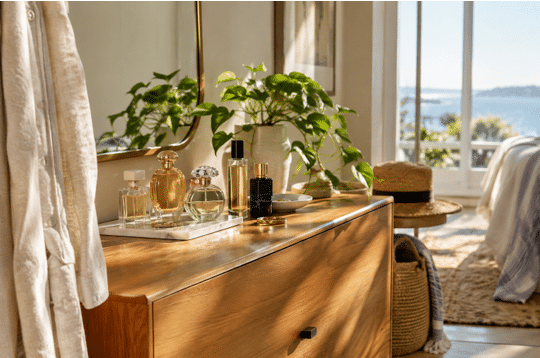
How to Build a Flexible Fragrance Wardrobe for Every Season and Occasion
Key Takeaways
- A practical fragrance wardrobe can begin with three bottles and grow only when a real gap appears.
- Fresh, balanced, warm, and evening-ready profiles cover many everyday situations.
- Temperature, humidity, skin hydration, and application amount can affect how a fragrance feels.
- Sampling on skin and waiting for the dry-down can prevent disappointing full-bottle purchases.
- Layering compatible scents can create variety without adding unnecessary bottles.
A flexible fragrance wardrobe is a small, intentional collection that gives you an option for different weather, settings, and moods. Rather than buying bottles that all smell broadly alike, choose fragrances with distinct jobs. A well-chosen signature niche perfume can be one part of that collection, but it does not need to carry every occasion on its own.
The goal is not to own as many fragrances as possible. It is to make getting ready simpler. A fresh scent may feel right for a hot afternoon, while warm woods or amber may suit a cold evening. Testing carefully, applying thoughtfully, and rotating what you already own can make even a modest collection feel personal and complete.
What Is a Fragrance Wardrobe?
A fragrance wardrobe is a collection organized around real life. Think of it as you would clothing: an easy daytime option, something polished for work, a comfortable cool-weather choice, and a more expressive scent for evenings. Fragrance is built from aromatic materials, solvents, and other components, and the familiar language of fragrance notes can help you compare the styles you enjoy.
There is no need to buy a separate scent for every possible event. One versatile woody musk may work for errands, travel, and casual dinners. Useful overlap keeps your collection focused and helps you learn which profiles genuinely suit you.
Why Seasonal Rotation Helps
Fragrance does not feel identical in every environment. Heat can make a scent seem more noticeable, while cold, dry air may make a light composition seem quieter. Humidity, air conditioning, indoor heating, exercise, and clothing can also change the experience. Seasonal rules are best used as starting points, not restrictions. If a rich vanilla makes you happy on a summer night, wear it with a lighter hand.
The Core Fragrance Roles to Include
- Everyday fresh scent: Citrus, green notes, tea, clean musk, herbs, or airy woods for casual routines and warmer days.
- Workday scent: A balanced, moderate fragrance that stays close enough for shared spaces.
- Cool-weather scent: Amber, sandalwood, spice, resin, vanilla, incense, or deeper woods for lower temperatures.
- Evening scent: A richer or more distinctive option for dinners, dates, celebrations, and nighttime plans.
- All-season scent: A dependable choice that can move from daytime to evening with fewer sprays or a slightly fuller application.
How to Match Scent to Weather
Spring and Summer
Spring often suits green notes, soft florals, citrus, tea, and light woods. In summer, consider citrus, mineral, aquatic, herbal, airy floral, or sheer musk profiles. Start with fewer sprays in strong heat, especially before crowded indoor plans. You can always reapply later if the fragrance becomes too faint.
Fall and Winter
Fall is an easy transition season for fig, cardamom, suede, sandalwood, tea, and gentle amber. Winter can support warmer woods, incense, vanilla, leather, balsamic notes, and spice. When dry indoor air leaves skin feeling tight, applying fragrance over unscented moisturizer may help the scent sit more comfortably on skin.
Choosing Fragrance for Different Occasions
- Office: Choose controlled projection and avoid applying heavily before meetings or in close quarters.
- Travel: Bring a versatile travel spray that works during transit and at your destination.
- Outdoor events: Account for heat, wind, activity level, and the event’s length.
- Dinner: Try a scent with warmth or texture, but let it remain a detail rather than the center of the table.
- Formal events: Smooth woods, soft florals, elegant musks, and restrained amber compositions are often easy choices.
- Relaxed weekends: Clean musk, tea, citrus, gentle fruit, and soft woods tend to feel effortless.
The best occasion scent is one that fits the setting and lets you feel comfortable. Fragrance should enhance your presence, not make you self-conscious about entering a room.
Layering Basics for More Versatility
Layering can refresh a wardrobe without requiring another full-size bottle. Begin simply by pairing a perfume with an unscented lotion or a lightly scented body product. If you combine two fragrances, use less of each than you normally would and test the result on skin.
- Pair citrus with clean musk for a softer, more subtle effect.
- Combine green tea with gentle woods for a calm everyday option.
- Add a subtle vanilla beneath a light floral for more warmth.
- Match dry spice with amber for a deeper evening scent.
How to Test Fragrance Before Buying
Test no more than two or three fragrances at once. Apply them to clean skin without a strongly scented lotion, then give each one time to develop. Notice the opening, revisit it after about 30 minutes, and check it again later in the day. The opening is not the whole story: lighter materials often appear first, while the heart and dry-down reveal the fragrance’s longer-lasting character.
Write down the weather, number of sprays, how long the scent remained noticeable, and whether you enjoyed wearing it. A sample or travel-size is often a smarter first step than a full bottle. If you experience itching, rash, swelling, wheezing, or any other suspected reaction, stop using the product and consult a healthcare professional for guidance on allergens in cosmetics, if needed.
Storage and Rotation Tips
- Store bottles away from direct sunlight, radiators, and steamy bathroom windows.
- Choose a cool location with relatively stable temperatures.
- Keep caps on when possible and avoid leaving bottles in hot cars.
- Use a notes app to track scent family, season, occasion, projection, longevity, and personal rating.
- Rotate based on actual weather and your routine, rather than the calendar alone.
Common Fragrance Wardrobe Mistakes
- Buying several scents that perform the same role.
- Choosing only from popularity, packaging, or a first spray on paper.
- Applying too much heat in shared spaces.
- Skipping samples when a fragrance is unfamiliar.
- Forcing every bottle into a strict season.
- Layering multiple strong perfumes before learning how each wears alone.
A Simple Fragrance Wardrobe Checklist
Start with one fresh daytime fragrance, one balanced work or daily scent, and one warm option for cooler weather or evenings. Add a special-event fragrance only if your routine calls for it. Keep samples available for experimentation, store bottles carefully, and expand only when you can name the specific role your current collection does not cover. A fragrance wardrobe should make daily choices easier, feel true to your taste, and leave room for discovery without becoming cluttered.