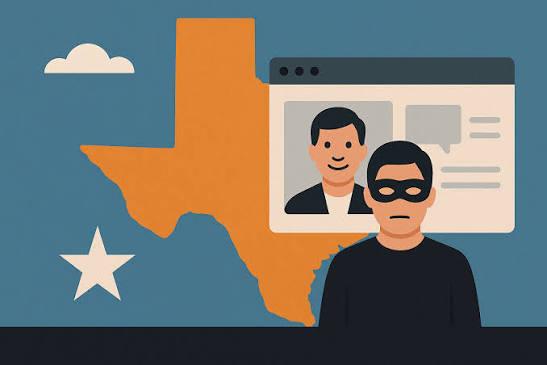
How Texas Law Addresses Online Impersonation
Online impersonation can take many forms, from a fake social-media profile to messages sent under another person’s name. Whether the conduct becomes a criminal offense or a civil claim can depend on consent, intent, how the false identity was presented, and the harm that followed.
Someone consulting a false impersonation lawyer in Texas may need to evaluate the conduct under more than one statute. Texas Penal Code Section 33.07 creates criminal offenses for certain forms of online impersonation, while Civil Practice and Remedies Code Chapter 98C, effective September 1, 2025, creates a civil cause of action for qualifying impersonation on social-media platforms. The laws overlap but use different requirements.
Texas Criminal Law Focuses on Harmful Intent
Texas Penal Code Section 33.07 applies when a person, without another person’s consent and with intent to harm, defraud, intimidate, or threaten, uses that person’s name or persona to create a webpage or to post or send messages through a commercial social-networking site or another Internet website.
Intent is central to the offense. Using the same name as another person or creating similar-looking content does not automatically violate the statute. Investigators may examine messages, profile descriptions, threats, solicitations, and surrounding circumstances to determine why the false identity was created.
Emails and Text Messages Are Covered Separately
Section 33.07 also addresses certain communications sent by email, instant message, text message, or similar means. It applies when someone uses another person’s name, domain address, phone number, or other identifying information without consent while intending to make the recipient reasonably believe the communication was authorized or sent by that person and intending to harm or defraud someone.
The penalties vary. The webpage or Internet-posting form of online impersonation is generally a third-degree felony. Conduct involving emails, instant messages, or texts is generally a Class A misdemeanor, although it can become a third-degree felony when committed with intent to solicit a response by emergency personnel.
Texas Added a Civil Remedy in 2025
Texas added Civil Practice and Remedies Code Chapter 98C through House Bill 783, effective September 1, 2025. For that chapter, online impersonation involves using an individual’s name, voice, signature, or likeness in visual material on a social-media platform without consent. For a minor, qualifying consent may come from a parent, legal guardian, or managing conservator.
This civil statute is narrower in some respects than the criminal law. Chapter 98C focuses on visual material on social-media platforms, while Penal Code Section 33.07 also reaches certain webpages, Internet messages, emails, texts, and similar communications. One incident may therefore raise different questions under each law.
A Civil Claim Requires More Than Unauthorized Use
Chapter 98C does not create liability simply because someone used another person’s likeness without permission. The defendant must knowingly and with intent to harm, defraud, intimidate, or threaten the injured person use the impersonation to create a false identity. The impersonation must also be virtually indistinguishable from an actual person to a reasonable person.
That standard makes presentation important. Relevant evidence may include the account name, profile image, altered photos or videos, captions, direct messages, biographical details, and interactions with people who believed the account was genuine. These details can distinguish a realistic false identity from content that merely refers to another person.
Satire and Parody Are Treated Differently
Chapter 98C contains an express exception when a purpose of the impersonation is satire or parody. Context can therefore become especially important when evaluating a disputed account, video, or image.
A clearly exaggerated comedic portrayal may be treated differently from a realistic profile designed to convince others that they are dealing with the actual person. The overall presentation, surrounding statements, audience, and purpose can influence whether the civil statute applies.
Civil Remedies Can Address Losses and Ongoing Conduct
A prevailing claimant under Chapter 98C can recover actual damages. The statute identifies qualifying expenditures related to counseling, identity theft, or libel and allows profits attributable to the impersonation to be considered when calculating actual damages. It also authorizes exemplary damages of at least $500.
The law can address ongoing conduct too. A court may issue a temporary restraining order or temporary or permanent injunction designed to stop qualifying impersonation. This can matter when a false account remains active, continues contacting people, or keeps publishing material after discovery.
Evidence Can Shape Both Criminal and Civil Claims
Online impersonation can disappear quickly once an account is reported, making early preservation useful. Screenshots can capture usernames, account URLs, profile images, messages, dates, and posts. Platform emails, report numbers, messages received by third parties, and records showing financial or reputational harm can add context.
Evidence may also need to show who was impersonated, how realistic the account appeared, what the creator intended, who received the communications, and what consequences followed. A chronological record can clarify those connections.
Other Legal Remedies May Still Apply
Chapter 98C states that its cause of action is cumulative of remedies available under other statutes or common law. Depending on the facts, the same incident may raise issues involving identity theft, libel, fraud, harassment, stalking, or another legal theory.
The statute also limits who can be held liable. It does not impose liability on an interactive computer service merely because another person supplied the content, and it protects certain law-enforcement activity involving Internet-crime investigations. These provisions help separate the creator of the false identity from the platform where it appeared.
Texas Law Looks at How the False Identity Was Used
Texas online impersonation law is not based solely on whether someone copied another person’s name or photograph. Penal Code Section 33.07 focuses on particular forms of impersonation carried out without consent and with specified harmful intent. Chapter 98C adds a civil route for certain realistic false identities created through visual material on social media.
The details often determine which law applies. Where the impersonation appeared, what information was copied, whether messages were sent, how viewers perceived the account, what intent can be shown, and what harm followed can all matter. Preserving those details can help distinguish misleading content from conduct that may support criminal enforcement, a civil claim, or both.