Breast Lift With or Without Implants: Understanding the Differences
Changes in breast shape and position are a natural part of life. Ageing, pregnancy, breastfeeding, weight fluctuations and individual genetics can influence breast tissue, skin elasticity and overall appearance. For people considering cosmetic breast surgery, understanding the differences between a breast lift and breast augmentation is an important starting point. Although these procedures can sometimes be performed together, they address different concerns and involve distinct surgical considerations.
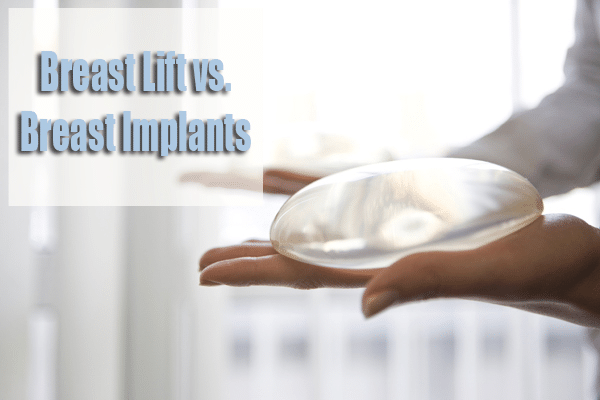
A breast lift, medically known as mastopexy, focuses on reshaping and repositioning existing breast tissue, while breast augmentation uses implants to increase breast volume. Some patients may consider a breast lift alone, while others may discuss combining it with augmentation. Anyone researching breast lift surgery in Sydney should understand how these procedures differ, what they can realistically achieve and why an individual consultation with an appropriately qualified specialist plastic surgeon is essential before making a decision.
What Does Breast Lift Surgery Involve?
Breast lift surgery is designed to address breast ptosis, which refers to the downward positioning of breast tissue and the nipple-areola complex. During the procedure, a surgeon may remove excess skin, reshape existing breast tissue and reposition the nipple and areola to achieve a different breast contour. The specific surgical technique depends on factors such as the degree of ptosis, skin quality, breast size and the patient’s anatomy.
Unlike breast augmentation, a breast lift does not primarily aim to increase breast volume. Instead, it works with the tissue already present to change breast shape and position. Some patients may notice that their breasts appear different in size or fullness after reshaping, but a lift alone does not restore volume that has been lost. Understanding this distinction is important because expectations about upper breast fullness and overall size can influence whether a lift alone is likely to address a person’s concerns.
How Breast Implants Change the Surgical Approach
Breast augmentation involves placing implants to increase breast volume and alter breast shape. Implants are available in different sizes, shapes and materials, and their suitability depends on the patient’s anatomy and surgical goals. However, implants do not automatically correct significant breast ptosis. In some cases, adding volume without adequately addressing breast position may not produce the intended shape and can place additional demands on the surrounding tissues.
When augmentation is combined with a breast lift, the surgeon addresses both breast volume and tissue position. This approach may be considered when a patient wants increased fullness alongside changes to breast shape or nipple position. Combining procedures can also introduce additional complexity because the surgeon must balance implant dimensions, skin tension, tissue support and healing considerations. The decision requires careful assessment rather than assuming that combining procedures is always preferable.
Breast Shape, Skin Elasticity and Existing Tissue Matter
The suitability of a breast lift with or without implants depends on more than personal preference. Breast size, tissue distribution, skin elasticity and the position of the nipple relative to the breast fold all influence surgical planning. A person with adequate existing breast tissue may have different options from someone who has experienced substantial volume loss. Similarly, the amount of excess skin can affect the technique required to reshape the breasts.
Skin elasticity is particularly relevant because the skin and supporting tissues influence how the breasts respond to surgery and how their shape changes over time. Pregnancy, weight fluctuations and ageing can affect these characteristics, although the degree of change varies between individuals. A specialist plastic surgeon can assess the available tissue, discuss realistic outcomes and explain whether implants are likely to provide a meaningful benefit in a particular case. No surgical approach can permanently prevent future changes associated with ageing or changes in body weight.
Understanding Scars and Potential Surgical Risks
Breast lift surgery requires incisions, which result in permanent scars. The location and extent of these scars depend on the technique used and the amount of reshaping required. Some procedures involve incisions around the areola, while others may also require vertical or horizontal incisions. Scars generally change as healing progresses, but their final appearance varies and cannot be guaranteed. Patients should understand the proposed incision pattern and likely scarring before agreeing to surgery.
Both breast lift and augmentation procedures carry risks, including bleeding, infection, wound-healing problems, changes in nipple or breast sensation, asymmetry and dissatisfaction with the outcome. Breast implants introduce additional considerations, including capsular contracture, implant rupture, changes in implant position and the possibility of further surgery. Breast implants are not lifetime devices, and future monitoring or replacement may be necessary. Patients should also discuss uncommon but serious implant-associated complications, including breast implant-associated anaplastic large cell lymphoma, with their surgeon.
Recovery Can Differ Between the Two Approaches
Recovery after breast lift surgery varies depending on the extent of the procedure, the patient’s health and the surgical technique used. Swelling, bruising, tenderness and temporary limitations on physical activity are common during the early healing period. Patients may be advised to wear a supportive surgical bra and avoid strenuous exercise or heavy lifting for a specified period. The surgeon will provide individual instructions about wound care, follow-up appointments and returning to normal activities.
Combining a breast lift with implants may affect recovery because the procedure involves both tissue reshaping and implant placement. Some patients experience additional tightness or discomfort associated with the implants, although individual experiences vary. Healing also continues beyond the initial recovery period, and breast shape and scars can change over subsequent months. Following postoperative instructions and attending scheduled reviews are important for identifying complications and monitoring recovery.
Setting Realistic Expectations Before Surgery
A surgical consultation should provide an opportunity to discuss what the patient hopes to change and whether those goals are achievable. Someone primarily concerned about breast position may have different priorities from someone seeking additional volume. Photographs, measurements and a physical examination can help the surgeon explain the available options, but results from other patients should not be interpreted as a guarantee of what an individual will experience.
It is equally important to discuss the limitations of surgery and the possibility that further procedures may be needed. Breast shape can continue to change with ageing, pregnancy and weight fluctuations, while implants may require future monitoring or additional surgery. Patients should feel comfortable asking questions, considering non-surgical alternatives or choosing not to proceed. In Australia, cosmetic surgery consultations should also follow applicable Medical Board of Australia guidelines, including requirements relating to informed consent, psychological assessment and appropriate consideration time.
Conclusion
Breast lift surgery and breast augmentation address different aspects of breast appearance. A lift primarily changes the position and shape of existing breast tissue, while implants are used to increase volume. Combining the procedures may be considered in selected circumstances, but the most appropriate approach depends on individual anatomy, skin quality, existing tissue, personal goals and the risks involved.
Understanding these differences can help people approach a surgical consultation with more realistic expectations. Cosmetic breast surgery involves permanent changes, potential complications, scarring and recovery commitments that deserve careful consideration. An assessment by an appropriately qualified specialist plastic surgeon can provide personalised information about the available options, their limitations and whether any procedure is suitable for the individual’s circumstances.