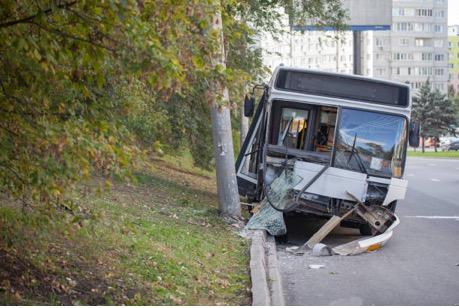
How Poor Bus Maintenance Can Lead to Serious Accidents
Poor bus maintenance can cause worn, damaged, or defective parts, increasing the risk of serious accidents. In the event of a brake failure, bald tires, a light that fails, or a steering component that breaks, there may only be a few seconds for the driver to react.
Tulsa is the second-largest city in Oklahoma and is home to over 414k people. With buses traveling through busy city streets and surrounding areas, proper vehicle maintenance is essential for keeping passengers and other road users safe. When an improperly maintained bus causes a collision and injures people, legal assistance in filing a bus accident claim in Tulsa can help victims understand their legal options.
Here is what you need to know!
The Impact of Maintenance Issues on Crashes
The brake system may gradually fail and stop a few feet short of where you think it will. The extra few feet can mean the difference between stopping safely and colliding with another vehicle.
The tires are also a worry. The wear, incorrect pressure, or damage will decrease grip and increase blowout risk. Every covered passenger carrier is required to inspect, repair, and maintain the vehicles in a systematic manner in accordance with Federal Motor Carrier Safety Administration rules (49 CFR § 396.3).
There are also rules that prohibit driving a commercial motor vehicle in a condition that would likely contribute to an accident or a breakdown, which are found at 49 CFR § 396.7. FMCSA also mandates periodic inspection of the bus, where applicable, and records of inspection, repairs, and maintenance.
In recent years, federal safety guidance has been clear that preventive maintenance helps prevent mechanical issues while vehicles are in operation.
Avoiding Faults Other Than Brakes and Tires
For example, steering, suspension, wheels, axles, windshield wipers and headlights, mirrors, and other safety equipment can all fail. The steering problem can make the bus more difficult to steer, and the lights can be faulty, making it more difficult for others to see the vehicle at night.
Emergency equipment is also an important factor. A passenger carrier is subject to a 49 CFR § 396.3 requirement to test pushout windows, emergency doors, and emergency door marking lights at least once every 90 days. A fault that might be unnoticeable on the way may become serious at the time of impact.
Who May Be Responsible?
This is determined by the circumstances of the accident and who was operating the vehicle. A bus company might be liable for failing to act on the knowledge of a fault, and a maintenance company may be liable for the failure to maintain or repair a vehicle in its care or to inspect the vehicle for faults.
Records of maintenance may be particularly significant. Federal regulations call for records to be kept of inspection and maintenance schedules and the date and the nature of repairs. The documents could be useful in determining if a dangerous condition existed prior to the accident and if anyone was knowledgeable about the dangerous condition.
What Evidence Can Help?
Useful evidence after a crash might include but is not limited to:
- Inspection and maintenance records.
- Driver defect reports
- Create and update repair invoices and work orders
- Images of damaged parts of the automobile.
- Police reports and witness statements
Combined, these records can guide linking a mechanical failure to the accident, rather than attributing the failure as an unexplainable event.
Key Takeaways
- Poor maintenance may impact braking, steering, tires, visibility, and emergency equipment.
- Systematic inspection, repair, and maintenance are required for covered vehicles in compliance with 49 CFR § 396.3.
- Unsafe operation of a vehicle, which is likely to result in an accident or breakdown, is prohibited by 49 CFR § 396.7.
- Maintenance records will help identify whether defects were identified or should have been identified.
- A bus operator, maintenance company, or other liable party could be liable.