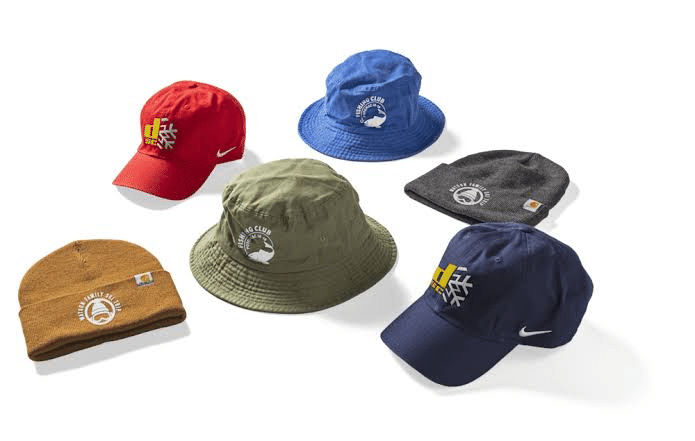
Custom Caps and Hats for Teams and Events: A Practical Buying Guide
Caps are one of the most useful branded items a business can order. They shade staff working outdoors, help event crews stand out in a crowd and give sports clubs a matching look. Unlike a printed brochure, a good cap can be worn for months.
Getting custom printed caps right means choosing the right style, material and branding method for the people who will wear it. This guide explains the main options so you can order caps that people actually want to put on.
1. Start With Who Will Wear the Cap
The best cap for a marathon volunteer is not always the best one for a café crew or a corporate golf day. Before comparing styles, think about:
- Where it will be worn: Outdoor events in Malaysian heat call for breathable materials, while indoor teams can focus more on looks.
- How often it will be worn: A daily uniform cap needs to hold up to regular washing and sweat. A one-day event cap can be simpler.
- Who the wearers are: Adults, children or a mix. Some suppliers offer kids’ sizes for school events and family days.
2. Choose a Cap Style
Each style gives a different look and suits different settings.
Style
Look and feel
Good for
Baseball cap
Curved brim, structured or soft crown
Staff uniforms, corporate events, everyday giveaways
Snapback cap
Flat brim, firm front panels, snap strap at the back
Youth brands, streetwear labels, music and sports events
Trucker cap
Front panel with a mesh back
Outdoor events, road trips, hot weather
Bucket or fisherman hat
Soft crown with a brim all the way round
Casual merchandise, beach and outdoor activities
Baseball caps remain the most versatile choice for business use. Snapbacks and trucker caps work well when you want a more casual or youthful image.
3. Compare Materials
The fabric affects comfort, durability and how well your logo shows.
- Cotton is soft and breathable, which makes it comfortable in a warm, humid climate. It suits staff who wear caps for long hours.
- Polyester is lightweight, holds its colour well and is often more affordable. It works for large event giveaways.
- Acrylic twill has a firm, slightly textured surface that keeps its shape. It is common in budget-friendly caps for promotions.
- Mesh panels, used in trucker caps, let air flow through the back of the cap and help keep the wearer cool.
If your team works outdoors, breathability should come before appearance.
4. Check Panels, Fit and Closure
Caps are usually made from five or six fabric panels. A 6-panel cap has a seam down the centre front, which suits a logo placed slightly to the side or a design that works around the seam. A 5-panel cap has a single seamless front panel, giving a clean surface for a larger centred logo.
The closure at the back decides how easily the cap fits different heads. Common types include metal buckles, velcro straps and plastic snap straps. Adjustable closures are the safest choice for mixed groups, since one size can fit most adults.
5. Pick the Right Branding Method
The two most common ways to add a logo to a cap are embroidery and DTF printing.
Embroidery stitches the design directly into the fabric with thread. It creates a raised, textured finish that looks premium and lasts a long time. It works best for simple logos and short text, since very fine details can be lost in stitching.
DTF (direct-to-film) printing prints the design onto a special film, which is then heat-pressed onto the cap. It handles full-colour artwork, gradients and small details that embroidery cannot reproduce well.
Not every cap supports both methods, so check what each model allows before finalising your design.
6. Keep the Design Simple
A cap’s front panel is a small, curved space. Designs that look great on a T-shirt can become hard to read on a cap.
A few tips help:
- Use your logo or a short brand name rather than long text.
- Place the main design on the front and keep secondary details, such as a website or slogan, for the side or back.
- Choose thread or print colours that contrast clearly with the cap colour.
- Ask for a digital mock-up to check the size and position before production.
7. Plan Quantities and Timing
Caps are often ordered for a specific date, such as a launch, sports day or company retreat. Work backwards from that date and allow time for design approval, production and delivery.
Order a few extras for late registrations or replacements. If sizes vary, such as adult and kids’ caps, confirm the split before placing the order.
8. Choose a Supplier With Clear Options
When comparing suppliers, look for clear information on cap styles, materials, closures and branding methods. Flexible order quantities help if you need a small batch for a team as well as a larger run for an event.
CUSTA, a Malaysian custom merchandise and printing provider, offers baseball, snapback, trucker and fisherman styles in cotton, polyester and acrylic twill, with embroidery or DTF printing depending on the model.
Conclusion
The right custom cap matches the people who wear it and the place they wear it. Choose a style that fits your brand, a material that suits the climate and a branding method that suits your logo.
Keep the design simple, check the fit and plan around your event date. A well-made cap can keep your brand visible long after the event ends.