
How Mobile Sports Betting Changed New York
Not long ago, a New Yorker who wanted to bet on a game legally had a commute ahead of them. Many drove across the George Washington Bridge into New Jersey and placed a wager from a parked car. That ritual now looks quaint. Since early 2022, the same bet can be placed from a Midtown sofa.
The shift is part of a far larger story about online wagering around the world. Thai-language rankings such as แทงบอลออนไลน์, meant only for adults where online gambling is lawful, are one example of that global commercial market and not an endorsement. This piece covers how New York reached its own model and what it means for fans here.
What Did a Court Ruling Have to Do With Manhattan?
For decades, a federal law called PASPA kept sports betting confined mostly to Nevada. PASPA is the Professional and Amateur Sports Protection Act of 1992. New Jersey challenged it, and the case reached the Supreme Court.
On May 14, 2018, the justices struck the law down. The Supreme Court docket for Murphy v. NCAA records the case from petition to decision. The ruling did not legalize betting anywhere. It handed the choice back to each state.
New Jersey moved within weeks. New York took a slower, more cautious road.
How Did New York Build Its Mobile Market?
The state’s path ran in stages over several years:
- In 2013, voters approved up to seven commercial casinos in upstate regions.
- In July 2019, the first legal sports bets were taken in person at upstate casinos.
- In April 2021, the state budget authorized mobile wagering under state control.
- On January 8, 2022, the first mobile operators went live statewide.
Four operators launched on day one, with others following in later weeks. The first 30 days drew close to $2 billion in wagers, a pace few observers predicted.
New York chose a high tax rate of 51 percent on operators’ gross gaming revenue. That rate is among the steepest in the country. Officials argued that a dense, wealthy market could carry it.
What Changed for Fans at Home and In the Stands?
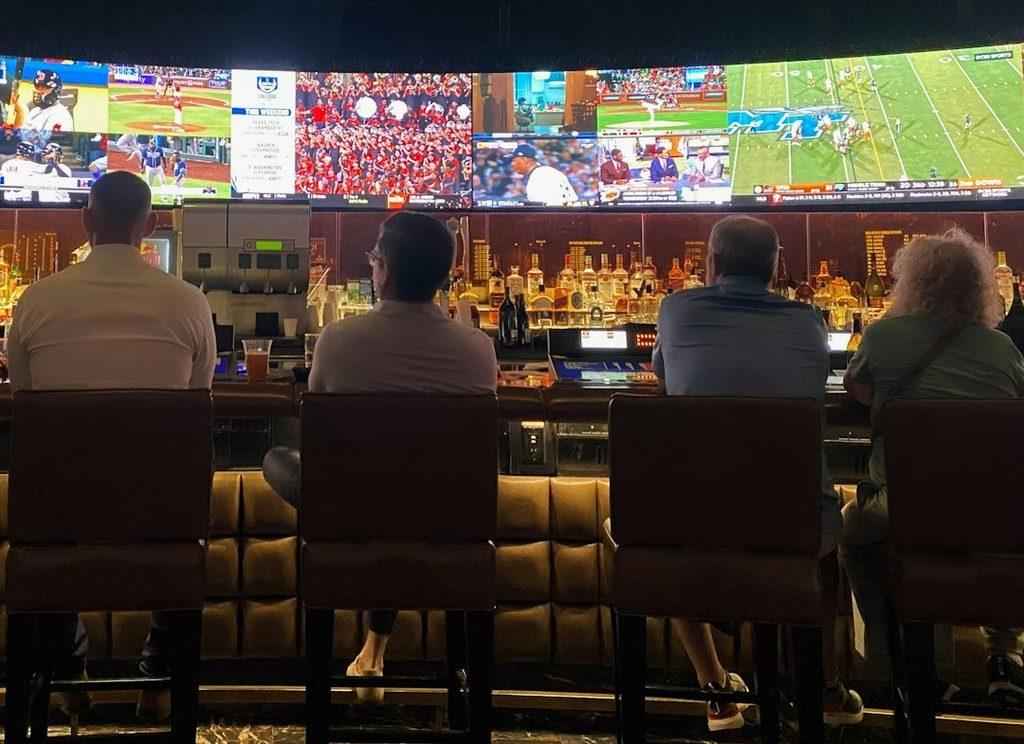
The most visible change is on screens. Odds now appear on broadcasts, in team apps and on billboards along the highways into the city. Much of this ties into a broader shift in how sportsbooks are changing how fans connect with each other during a game.
Day to day, New Yorkers have noticed several shifts:
- The trip across the Hudson to place a legal bet is no longer needed.
- Watch parties now feature talk of lines alongside talk of tactics.
- Sponsorship deals with betting brands appear across arenas and broadcasts.
- Phones must confirm a user is physically inside New York State.
That last point matters more than many people realize. Geolocation is the technology that checks where a phone sits before a bet is accepted. A bettor standing in Hoboken uses New Jersey’s market, not New York’s.
Soccer has felt this too. The 2026 World Cup final was played at MetLife Stadium on July 19, a short ride from Manhattan. For one summer, the region sat at the center of the global game, and betting talk followed the crowds.
Where Does the Tax Money Go?
The state directs most of its mobile wagering revenue toward education. Smaller shares fund youth sports programs and problem gambling services. New York is now one of dozens of states on the national state of play map of legal sports wagering.
Supporters of the 51 percent rate point to the revenue it raises. Critics argue it squeezes operators and pushes them to cut promotions. Both sides agree on one thing: New York became one of the largest betting markets in the United States almost overnight.
What Safeguards Apply In New York?
The rules for New York are specific:
- Mobile sports betting is limited to adults aged 21 and over.
- Only licensed operators may accept bets from people inside the state.
- Operators must display responsible gambling messages and helpline numbers.
- Self-exclusion programs let a person bar themselves from betting.
Online betting is lawful in New York, but rules differ sharply elsewhere. Some countries grant licenses to private firms, others run a state monopoly, and many ban it outright. Before anything else, check the rules of your own country or state.
None of this counts as legal or financial guidance for your situation. Betting is entertainment with a cost, never a way to earn money. The house always keeps a built-in edge over time.
Help is free and confidential. Call 1-800-GAMBLER, or reach the New York HOPEline at 1-877-8-HOPENY. Anyone unsure about their own habits can read what happens in a confidential gambling addiction test before reaching out.
Frequently Asked Questions
When Did Mobile Sports Betting Start In New York?
It began on January 8, 2022, after the state approved its first group of mobile operators.
Can You Bet From New Jersey On a New York Account?
No. Each state checks your physical location, so a bet placed in New Jersey falls under New Jersey’s market and rules.
What Is the Legal Age for Sports Betting In New York?
The minimum age for mobile sports betting in New York is 21.
Why Is New York’s Tax Rate So High?
The state set a 51 percent rate on gross gaming revenue. Lawmakers expected the size of the market to sustain it and wanted the revenue for schools.
A City That Bets the Way It Does Everything Else
New York came late to legal sports betting, then went big. The bridge traffic faded, the apps arrived, and the conversation at the bar changed.
For fans who simply love the game, the main shift is cultural. Odds are now part of the background noise of a New York sports night. Understanding where that noise comes from makes it easier to enjoy the game on your own terms.