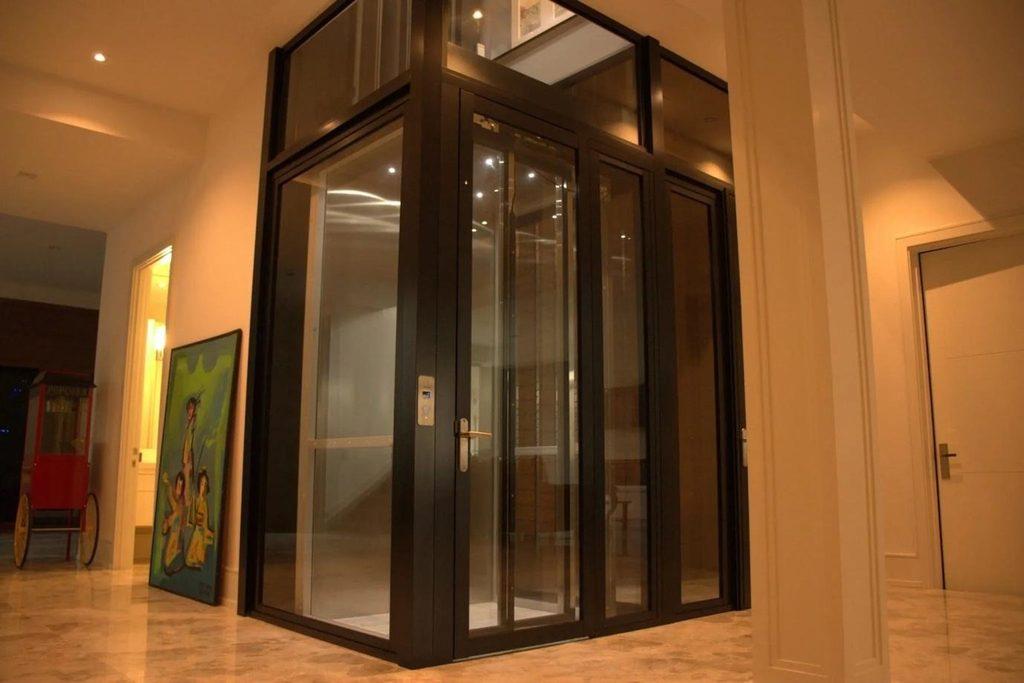
How Luxury Home Elevator Delivers Modern Residential Lifts and Elevators
A staircase quietly decides how much of a house is genuinely usable, and that becomes obvious the moment moving with a walker turns into an obstacle. Luxury Home Elevator addresses that limitation with residential lifts and elevators that the architecture can absorb rather than merely tolerate. What separates a considered installation from a routine one shows up in how carefully the property is assessed and how the equipment behaves after several years of daily operation. The company has built its practice on that distinction, treating vertical access as part of the structure rather than an accessory.
Assessment That Starts With the Structure
No two properties present the same constraints, and floor framing, ceiling depth, plumbing runs, and panel capacity all shape what is possible. Each project begins with a site survey that records those conditions before equipment enters the conversation. Measurements establish whether a stacked closet, stairwell void, or planned addition offers the cleanest vertical path, and structural notes flag anything that needs reinforcement. Resolving those questions first prevents the expensive revisions that follow decisions made from drawings alone.
Equipment Ranges That Cover Different Needs
Households arrive with different problems, and a single product line rarely answers all of them. Luxury Home Elevator covers the full range, so a cab elevator can serve homes moving people and belongings across several floors, while a seated lift resolves one flight without altering the structure. Platform equipment handles short rises at entries and split levels where a wheelchair travels with its user. Matching the category to daily movement through the house, rather than to the largest available option, keeps cost and construction proportionate to the need.
Choosing a Drive System for Quiet Daily Use
Drive type governs ride quality, noise, pit depth, and how much machine space the installation consumes. A hydraulic lift for home use delivers smooth travel and generous capacity where a separate pump closet is available, while traction and cable drum arrangements suit tighter footprints. Each option carries different maintenance intervals and energy demands worth weighing at the planning stage. The company evaluates the structure, the expected frequency of use, and local code before recommending a direction rather than defaulting to one system.
Cab Finishes Matched to the Interior
A residential cab occupies finished living space, so its materials have to stand comparison with the flooring, woodwork, and hardware already installed. Hardwood panels, glass enclosures, custom gates, and lighting schemes can be specified alongside a designer or builder rather than chosen from a limited catalog. Handrails, control panels, and flooring are selected as a coordinated set, which keeps proportions correct inside a compact volume. The finished installation reads as part of the architecture instead of a utility dropped into the middle of it.
Installation Coordinated Under One Team
Coordination failures cause most delays on residential lift projects, especially when framing, electrical, and equipment crews answer to different companies. Luxury Home Elevator keeps shaft preparation, wiring, delivery, and final assembly on one schedule, with each trade briefed on the tolerances the equipment demands. Inspections are arranged within that sequence rather than treated as an afterthought. Homeowners deal with one point of contact from first measurement through final walkthrough.
Service That Continues After Installation Day
Mechanical equipment in daily use requires scheduled attention, and a documented service record protects both safety and resale value. Luxury Home Elevator provides planned visits covering cable and chain tension, fluid condition, door interlocks, emergency communication, and battery backup. Each inspection is recorded, leaving a history available for future work or a sale. Prompt response to service calls keeps small adjustments from becoming failures that take a lift out of use for weeks.
Conclusion
Dependable vertical access comes from accurate assessment, equipment matched to the property, finishes that respect the interior, and maintenance that continues after commissioning. Each depends on professional judgment applied to a specific house rather than a standard package repeated across every job. Homes fitted this way gain convenience and independence that stairs cannot offer, along with equipment that keeps running quietly for years. Careful planning at the outset is what makes that result ordinary instead of exceptional.