How Dough Handling Affects Bread Texture, Fermentation, and Final Quality
Good bread depends on more than a strong recipe. The way dough is mixed, rested, divided, shaped, proofed, and baked can influence its texture, volume, crust, and internal structure. Even when two batches use the same ingredients, different handling methods can produce noticeably different results.
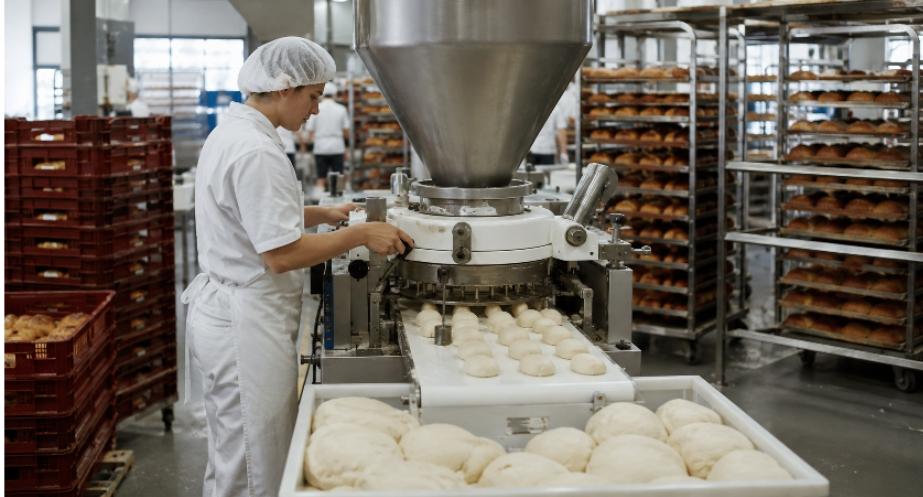
Using a professional Dough Divider can help bakeries control one of the most important stages of production. By dividing a large dough batch into more uniform portions, the equipment reduces repeated manual cutting and weighing. This allows each piece to move through proofing and baking under more similar conditions.
Dough Development Begins During Mixing
Mixing combines flour, water, yeast, salt, and other ingredients into a workable dough. During this stage, gluten begins to develop and creates the structure that helps dough hold gas.
If the dough is under-mixed, it may lack strength and fail to rise properly. If it is over-mixed, it may become too warm or lose some of its desired texture. Commercial bakeries therefore need to control mixing time, dough temperature, and ingredient order.
Dividing cannot correct a poorly mixed dough, but it can help preserve the consistency created during mixing. When the batch is divided efficiently, the dough spends less time waiting and is less likely to be handled differently from one piece to another.
Resting Time Changes Dough Behaviour
After mixing, many dough recipes require a resting period. This allows the flour to absorb water and gives the gluten time to relax.
A properly rested dough is often easier to divide and shape. It may also stretch more smoothly without tearing. However, if the dough rests for too long, fermentation can continue beyond the intended level.
In a busy bakery, delays during portioning may cause one part of the batch to rest much longer than another. The first pieces may move to shaping quickly, while the last pieces remain on the worktable.
This timing difference can affect proofing and final product size. A faster dividing process helps the whole batch move forward within a more controlled period.
Portion Weight Influences Fermentation
Each piece of dough continues fermenting after it has been divided. The size and weight of the portion can influence how quickly it warms, expands, and develops.
A smaller portion may reach the desired proofing stage faster than a larger one. If both pieces are placed in the oven at the same time, they may not produce the same result.
Consistent portions help bakery teams manage proofing schedules more accurately. When pieces have similar weights, they usually respond more evenly to temperature, humidity, and resting time.
This is especially important when producing large batches of rolls, buns, pizza portions, or small bread loaves.
Gentle Handling Protects Gas Structure
Fermentation creates gas inside the dough. This gas becomes trapped within the gluten structure and helps the product rise.
Some gas must be released during dividing and shaping, but excessive pressure or rough handling can remove too much. The dough may then become dense or fail to achieve the expected volume.
Bakery staff should avoid unnecessary pulling, squeezing, or repeated cutting. Efficient dividing reduces the amount of manual adjustment required after the dough has been portioned.
The goal is not to avoid all pressure. It is to use enough controlled force to create portions without damaging the dough more than necessary.
Uniform Pieces Proof More Evenly
Proofing is the stage when shaped dough rises before baking. Temperature, humidity, yeast activity, dough weight, and recipe composition all influence proofing time.
When pieces vary greatly in size, they may reach the correct proofing level at different times. Smaller products can become over-proofed while the larger ones are still developing.
Over-proofed dough may collapse, spread too much, or produce a weak structure. Under-proofed dough may have limited volume, a tight crumb, or cracks in the crust.
Uniform portions make it easier to proof a full batch together. Bakery teams can use a more consistent schedule instead of checking and removing individual pieces at different times.
Product Shape Starts With Accurate Dividing
Shaping becomes easier when each portion begins with a similar amount of dough. Workers can follow the same movement and use the same molds, trays, or shaping equipment.
When portion weights vary, the finished products may look uneven even if they are shaped carefully. A larger portion may spread beyond the expected size, while a smaller one may not fill the mold properly.
Accurate division supports cleaner presentation for products such as:
- Burger buns and sandwich rolls
- Dinner rolls and breadsticks
- Pizza dough portions
- Small loaves and specialty breads
- Sweet buns and filled dough products
Consistent appearance can improve customer confidence and make packaged products look more professional.
Portion Size Affects Baking Time
The oven transfers heat from the outside of the product toward the center. Larger pieces usually require more time to bake fully, while smaller pieces heat more quickly.
If a tray contains mixed portion sizes, some products may become too dark or dry before others are properly baked. The bakery may need to remove individual pieces or accept uneven results.
Using a reliable Dough Divider can help create portions that bake at a more similar rate. This allows the team to use standard baking times with greater confidence.
More consistent baking can improve crust color, internal moisture, crumb texture, and overall batch quality.
Crumb Structure Reflects the Full Process
The crumb is the internal structure of bread. It may be soft and even, open and airy, or dense and tight depending on the product.
Several factors affect crumb structure, including hydration, gluten development, fermentation, shaping, proofing, and baking. Portioning also plays a supporting role because uneven pieces can experience different proofing and heat conditions.
When dough pieces are handled consistently, the final crumb is more likely to match the bakery’s intended product standard.
For example, sandwich buns may require a soft and even crumb, while artisan-style bread may need a more open structure. Controlled dividing helps the bakery repeat these results across many batches.
Dough Temperature Must Be Managed
Dough temperature influences yeast activity. Warm dough usually ferments faster, while cooler dough develops more slowly.
During manual portioning, repeated handling can warm the dough. Long delays may also expose some parts of the batch to room temperature for longer than others.
In a warm bakery, this difference can become more noticeable. The first and last pieces from the same batch may behave differently during proofing.
Efficient equipment can reduce dividing time and help limit unnecessary temperature changes. However, bakeries should still monitor room conditions, ingredient temperature, mixer heat, and proofing settings.
Different Recipes Require Different Handling
A single bakery may produce several types of dough. Lean bread dough, enriched bun dough, pizza dough, and sweet dough do not always respond in the same way.
Lean dough often contains flour, water, yeast, and salt. Enriched dough may include butter, oil, sugar, milk, or eggs. These ingredients can change softness, stickiness, strength, and fermentation speed.
Highly hydrated dough may require more careful handling because it can be softer and more difficult to portion. Firm dough may be easier to control but may need different pressure settings.
The bakery should select dividing methods based on the actual recipes being produced. Testing normal dough batches can help determine the best operating procedure.
Consistency Helps With Quality Control
Quality control becomes easier when each stage of production follows a clear standard. Bakery managers can set target dough weight, proofing time, baking temperature, finished weight, and product size.
If portions are inconsistent, it becomes difficult to identify the cause of a problem. A loaf may be too small because of low dough weight, poor fermentation, incorrect shaping, or baking loss.
Accurate portioning removes one major source of variation. This helps the team study other factors more clearly and make better production decisions.
Regular weight checks should still be performed. Equipment supports control, but staff should confirm that portions remain within the bakery’s accepted range.
Reduced Reworking Protects Dough Quality
When dough is divided manually, workers may need to add or remove small pieces to reach the target weight. The portion may then be pressed together again before shaping.
This repeated adjustment takes time and may create weak areas in the dough. It can also lead to uneven texture if the added piece does not combine smoothly.
More accurate dividing reduces the need for reworking. Dough portions can move directly to rounding or shaping with less additional handling.
This supports both efficiency and product quality, especially when the bakery produces hundreds or thousands of pieces per shift.
Staff Training Still Matters
Bakery equipment performs best when employees understand both the machine and the dough.
Operators should know how to load the batch, choose suitable settings, follow safety procedures, and identify poor dividing results. They should also understand how dough temperature, fermentation, and hydration affect machine performance.
Training should include cleaning and inspection routines. Dough residue should not be allowed to build up on food-contact surfaces or around moving components.
Employees should report unusual sounds, changes in pressure, inaccurate portions, or damaged dough. Early attention can prevent larger quality or maintenance problems.
Clean Equipment Supports Better Results
Cleanliness protects food safety, but it also affects machine performance. Dried dough or ingredient buildup may prevent parts from moving correctly or create uneven pressure.
Food-contact surfaces should be cleaned according to the equipment instructions. The machine should be switched off safely before cleaning or inspection.
A daily cleaning routine can include removing loose dough, wiping accessible surfaces, and checking areas where residue commonly collects. Deeper cleaning and maintenance should be scheduled as required.
Consistent cleaning helps the equipment remain reliable and reduces the risk of cross-contamination between recipes.
Better Handling Creates More Reliable Products
Bread quality is the result of many connected decisions. Mixing, fermentation, dividing, shaping, proofing, and baking must support each other.
Controlled dough division helps protect the work completed during earlier stages. It gives each piece a more equal starting point before proofing and baking.
The benefits may include more uniform size, improved baking consistency, reduced reworking, better crumb structure, and a more professional appearance.
Equipment cannot replace a well-developed recipe or an experienced bakery team. However, it can make important production stages easier to repeat and control.
For bakeries seeking professional equipment that supports accurate dough handling and dependable product quality, mirabake.com provides solutions for commercial bakery production.