How Do You Choose Blush Makeup for Olive Undertones?
Choosing blush makeup for olive undertones starts with understanding how olive skin reacts to color. Olive complexions often carry a green, golden, or muted cast, so blush can turn too orange, too bright, or oddly ashy if the tone is off. The goal is to pick shades that bring life to the face without fighting your natural coloring. That usually means paying close attention to depth, saturation, and the balance between warm and cool tones. Peach, terracotta, rose, mauve, berry, and milky pink can all work beautifully when matched carefully to your skin depth and the finish you want.
Assess Your Olive Coloring Before Choosing Blush
Separate Skin Depth From Undertone
Start by separating two things people often confuse: skin depth and undertone. Depth refers to how light or deep your complexion is, while undertone describes the subtle color beneath the surface. Olive undertones can appear in fair, medium, tan, or deep skin, so one blush family will not suit every olive complexion in the same way. A muted peach may flatter light olive skin, while a richer terracotta can look more balanced on deeper olive tones. When you judge blush, first ask whether the shade is light enough, deep enough, or too stark before assessing its warmth or coolness.
Compare Warm, Cool, and Neutral Color Effects
Once you know your depth, compare how warm, cool, and neutral blush tones affect your face. Warm shades such as apricot, peach, and terracotta can brighten olive skin and enhance golden tones. Cool shades like mauve, soft berry, and blue-based rose create contrast, which can make olive undertones look fresher and more defined. Neutral blushes sit between those effects and usually look the most natural for everyday wear. If a blush pulls orange, it is too warm. If it looks gray or flat, it is too cool or too muted. The best shade looks clear, balanced, and alive.
Match Blush Color Families to Your Preferred Effect
Peach and Terracotta for Added Warmth
Choose peach and terracotta blush when you want warmth, softness, and a healthy sun-touched effect. On olive undertones, peach works especially well when it has some muted depth rather than a bright candy quality. Terracotta gives more structure and looks particularly flattering on medium to deep olive skin because it echoes natural warmth without turning neon. These shades pair well with bronzed makeup, golden highlighter, and neutral lips. If your complexion already runs very yellow or green, keep the blush slightly rosy or brown-leaning instead of strongly orange. That adjustment prevents the color from overpowering your skin and looking too harsh.
Rose, Mauve, and Berry for Pink-Toned Color
Pick rose, mauve, or berry blush when you want a true pink-toned flush rather than added warmth. These shades often work surprisingly well on olive undertones because they offset green and golden tones, making the skin look clearer and more vibrant. Soft rose gives a classic fresh-cheek effect, mauve looks polished and slightly muted, and berry adds depth with more drama. Match the intensity to your skin depth so the color shows without looking heavy. If bright pink appears artificial on you, move toward dusty rose or muted berry. Those tones keep the effect refined while still adding noticeable life.
Milky Pink for a Delicate Pastel Effect
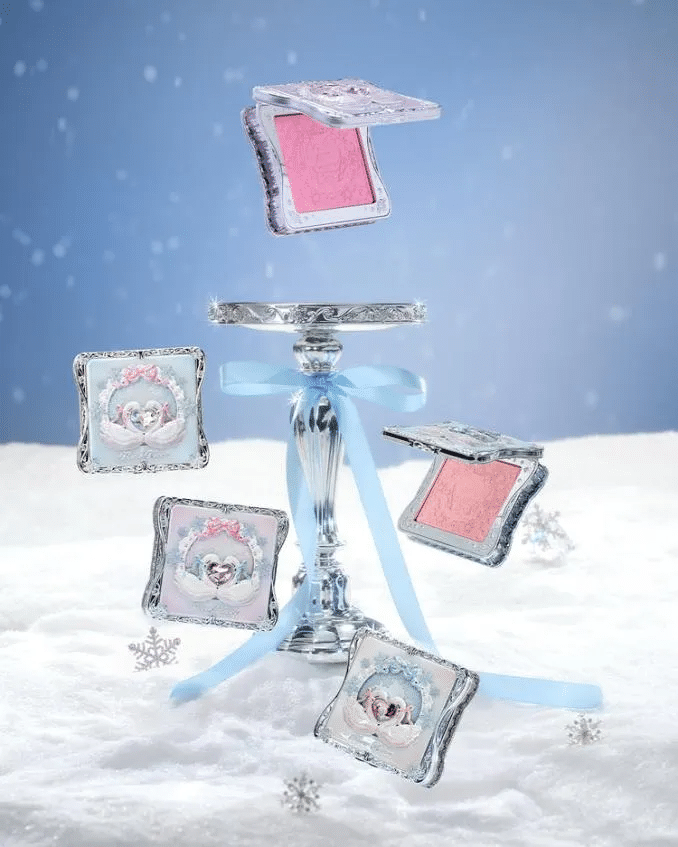
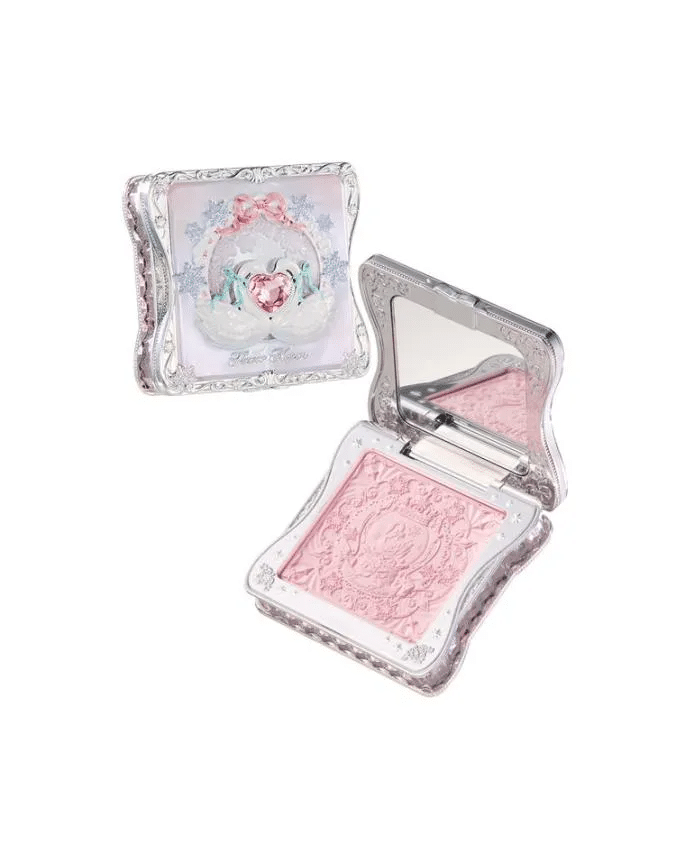
Milky pink blush creates a delicate pastel effect that can look fresh on olive undertones when the shade stays soft and slightly muted rather than chalky. This option works best if you want a gentle, airy flush instead of warmth or strong contrast. Flower Knows Snow Ballet Air Blush in 01 Snowy Strawberry fits this look well with its soft milky pink tone, finely milled powder, and ultra-fine blush texture that glides smoothly. Apply lightly, especially on fair to light-medium olive skin, so the color reads tender and bright. On deeper olive tones, pair milky pink with a slightly richer base tone.
Test Blush Over the Base You Actually Wear
Apply a Thin Layer and Check in Daylight
Always test blush makeup over your usual base, whether that means bare skin, skin tint, foundation, or setting powder. Olive undertones can shift noticeably depending on coverage and finish, so a shade that looks balanced on bare skin may turn dull or too strong over a perfected base. Apply a thin layer first and blend it fully across the cheeks rather than judging a concentrated swatch. Then check the color in daylight. Natural light reveals whether the blush looks harmonious, too orange, too purple, or too pale. This quick step gives a much more reliable answer than indoor lighting alone.
Adjust Color Before Adding More Product
Before adding more blush, adjust the color if the first layer looks slightly off. If the shade appears too warm, soften it with a neutral or pinker blush on top. If it looks too cool or flat, add a touch of peach or bronzer nearby to restore warmth. This approach works better than piling on the original shade and hoping intensity will fix the problem. Olive undertones usually respond best to balance, not excess. Building slowly helps you keep the cheeks believable and smooth. The right blush should enhance your complexion immediately, not require heavy application to make sense.
Conclusion
To choose blush makeup for olive undertones, focus on three factors: depth, temperature, and saturation. First, match the shade to your skin depth, then decide whether you want warmth, contrast, or a soft pastel effect. Peach and terracotta add glow, rose and mauve create fresh pink-toned definition, and milky pink offers a lighter, delicate finish. Test every blush over your usual base and in daylight so the true undertone shows. When a shade looks lively instead of orange, gray, or chalky, you have found the right match. That clear process makes blush selection much easier and more accurate.