How AI Marketing Can Help Brands Build a Consistent Identity Across Different Digital Platforms
A brand can have an excellent product, competitive pricing and a carefully planned advertising budget, yet still struggle to create a recognisable identity online. One reason is that its promotional material may look different across websites, social media platforms, online stores and advertising campaigns. A logo might remain unchanged, but colours, photography styles, typography and messaging can vary considerably. When customers encounter these inconsistent presentations, it becomes harder for them to recognise the business and understand what makes it different from competitors.
Maintaining a recognisable identity becomes even more challenging when a company operates across several platforms or targets customers in different countries. A campaign designed for Instagram may need a completely different format for a website banner, while promotional material for an international audience may require changes in language, imagery and cultural references. Producing these variations manually can consume considerable time, especially for smaller marketing teams that have limited creative resources. Businesses therefore need a practical way to adapt their content without losing the characteristics that make their brand recognisable.
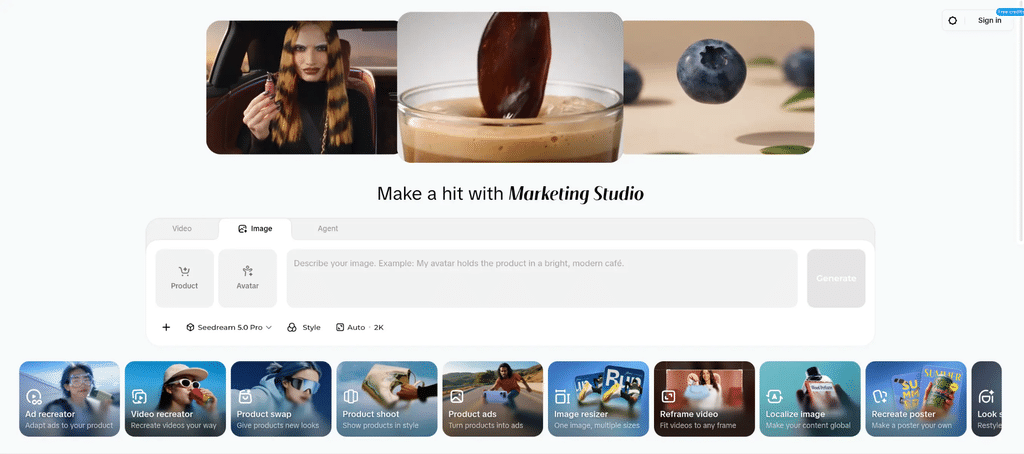
This is where ai marketing can contribute to a more organised creative process. Artificial intelligence can support visual development, content adaptation, creative experimentation and the production of marketing assets for different channels. Instead of treating every advertisement as an independent design project, businesses can develop a consistent creative direction and use intelligent tools to produce suitable variations. The objective is not to make every promotional asset look identical, but to ensure that different campaign materials still communicate the same brand identity.
Why Brand Recognition Depends on Visual Consistency
Customers often recognise businesses through repeated visual characteristics rather than reading every message in full. A particular combination of colours, typography, photography style and design composition can become associated with a brand over time. When these elements appear consistently across different platforms, they help create familiarity. This familiarity is particularly important in crowded digital markets where users encounter numerous advertisements and promotional messages within a short period. A recognisable visual identity gives a business a better opportunity to establish a connection before a customer even reads the advertisement.
Consistency, however, does not mean restricting every creative decision to one fixed template. A company may need different designs for product launches, seasonal promotions, educational campaigns and customer announcements. Each format can have its own visual arrangement while maintaining common brand characteristics. The challenge is to understand which elements should remain unchanged and which can be adjusted according to the purpose of the campaign. Businesses that establish these boundaries early can produce varied content without allowing their visual identity to become confusing.
How AI Can Turn Brand Guidelines Into Practical Creative Instructions
Brand guidelines often contain information about approved colours, typography, logo placement, photography preferences and writing style. Although these documents provide direction, applying them consistently across dozens of creative assets can be difficult. Marketing teams may interpret the same instructions differently, particularly when several designers, agencies or content creators work on one project. AI-assisted creative workflows can help turn general brand requirements into more specific instructions that guide the production of individual campaign materials.
For example, a furniture company might define its visual identity around natural textures, neutral colours, clean backgrounds and minimal product photography. These characteristics can be included in creative references and prompts when developing new promotional visuals. The resulting designs still require human review, but having a clear reference makes it easier to identify whether a generated image fits the intended style. Over time, businesses can develop reusable creative instructions that reduce unnecessary experimentation and make collaboration between marketing teams more efficient.
Why One Campaign Needs Different Creative Formats
Digital platforms do not present content in the same way. A website homepage may provide enough space for a large promotional image and detailed information, while a mobile advertisement needs to communicate its message within a much smaller area. Vertical videos, square social media posts, landscape banners and product listing images each have different design requirements. Simply resizing one creative asset may cause important details to become difficult to see or place the main subject in an unsuitable position.
Businesses should therefore plan campaign assets according to the environment in which customers will encounter them. A promotional campaign for a new smartphone, for example, could include a detailed product image for an online store, a short vertical video for social media and a wider visual for a website landing page. All three assets can communicate the same product benefits while using different compositions. AI-assisted image and video production can make it easier to explore these variations, although every final version should be checked for readability, visual balance and accurate product representation.
How AI Supports Creative Localisation for International Markets
International marketing involves more than translating a headline into another language. Customers in different regions may respond to different visual references, communication styles, seasonal events and product presentation methods. A campaign that feels natural to one audience might appear unfamiliar or inappropriate to another. Businesses entering new markets should therefore consider cultural context when adapting their promotional material rather than assuming that one global advertisement will work equally well everywhere.
AI tools can assist with developing regional creative variations from an existing campaign concept. A clothing retailer, for instance, may need promotional images that reflect different seasonal conditions in Australia, the United Kingdom and the Middle East. The original product photography can provide a reference for developing suitable creative concepts, while the accompanying copy can be reviewed and adapted for the intended audience. However, local knowledge remains essential. Language accuracy, cultural sensitivity, clothing representation and regional advertising requirements should be checked by people familiar with the target market before publication.
How Product Photography Can Become a Reusable Marketing Resource
Product photography is often treated as a one-time requirement for launching an online store or advertising campaign. In reality, a well-organised collection of product images can support many different marketing activities over time. The same product may need to appear in a catalogue, promotional poster, social media advertisement, email campaign and seasonal landing page. Reusing existing product photography can reduce the need for repeated production, provided that the original images are suitable and the product remains accurately represented.
AI image tools can help marketers explore new backgrounds, lighting arrangements and lifestyle settings using existing product references. For example, a company selling home accessories could use an original product photograph to develop concepts showing the item in different interior environments. This allows the marketing team to compare visual directions without arranging a separate photography session for every idea. Dreamina can be useful in this creative stage because its image-generation capabilities allow users to work with prompts and visual references when developing marketing imagery. The finished material should still be examined carefully to ensure that product dimensions, colours, labels and physical details have not been unintentionally changed.
How AI-Generated Video Can Give Static Campaigns More Movement
Static images remain useful for product promotion, but video offers additional opportunities to demonstrate features, explain benefits and communicate a product’s use. Producing videos for every campaign can be demanding because traditional production may involve filming equipment, locations, presenters, editing and multiple revisions. Businesses with limited resources may find it difficult to create enough video material to maintain a regular publishing schedule across different platforms.
Image-to-video technology provides another creative option by allowing marketers to explore movement from existing visual assets. A product photograph can become the starting point for a short promotional concept, while an existing reference clip may help guide the visual direction of a new advertisement. These methods can be useful for developing early concepts and experimenting with presentation styles. However, generated movement should not introduce unrealistic product behaviour or misleading demonstrations. For products where physical performance, safety or precise operation matters, authentic footage and technical review remain especially important.
How Marketing Teams Can Organise AI-Assisted Creative Production
Using multiple creative tools without a defined process can create more confusion than efficiency. Different team members may produce similar assets, save files under inconsistent names or use outdated versions of product images. A structured workflow helps prevent these problems by defining how campaign materials are planned, created, reviewed, approved and stored. Businesses should begin with a central collection of approved logos, product photographs, fonts, colour references and other brand resources. This gives everyone involved a reliable starting point.
The next step is to establish clear responsibilities for creative development and approval. One person may prepare prompts and initial concepts, another may review visual quality, and a marketing manager may confirm whether the final material meets campaign objectives. Approved assets should be stored with useful labels showing their intended platform, language, campaign and version. This becomes particularly valuable when a business manages several products or operates across multiple regions. AI can accelerate parts of the production process, but an organised approval system helps ensure that speed does not come at the expense of quality.
How to Protect Brand Reputation When Using Generative AI
Generative systems can create convincing visuals, but they may also produce inaccurate details that are difficult to notice immediately. A product image might contain an altered label, an incorrect feature or a visual element that does not exist in the real item. If such material is published without checking, customers may develop expectations that the actual product cannot meet. This can lead to complaints, returns and damage to the company’s reputation. Businesses should therefore establish quality checks that are appropriate to the type of material being produced.
Copyright, licensing and responsible use of references also deserve attention. Marketing teams should understand whether they have permission to use the images, videos, music and other materials supplied to an AI system. They should also review platform policies and applicable laws concerning generated content, likenesses and advertising claims. Where realistic people or customer testimonials are involved, businesses should avoid presenting synthetic material as genuine customer experiences. Clear internal standards can help teams experiment with new creative methods while protecting the trust they have built with their audience.
Measuring Whether a Consistent Creative Identity Improves Campaign Performance
A recognisable brand identity is valuable, but businesses should not assume that visual consistency automatically improves every campaign result. Different audiences may respond to different formats, messages and product presentations. Measuring performance helps marketing teams understand which creative decisions are contributing to meaningful outcomes. Depending on the campaign, useful indicators may include brand recall, engagement, website visits, qualified enquiries, conversion rates and repeat purchases.
Businesses can also compare creative variations while keeping other campaign conditions as consistent as possible. For example, they might test two versions of a social media advertisement using the same audience and offer but different visual compositions. The results can reveal whether a particular layout or presentation style attracts more relevant attention. It is important to consider the full customer journey rather than judging a creative asset only by its initial engagement. A design that generates fewer clicks may still attract more qualified visitors or produce better sales results. These findings can help businesses refine their brand guidelines and develop more effective creative standards over time.
Conclusion
Building a recognisable brand across multiple digital platforms requires more than repeating a logo or using the same colour palette in every advertisement. Businesses need to maintain a clear creative direction while adapting their content to different audiences, formats and market conditions. AI-assisted tools can support this process by helping teams explore visual concepts, develop product imagery, create promotional videos and produce campaign variations from existing references.
The strongest results come from combining these capabilities with well-defined brand guidelines, organised production workflows and careful human review. Product accuracy, cultural relevance, copyright considerations and customer expectations should remain central to every creative decision. When used as part of a structured marketing process, AI can help businesses produce more adaptable campaign material while preserving the distinctive identity that customers recognise and trust.
Frequently Asked Questions
1. Why is visual consistency important for a business?
Visual consistency helps customers recognise a business across different platforms and marketing materials. Repeated use of suitable colours, typography, imagery and design characteristics can make a brand more familiar and distinguishable from competitors.
2. Can AI help maintain brand identity across social media platforms?
AI can assist with creating and adapting visual assets for different platform formats. Businesses can use approved brand references and creative instructions to guide the production process. Human review is still necessary to ensure that the final designs follow brand guidelines.
3. Can AI generate different versions of the same product advertisement?
Yes. AI image and video tools can help develop alternative backgrounds, compositions, promotional concepts and formats using existing product references. Businesses should verify that every variation accurately represents the actual product.
4. How can international businesses use AI for marketing localisation?
Businesses can use AI to explore regional content variations, adapt promotional copy and develop visuals for different markets. Local reviewers should check language, cultural references, product information and advertising requirements before the content is published.
5. Does AI-generated marketing content need human approval?
Yes. Human approval helps identify inaccurate product details, unsuitable imagery, inconsistent brand presentation and potentially misleading claims. It also ensures that creative material supports the company’s actual marketing objectives.
6. Can small businesses benefit from AI-assisted creative production?
Small businesses can use AI to explore promotional concepts, adapt product images and develop campaign materials without arranging a separate production process for every variation. Starting with a limited number of practical use cases can help them understand the value before investing in additional tools.