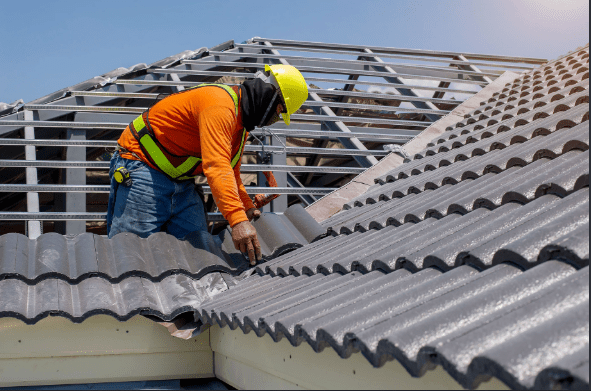
How a Roof Replacement Can Protect Your Home From Weather Damage
When was the last time you inspected your roof for signs of wear? Most homeowners don’t think about their roofs until a problem becomes visible from inside the house, but by that point, weather damage may have already compromised the structure. A roof replacement offers more than just cosmetic improvements. It serves as your home’s primary defense against rain, hail, wind, and temperature extremes that can cause costly interior damage. Understanding how a new roof protects your property helps explain why this investment pays dividends over time.
1. Sealing Out Water Intrusion
Water infiltration is one of the most damaging problems a home can face, and an aging or damaged roof is the primary entry point. When shingles become worn, curled, or missing, water seeps through the underlying layers and reaches the structural framing, insulation, and living spaces below. A new roof installs waterproof materials designed to shed water efficiently, whether it arrives as heavy rainfall or melting snow. Modern roofing systems include protective barriers and proper flashing around penetrations like vents and chimneys that prevent water from finding alternate paths into your home. Without these protective layers, water can accumulate in your attic and walls, leading to mold growth, wood rot, and foundation problems that cost thousands to repair.
2. Withstanding High Wind Events
Strong winds during storms place enormous stress on roofing materials, especially those that are aging or already compromised. Older roofs with lifted, cracked, or deteriorated shingles offer little resistance when wind gusts catch them. A new roof with properly installed, high-quality shingles and secure fastening can withstand wind speeds that would devastate an older system. Modern roofing materials are engineered to perform under specific wind ratings, which vary based on your geographic location and local building codes. If you live in an area prone to hurricanes, tornadoes, or severe thunderstorms, a structurally sound roof becomes even more critical for protecting both your family and your belongings.
3. Preventing Hail Damage and Impact Degradation
Hailstorms can destroy roofs in minutes, leaving behind cracked shingles, dents, and punctures that compromise the protective barrier above your home. Asphalt shingles, the most common roofing material, can be particularly vulnerable to hail impact, especially as they age and become more brittle. Roof replacement gives homeowners the opportunity to choose impact-resistant materials, such as architectural shingles, metal roofing, or tile, which can better withstand hail damage during severe storms. These premium materials often come with warranties specifically covering hail impact, providing additional peace of mind. Even if hail does damage a new roof, the structural integrity beneath usually remains intact, whereas older roofs often suffer compounding problems when impact combines with existing wear.
4. Managing Temperature Fluctuations and UV Exposure
Temperature swings and constant exposure to ultraviolet radiation break down roofing materials over time, causing them to become brittle, fade, and lose their water-repelling properties. In regions with intense sunlight, this deterioration accelerates, leaving roofs vulnerable after just 15 to 20 years. A new roof is composed of fresh materials with full protective coatings that reflect heat and resist UV damage much more effectively than aged materials. Some modern roofing products include reflective coatings that reduce heat absorption, which can also lower cooling costs during hot months. By replacing an aging roof before it reaches this point of degradation, you maintain consistent protection against the elements while potentially improving your home’s energy efficiency.
5. Addressing Hidden Structural Damage
When a roof replacement is performed, contractors inspect the underlying structure for decay, water damage, and deterioration that may not be visible from casual observation. Catching these issues early prevents them from escalating into larger, more expensive problems that affect multiple areas of the home. Water damage to roof decking, rafters, and trusses can weaken your home’s structural support if left unaddressed for extended periods. A professional roof replacement includes repairing any rot or damage discovered during installation, ensuring that the new roof sits on a solid, stable foundation. This proactive approach protects your home from progressive deterioration that could eventually compromise the entire structure and require far more extensive remediation.
Conclusion
A roof replacement is far more than a surface-level renovation. It restores your home’s ability to repel water, resist wind damage, withstand hail and impact, and maintain consistent protection against temperature and UV exposure. The decision to replace an aging roof is an investment in your home’s structural integrity and long-term value. By addressing roofing problems before they cascade into water damage, mold, rot, and foundation issues, you protect your family and avoid exponentially higher repair costs over time. Whether your roof is showing obvious signs of age or you want to ensure maximum weather protection for years to come, replacing it provides the comprehensive defense your home requires.
Home energy efficiency is also becoming an important consideration for homeowners making improvements to their properties. Alongside upgrades such as better roofing materials and insulation, modern energy solutions can help households manage electricity consumption and improve resilience during extreme weather. Readers interested in practical developments in residential energy technology can explore the Root Nation Home Energy section for information about solar panels, backup power systems, and other home energy solutions.