Heater Installation: A Complete Guide to Reliable Heating and Indoor Comfort
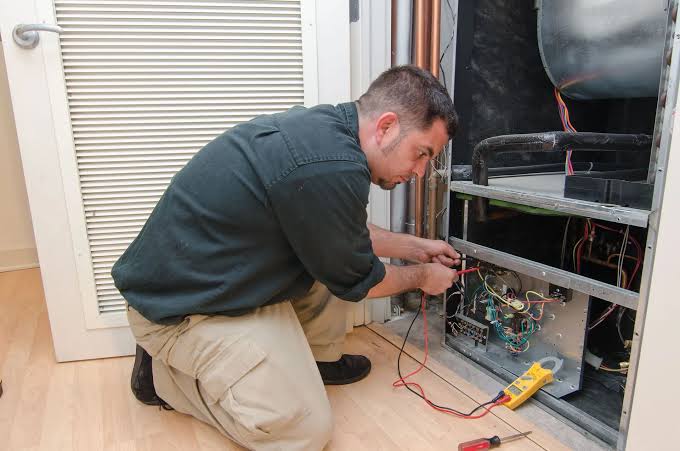
A reliable heating system is an important part of maintaining a comfortable indoor environment during colder weather. Whether a property needs a new furnace, heat pump, or another heating solution, the quality of the installation can have a direct impact on comfort, efficiency, reliability, and equipment lifespan. Choosing the right heating equipment is only the first step because the system must also be properly sized, professionally connected, carefully configured, and thoroughly tested before regular use. Professional heater installation provides the foundation for dependable heating by ensuring that the new equipment is appropriately matched to the property and correctly integrated with existing components such as ductwork, thermostats, electrical connections, ventilation, and airflow systems.A heating system consists of several components that must work together to produce and distribute warmth effectively. Depending on the type of equipment, these components may include burners, heat exchangers, blower motors, ignition systems, electrical controls, thermostats, sensors, filters, ductwork, safety switches, and ventilation components. If one part is incorrectly installed or poorly configured, the entire system may experience reduced performance. Professional installation helps address these details from the beginning, reducing the likelihood of avoidable problems and creating a stronger foundation for long-term heating performance.
Understanding the Importance of Professional Heating Installation
Professional installation is important because heating equipment is not a simple plug-and-play appliance. Every property has different heating requirements, building characteristics, airflow conditions, and existing infrastructure. A system that works well in one property may not be appropriate for another. Before installation, an experienced HVAC professional can evaluate the building and determine what type and capacity of heating system are most suitable.Improper installation can lead to several problems, including uneven heating, excessive cycling, increased energy consumption, restricted airflow, unusual noises, premature component wear, and repeated service requirements. These issues may not always appear immediately, which makes professional installation especially important. Correct installation ensures that the equipment starts its service life under appropriate operating conditions instead of carrying installation-related problems into the future.Professional installation also provides an opportunity to inspect the existing heating infrastructure. Ductwork, electrical connections, thermostat controls, ventilation, and other components may need to be repaired or adjusted before the new equipment is placed into operation. Addressing these concerns during installation can improve overall system performance and help prevent complications later.
Evaluating Heating Requirements Before Installation
Before selecting a new heating system, the property should be evaluated carefully. Heating requirements are influenced by factors such as building size, insulation, windows, ceiling height, room layout, occupancy, and the condition of existing ductwork. Simply replacing an old heater with equipment of the same capacity may not always be the most appropriate solution because the property’s heating needs may have changed over time.Changes to the building can significantly affect heating demand. New insulation, replacement windows, renovations, room additions, or changes in how rooms are used can alter the amount of heat required. A professional assessment takes these factors into consideration and helps determine the appropriate equipment capacity.The existing heating system should also be inspected to identify any problems that may have contributed to poor comfort in the past. If certain rooms have always remained colder than others, the issue may involve ductwork or airflow rather than the heater itself. Identifying these conditions before installation can help ensure that the new system addresses the property’s actual needs.
Choosing the Right Heating Equipment
There are several types of heating systems available, and each offers different advantages depending on the property. Furnaces are commonly used with forced-air duct systems, while heat pumps provide heating through heat transfer and can offer additional functionality depending on the system design. Other heating technologies may also be suitable for specific building requirements.When comparing equipment, property owners should consider heating capacity, efficiency, operating requirements, maintenance needs, controls, installation requirements, and compatibility with the existing infrastructure. Selecting equipment based solely on the lowest purchase price may not provide the best long-term value.Energy efficiency is another important consideration, but the equipment rating should be evaluated alongside proper sizing and installation quality. A highly efficient heater may not perform efficiently if it is too large, too small, poorly connected, or affected by significant airflow problems. The goal should be to select a system that provides an appropriate balance of capacity, efficiency, reliability, and operating cost.
The Importance of Proper System Sizing
Correct sizing is one of the most important parts of installing a heating system. An oversized heater may reach the thermostat setting very quickly and shut down before completing a proper heating cycle. Frequent cycling can affect comfort, increase mechanical wear, and prevent the system from operating as efficiently as intended.An undersized heater can create different problems because it may operate for extended periods while still struggling to maintain the desired indoor temperature. During periods of heavy heating demand, an undersized system may have difficulty keeping the property comfortable and may consume more energy as it attempts to compensate.Professional sizing considers the property’s actual heating load rather than relying on a basic estimate. This approach helps ensure that the equipment can provide sufficient warmth without being unnecessarily oversized. Proper sizing can contribute to more consistent indoor temperatures and more appropriate operating cycles.
Preparing the Installation Area
Proper preparation can make the installation process safer and more efficient. The area around the existing heating equipment should provide sufficient access for removing old components and installing the new system. Technicians need enough working space to make connections, inspect components, and complete testing properly.The placement of indoor equipment should also account for airflow, service access, drainage, and connections to the ductwork. If the system includes outdoor components, adequate clearance should be maintained around those components to support proper airflow and future maintenance.Before installation begins, technicians may inspect the surrounding infrastructure for conditions that could affect the project. Electrical connections, ductwork, ventilation, drainage, and thermostat wiring may all require attention. Identifying these requirements in advance can make the installation process more organized and reduce unexpected complications.
Ductwork and Air Distribution
For forced-air heating systems, ductwork is an essential part of overall performance. The heater produces warmth, but the duct system is responsible for distributing that heated air throughout the property. Leaking, damaged, disconnected, or poorly insulated ducts can reduce the amount of conditioned air that reaches occupied spaces.During installation, existing ductwork should be inspected to determine whether it is suitable for the new equipment. If the duct system has significant leaks or restrictions, repairs may be recommended. Addressing these problems can improve air distribution and help prevent the heater from operating longer than necessary.Return airflow is also important because the heating system needs an adequate supply of air returning to the equipment. Blocked return vents, dirty filters, or restricted ductwork can interfere with proper operation. A complete installation evaluation should therefore consider both supply and return airflow.
Electrical Connections and System Controls
Heating systems depend on electrical components to control motors, sensors, thermostats, ignition systems, circuit boards, and other functions. Proper electrical connections are essential for safe and reliable operation. Incorrect wiring or inadequate electrical service can result in equipment damage, unreliable operation, or safety concerns.A qualified technician can evaluate the electrical requirements of the new equipment and determine whether the existing electrical service is appropriate. Wiring, circuit protection, disconnects, and control connections should be completed according to applicable requirements and manufacturer specifications.The thermostat should also be evaluated during installation. The control system needs to communicate correctly with the new heater so that temperature demands are accurately transmitted. Proper thermostat configuration can help maintain consistent temperatures and prevent unnecessary heating cycles.
Ventilation and Heating Safety
Certain heating systems, particularly combustion-based equipment, require appropriate ventilation and exhaust arrangements. Safe operation depends on correct combustion, proper exhaust, suitable airflow, reliable ignition, and functioning safety controls. These components must be installed and tested carefully.Professional installation is especially important when gas-fired equipment is involved. Gas connections, burners, ignition systems, heat exchangers, and ventilation components require specialized knowledge and should be handled by trained professionals. Improper installation can create serious safety risks.Property owners should never attempt to modify gas lines, burners, combustion controls, or ventilation systems without the appropriate training and qualifications. Professional technicians can inspect these components and verify that the heating system operates according to its design and applicable safety requirements.
Improving Heating Efficiency
Installing a new heating system can provide an opportunity to improve energy efficiency, particularly when replacing old or poorly performing equipment. Modern heating systems may incorporate improved technology that allows them to deliver effective heating while managing energy consumption more efficiently.However, equipment efficiency depends on more than the rating shown on the unit. Poor insulation, duct leaks, restricted airflow, incorrect thermostat settings, and improper installation can all reduce overall performance. A professional installation considers these factors and helps ensure that the equipment is not working against avoidable system limitations.Property owners can further support efficiency by maintaining appropriate thermostat settings, replacing filters as recommended, keeping vents unobstructed, and scheduling regular professional maintenance. These practices complement the benefits of a properly installed heating system.
Thermostat Selection and Temperature Management
The thermostat serves as the primary control point for many heating systems. It monitors indoor temperature and tells the equipment when heating is required. If the thermostat is inaccurate, incompatible, or improperly configured, the heater may cycle incorrectly or fail to maintain the desired temperature.During installation, the existing thermostat should be evaluated to determine whether it is compatible with the new equipment. Depending on the system, property owners may choose programmable or advanced thermostats that provide scheduling and temperature management features.The best thermostat depends on the equipment and the property’s needs. A professional can explain available options and make sure the selected control system is configured correctly. Proper temperature management can improve comfort while helping avoid unnecessary heating operation.
Indoor Airflow and Air Quality
Heating systems circulate indoor air, making airflow an important consideration for comfort and system performance. Filters help capture airborne particles and should be replaced according to equipment requirements. A dirty filter can restrict airflow and cause the heater to work harder.During installation, technicians can consider the accessibility and placement of the filter. A filter that is difficult to reach may be neglected, which can eventually affect airflow and system performance. Making routine maintenance convenient can encourage better long-term system care.If a property has persistent dust, odors, or other indoor air concerns, professional evaluation may be helpful. The cause could involve filtration, ductwork, moisture, ventilation, or another building condition. Identifying the actual source is important before selecting an appropriate solution.
Testing the New Heating System
A heating installation should include comprehensive testing before the system is considered ready for regular use. Simply turning on the heater does not confirm that every component is functioning properly. Professional startup procedures help verify that the equipment is operating according to its design.Testing may include checking thermostat communication, airflow, temperature performance, electrical operation, ignition, blower operation, safety controls, and other system functions. For combustion equipment, appropriate safety and ventilation checks are also important.Thorough testing gives technicians an opportunity to identify installation problems before they become everyday concerns. It also creates a useful performance baseline that can be referenced during future maintenance appointments.
Benefits of Professional Heater Installation
Professional installation can provide several long-term benefits. Proper equipment sizing can improve temperature consistency, while correct connections and configuration can support reliable operation. Attention to ductwork, airflow, electrical systems, controls, ventilation, and safety components can further improve overall system performance.Quality installation may also reduce the risk of premature component wear. When a heater operates under appropriate conditions, its components may experience less unnecessary stress. This can support longer service life and reduce avoidable repair requirements.Another benefit is easier future maintenance. When equipment is installed correctly and service access is considered from the beginning, technicians can inspect and maintain the system more effectively. Proper installation documentation can also be useful for future service and troubleshooting.
Replacing an Existing Heating System
Many heating installations involve replacing old equipment rather than installing a completely new system. When an existing heater becomes unreliable, inefficient, or expensive to repair, replacement may provide better long-term valueFrequent breakdowns, increasing repair costs, inconsistent heating, unusual noises, and declining efficiency can all indicate that replacement should be considered. However, these symptoms can sometimes be caused by repairable problems, so professional evaluation is important before making a final decision.A replacement project also provides an opportunity to correct weaknesses in the existing system. Ductwork, electrical connections, thermostat controls, airflow, and ventilation can be evaluated as part of the installation. Improving these components can help the new heater provide better overall performance.
Maintaining the Heating System After Installation
Even a newly installed heating system requires regular maintenance. Filters should be checked and replaced according to manufacturer recommendations, vents should remain unobstructed, and unusual changes in operation should be addressed promptly. Regular attention can help prevent minor concerns from developing into major failures.Professional maintenance may include inspecting electrical connections, checking airflow, evaluating system controls, examining moving components, reviewing safety features, and assessing overall performance. The exact maintenance requirements depend on the type of equipment and its operating conditions.Routine maintenance can also help preserve efficiency. Dirt, restricted airflow, worn components, and control problems can gradually reduce performance. Addressing these issues early can help protect the investment made in the new heating equipment.
Signs That a New Heater Needs Professional Attention
A newly installed heating system should provide dependable performance, so unexpected changes should not be ignored. Weak airflow, unusual noises, frequent cycling, inconsistent temperatures, unexpected odors, or difficulty reaching the thermostat setting may indicate that the system requires inspection.Some issues may result from adjustments that are needed after installation, while others could indicate equipment or installation problems. Professional diagnosis can determine the cause and identify the appropriate solution.Safety-related symptoms require particular attention. Smoke, sparks, strong burning odors, suspected gas leaks, or other serious concerns should not be ignored. When a heating system appears unsafe, it should not be operated until the situation has been evaluated by an appropriately qualified professional.
Planning for Long-Term Heating Performance
A new heating system should be considered a long-term investment rather than a temporary solution. Property owners should think about expected heating requirements, energy efficiency, maintenance costs, equipment lifespan, and possible future changes to the property when selecting equipment.Planning ahead can also reduce the likelihood of emergency decisions. If an existing heater is approaching the end of its service life, discussing replacement options before complete failure provides more time to compare equipment and plan the installation carefully.Keeping maintenance and service records can also be beneficial. These records provide information about the system’s performance, repairs, component replacements, and maintenance history. This information can help technicians make more informed recommendations as the equipment ages.
Choosing a Qualified HVAC Professional
The professional responsible for the installation can have a major influence on the system’s long-term performance. Property owners should choose an experienced HVAC professional who understands the type of heating equipment being installed and follows appropriate manufacturer and safety requirements.A qualified installer should evaluate the property before recommending equipment and explain why a particular system is appropriate. The professional should also discuss installation requirements, expected maintenance, operating considerations, and any improvements that may be necessary for the existing infrastructure.Clear communication helps property owners understand what they are investing in and why certain recommendations are being made. A quality professional should focus on creating a complete heating solution rather than simply installing a piece of equipment as quickly as possible.
Preparing for Future Heating Service
Professional installation creates the foundation for future maintenance and repairs, but every heating system will eventually experience normal wear. Keeping records of installation information, maintenance visits, repairs, and replaced components can make future service more efficient.Regular inspections allow technicians to compare current system performance with previous conditions. Changes in airflow, operating cycles, temperature consistency, or component condition may provide early indications that service is needed.A proactive approach can help property owners avoid unnecessary disruptions. Instead of waiting for a major breakdown, routine maintenance and timely attention to warning signs can help keep the system operating reliably.
Conclusion
A successful heating project requires careful planning, proper equipment selection, accurate sizing, professional installation, appropriate airflow, compatible controls, safe electrical and ventilation connections, comprehensive testing, and regular maintenance. Every part of the system contributes to its overall performance, which is why installation should be treated as a complete HVAC project rather than simply placing a new heater into an existing space.Professional heater installation can help property owners achieve dependable heating, improved comfort, efficient operation, and greater confidence in their equipment. Proper sizing and installation can reduce unnecessary strain, while appropriate maintenance can help preserve performance throughout the system’s useful life. By evaluating the property carefully and choosing qualified HVAC professionals, property owners can create a heating system that is prepared to provide consistent indoor comfort for years to come.