Building a Smarter and More Reliable Home Security System
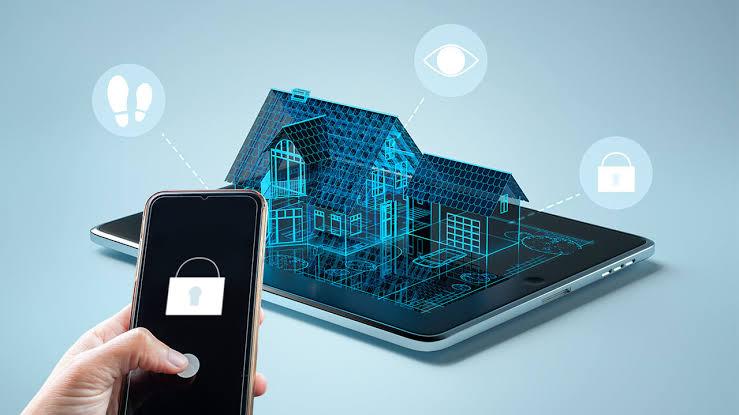
Home security has become an important consideration for homeowners who want to protect their families, belongings, entry points, and overall property. Traditional measures such as strong doors, dependable locks, secure windows, and exterior lighting remain valuable, but modern technology has introduced additional ways to monitor and manage a home. Security cameras, video doorbells, smart locks, motion sensors, alarm systems, access controls, automated lighting, and remote monitoring can work together to create a more comprehensive security environment. When these technologies are carefully planned and professionally integrated, they can provide homeowners with greater awareness of activity around the property while making everyday security routines easier to manage and maintain over time.A reliable security system should be designed around the specific characteristics of the property instead of simply adding as many devices as possible. Every home has different entrances, windows, garages, driveways, pathways, outdoor areas, and household routines, which means security requirements can vary significantly from one property to another. A camera may need to cover a particular approach to an entrance, while a motion sensor may be better suited to a hallway, garage, or exterior area. Smart locks and connected security equipment also depend on reliable network communication. Professional planning can help homeowners identify important areas, select suitable equipment, and create an integrated system that provides useful protection without becoming unnecessarily complicated.
Understanding Modern Home Security
Modern home security combines physical protection with electronic monitoring and connected technology to create several layers of protection throughout a property. Physical security features such as strong exterior doors, quality locks, secure windows, and durable hardware create an important foundation, while cameras, sensors, alarms, and access controls can provide additional awareness and control. A homeowner may use cameras to monitor outdoor areas, smart locks to manage entry, sensors to detect activity, and alarms to provide alerts when selected events occur. When these technologies communicate effectively, they can create a coordinated security environment that is easier to monitor and manage.The most effective systems are generally those that work together instead of operating as completely separate devices. Rather than treating cameras, locks, lights, and alarms as individual products, homeowners can integrate them into a broader security strategy based on the property’s layout and household routines. For example, a motion sensor may detect movement near an entrance and trigger an exterior light while a nearby camera records the activity. This combination can give homeowners both an immediate alert and useful visual information about what is happening. A professionally planned system can help determine which technologies are actually necessary and where they can provide the greatest value.
Security Cameras for Better Property Visibility
Security cameras can provide valuable visual awareness around a property and help homeowners monitor areas that may not always be visible from inside the home. Depending on the layout, cameras can be installed near front and rear entrances, driveways, garages, side pathways, gates, patios, and other areas where activity may occur. Modern camera systems may provide live viewing, recorded footage, motion notifications, and remote access through compatible smartphones, tablets, or computers. This can help homeowners stay informed about activity whether they are at home or away.Camera placement has a major effect on performance, which is why installation should consider mounting height, viewing angles, lighting conditions, surrounding structures, and areas that require the most attention. A poorly positioned camera may have an obstructed view or fail to capture important activity, even if the equipment itself is high quality. Professional installation can help identify strategic locations that provide useful coverage while avoiding unnecessary overlap. Cameras can also be integrated with motion sensors and lighting so that several security components work together when activity is detected, creating a more complete monitoring solution.
Video Doorbells and Front Entrance Monitoring
The front entrance is one of the most frequently used areas of a property, making it an important part of a complete security plan. Video doorbells can provide homeowners with visual awareness when someone approaches the door and may allow users to receive notifications, view live video, communicate with visitors, and review recorded activity depending on the system. This technology can provide additional information before homeowners decide whether to open the door or respond to a visitor.Video doorbells can also improve convenience for everyday situations involving deliveries, guests, and service providers. Homeowners can identify visitors without immediately approaching the entrance and may be able to communicate with delivery personnel even when they are not available at the property. When integrated with other cameras, smart locks, and security systems, a video doorbell can become part of a broader entrance monitoring solution. Proper installation can help ensure that visitors are clearly visible, the camera has an appropriate field of view, and the device maintains dependable communication with the home’s network.
Smart Locks and Access Control
Smart locks can give homeowners additional ways to manage access compared with traditional physical keys. Depending on the equipment, approved users may be able to enter through digital codes, mobile applications, electronic credentials, or other supported methods. This can reduce the need to distribute physical keys and can make it easier to provide temporary access to trusted guests, family members, maintenance workers, or service providers. Access permissions can also be adjusted as household circumstances change.Smart locks can become even more useful when integrated into broader security routines. A departure scene can automatically secure selected doors, while a nighttime routine can ensure that important access points are locked before residents go to sleep. Some systems may also allow homeowners to monitor selected access activity remotely. Because smart locks depend on electronic communication and proper configuration, professional installation can help ensure that the locks operate reliably and interact correctly with the rest of the security and automation system.
Motion Sensors and Activity Detection
Motion sensors provide another layer of security by identifying movement in selected areas of the property. Indoor sensors can be useful in hallways, rooms, garages, and other spaces, while exterior sensors may monitor pathways, entrances, yards, or other outdoor locations. When motion detection is integrated with cameras, alarms, or lighting, the system may be able to provide a coordinated response when activity occurs. This can give homeowners more useful information than relying on a single device.Sensor placement and sensitivity should be carefully considered because pets, normal household movement, furniture, environmental conditions, and room layouts can influence how sensors respond. Poorly configured sensors may produce unnecessary alerts, which can become frustrating and make homeowners less attentive to important notifications. Professional installation can help determine suitable locations and configure equipment according to the environment. The goal is to create meaningful detection that supports security without constantly interrupting the household with irrelevant alerts.
Automated Lighting as a Security Feature
Lighting can play an important supporting role in a residential security strategy by improving visibility around entrances and exterior areas. Lights can be installed near doors, garages, driveways, walkways, gates, and other locations where better illumination may be beneficial after dark. Automated lighting can operate according to schedules or respond to motion and selected security events, giving homeowners additional control over how their property is illuminated.Lighting can become particularly useful when integrated with other security technologies. If a motion sensor detects activity near a side entrance, a connected light can activate while a nearby camera records the area. Interior lighting can also be scheduled to create an occupied appearance when homeowners are away, while exterior lighting can operate during selected evening hours. These functions can support security while also improving convenience and visibility throughout the property.
Alarm Systems and Security Notifications
Alarm systems remain an important component of many residential security solutions because they can provide immediate alerts when selected security events occur. Depending on the property’s requirements, an alarm system may include door and window sensors, motion detectors, glass-break sensors, and other monitoring components. When an unexpected event is detected, the system may provide an audible warning or send a notification through a connected device, helping homeowners become aware of potential problems.Proper configuration is important for alarm reliability because sensors must be installed in suitable locations and settings should reflect normal household activity. Household members should also understand how to arm, disarm, and manage the system correctly. Homeowners should periodically verify that appropriate alerts and notifications continue to function as expected. Professional setup can help reduce unnecessary alerts, improve device communication, and make the alarm system easier for residents to use consistently.
Securing Doors and Windows
Doors and windows should receive careful attention when developing a complete home security strategy because they represent important access points. Strong locks, durable hardware, secure frames, and appropriate physical protection can provide the foundation, while electronic sensors can provide additional awareness when selected openings are accessed. Cameras and exterior lighting can also be positioned around important entrances to provide greater visibility and support monitoring.Not every door or window presents the same security requirements. A visible main entrance may have different considerations than a secluded side entrance, basement window, garage access point, or rear door. A professional security assessment can help identify areas that may benefit from additional cameras, sensors, lighting, access controls, or hardware improvements. Reviewing every potential access point can help reduce overlooked areas and create more consistent security coverage across the property.
Garage and Outdoor Security
Garages often contain vehicles, tools, equipment, recreational items, and other valuable belongings, making them an important part of a complete residential security plan. In many properties, the garage may also provide a route into the main living area, which makes garage access especially important to monitor. Cameras, smart access controls, motion sensors, and automated lighting can help homeowners improve awareness and control in this area while also providing information about activity around the garage.Outdoor areas should also be considered because driveways, side yards, patios, gates, walkways, storage areas, and other exterior spaces may have different visibility and access concerns. A security plan that focuses only on the front entrance can leave other parts of the property without adequate monitoring. Strategic placement of cameras, sensors, and lighting can help reduce blind spots and provide more consistent coverage. Considering the property as a complete environment allows homeowners to create a more organized security strategy.
Remote Security Monitoring
Connected security technology allows homeowners to monitor selected areas of their properties even when they are away. Depending on the system, users may be able to view cameras, receive activity notifications, check connected locks, and manage selected security functions through smartphones, tablets, or computers. This can be especially useful when residents are traveling, working away from home, running errands, or otherwise unable to check the property in person.Remote monitoring can also make everyday security tasks easier because homeowners can quickly review information when an alert appears. For example, a homeowner may receive a notification about activity near an entrance and review the corresponding camera footage to better understand what happened. They may also be able to confirm whether a connected door is locked without returning to the property. Reliable remote access depends on strong network connectivity and correctly configured equipment, making the network an important part of the overall security system.
Network Infrastructure for Connected Security
Modern security systems depend heavily on reliable network communication because cameras, smart locks, sensors, alarms, and access controls may all communicate through wired or wireless connections. If the network is weak, overloaded, or poorly configured, security devices may experience delays, dropped connections, or inconsistent performance. These problems can reduce the convenience of connected security and may affect the ability to receive information when it is needed.A professional network assessment can help determine whether a property requires additional wireless coverage, wired connections, upgraded equipment, or other infrastructure improvements. Security devices should also be protected through strong passwords, appropriate user permissions, secure configurations, and regular software updates. A properly designed network can provide reliable communication while also creating enough capacity for future security additions. This makes network planning an important part of designing a dependable connected security environment.
Integrating Security With Home Automation
Security systems can become more convenient when integrated with other home technologies such as lighting, thermostats, motorized shades, entertainment systems, smart locks, and access controls. A compatible automation platform can allow several systems to respond together based on a schedule, command, sensor event, or selected household routine. This can reduce repetitive tasks and make security management more natural.A departure scene, for example, could lock selected doors, activate security monitoring, turn off unnecessary lights, adjust the thermostat, and close connected shades. A nighttime routine could secure access points and activate selected sensors, while exterior motion could trigger lighting and camera recording when compatible equipment is installed. The exact capabilities depend on the devices and system design, but integration can help homeowners manage several aspects of the property through coordinated routines instead of separate manual actions.
Customizing Security Around Household Needs
Every household has different security requirements, so a system should be configured according to the way the property is actually used. Families with children may need different access controls from households with frequent visitors, while pet owners may require carefully adjusted motion sensors. Homeowners who spend considerable time away from the property may place greater importance on remote monitoring, automated lighting, and connected access controls.Customization can also improve the quality of notifications. Receiving too many unnecessary alerts can become frustrating and may eventually cause homeowners to ignore important messages. At the same time, receiving too few alerts may reduce awareness of meaningful activity. Professional programming can help balance these concerns by considering normal household behavior and configuring sensors, cameras, lighting, and notifications accordingly. A good security system should support everyday life rather than become a source of unnecessary inconvenience.
Professional Installation and System Integration
Correct installation can significantly influence how well a security system performs. Cameras need appropriate viewing angles, sensors require suitable placement, smart locks must be configured correctly, and connected equipment needs reliable network communication. Professional installation can help address these factors while considering how every component interacts with the rest of the system.Integration is equally important because homeowners may prefer centralized control rather than managing several unrelated applications. A professionally integrated system can allow compatible cameras, locks, alarms, sensors, and lighting to work together through a more organized interface. Testing after installation can help identify connectivity issues, coverage gaps, incorrect settings, and programming problems before the system becomes part of everyday security routines. This attention to detail can improve both reliability and ease of use.
Choosing Quality Security Equipment
Security equipment should be selected according to the property’s specific requirements rather than simply choosing the most advanced products available. Homeowners may need to consider camera coverage, image quality, storage options, sensor performance, access control features, network compatibility, durability, and ease of operation. Expensive equipment does not automatically provide better results if it is poorly suited to the property or cannot communicate effectively with other devices.Compatibility is particularly important when several technologies need to work together. Disconnected products may require different applications and may offer limited opportunities for coordinated automation. Professional guidance can help homeowners choose equipment that works together and provides room for future expansion. Selecting compatible products from the beginning can make the system easier to operate, maintain, and upgrade over time.
Preparing for Future Security Upgrades
Security requirements can change as households grow, properties are modified, and technology continues to develop. Homeowners may eventually want additional cameras, sensors, smart locks, lighting, access controls, or other monitoring equipment. Planning for future expansion during the initial installation can make these upgrades easier and may reduce the need to replace major infrastructure.A scalable network, organized equipment locations, suitable wiring, and compatible control systems can provide a strong foundation for future additions. Homeowners can then expand the system gradually as new requirements develop rather than redesigning the entire setup. Professional planning can address current priorities while also considering reasonable future needs, helping the security system remain flexible and useful for a longer period.
Maintaining a Reliable Security System
Regular maintenance can help security equipment continue operating properly. Cameras should remain clean and correctly positioned, batteries in wireless devices should be checked, and connected equipment should receive appropriate updates. Homeowners should periodically verify that alarms, notifications, recordings, smart locks, and other important controls are functioning as expected. Professional support can also be useful when equipment becomes outdated or connectivity problems appear because security technology continues to evolve and may occasionally require configuration updates or equipment upgrades. Regular system reviews can help homeowners identify changes in household needs and determine whether additional coverage or newer technologies would provide meaningful benefits. Maintaining the system helps protect the investment while supporting consistent performance and dependable operation.
Conclusion
A modern home security system can combine traditional protective measures with connected technology to provide greater awareness, convenience, and control. Security cameras, video doorbells, smart locks, motion sensors, alarms, automated lighting, access controls, and remote monitoring can each contribute to a stronger security strategy, but their effectiveness can increase when they are carefully planned and integrated. A complete approach considers the property’s entrances, outdoor areas, network infrastructure, household routines, and future requirements rather than focusing on individual devices in isolation.Professional design, installation, networking, programming, and ongoing maintenance can help homeowners create a security system that remains reliable and manageable over time. By choosing appropriate equipment and integrating compatible technologies, homeowners can reduce unnecessary complexity while improving visibility and control throughout the property. A well-planned system can also adapt as household needs and technology change, making home security a long-term investment in greater awareness, convenience, and protection for the people and property that matter most.