Girls’ Bike Styles: How to Choose the Right Bike for Her
Choosing a bike for a girl is about more than finding her favorite color. The right bike should match her height, confidence, usual terrain, and the way she wants to ride. A child who enjoys relaxed family rides may need a different setup from one who wants to explore trails or practice quick turns around the neighborhood.
Parents comparing options from Glerc Bikes can begin with the main bike styles, then narrow the choice based on fit and everyday use. This makes it easier to find a bike she will enjoy riding rather than one that simply looks good in a photo.
Start With Where She Will Ride
Before comparing frames, baskets, gears, or accessories, think about where most rides will happen. Will she ride on sidewalks, quiet streets, paved park paths, or uneven trails? The answer helps determine which style will feel most comfortable.
A collection of girls bikes can help parents compare sizes and designs in one place. Still, style should come after safety and fit. A properly sized bike that suits the terrain will build more confidence than a fashionable bike that feels heavy or difficult to control.
Classic and Vintage Bikes
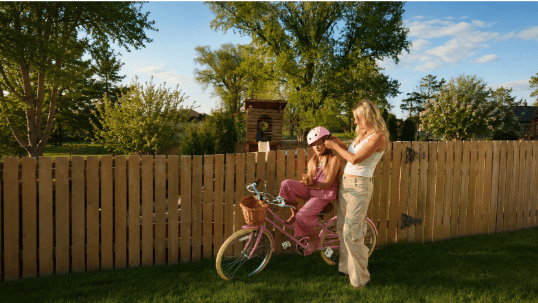
Classic girls bikes often have a lower frame, an upright riding position, and details such as a basket, bell, fenders, or streamers. They are a natural choice for neighborhood trips, park visits, or relaxed family rides on smooth paths.
The upright position helps the rider look ahead and stay comfortable at an easy pace. A lower top tube can also make getting on and off simpler. These bikes appeal to children who want a friendly, traditional style.
Parents should still check the weight and brake setup. Accessories are fun, but the rider must be able to steer, stop, and handle the bike without struggling.
Cruiser Bikes
Cruiser bikes are made for relaxed riding. They often have wide handlebars, a comfortable saddle, and a stable feel on flat roads or paved trails. This style can suit older girls who want to ride with family members or spend more time on the bike without focusing on speed.
A cruiser may not be the best choice for steep hills or rough trails. Some models are also heavier than basic kids’ bikes, so the rider should be able to start, stop, and turn comfortably. On mostly flat ground, a cruiser can provide a smooth ride.
When comparing cruiser girls bikes, check the riding position as well as the overall weight. The handlebars should be easy to reach without forcing the rider to lean too far forward.
BMX Style Bikes
A BMX style bike has a sportier look and may suit children who enjoy quick rides, sharp turns, and an active feel. These bikes often use a compact frame and simple controls, which work well for neighborhood riding and basic skill practice.
Parents should separate a BMX style kids’ bike from a specialized race or stunt bike. Most children only need a comfortable and durable model for everyday fun.
Look for responsive brakes, secure grips, and tires that match the riding surface. She should also be able to stand over the frame and place her feet down quickly.
Mountain Bikes
A mountain bike may be a better option for a girl who rides on gravel paths, uneven park trails, or hilly routes. Wider tires offer more grip, while gears can make climbs and longer rides easier.
Extra features add weight and complexity. A beginner riding mainly on sidewalks may not need suspension or many gears. Older riders who know how to shift and regularly ride on changing terrain are more likely to benefit from them.
Before choosing this style, make sure she can reach the brake levers and operate the gears comfortably. The controls should feel simple enough that she can keep her attention on the path ahead.
Choose the Correct Size First
Age labels are useful starting points, but height and inseam provide a better fit check. Two children of the same age may need different wheel sizes because their proportions and experience differ.
When she sits on the saddle, she should reach the handlebars without stretching. Her knees should have room to move, and she should be able to control the brakes. Beginners often feel safer when they can place their feet on the ground more easily.
Avoid buying a bike that is too large so she can grow into it. An oversized bike can make starting, stopping, and turning harder. A correctly fitted bike helps her develop skills and enjoy riding now.
Bike weight also matters. Lighter girls bikes are often easier for younger riders to balance, steer, and lift after a fall. A simple single speed design may be enough for flat neighborhood routes, while gears become more useful on hills and longer rides.
Let Her Join the Decision
Once parents have narrowed the options to bikes that fit correctly, let her choose between suitable styles and colors. This gives her a sense of ownership without making appearance the only deciding factor.
Ask what she wants to do with the bike. She may care about carrying a favorite toy, riding with friends, exploring a trail, or joining longer family outings. Her answer can show which style is the best match.
Details such as a basket, bell, doll seat, or streamers can make the bike feel more personal. However, these features should support the riding experience rather than replace proper sizing, reliable brakes, and comfortable handling.
Final Thoughts
The right girls’ bike should fit her body, suit her riding environment, and feel easy to control. Start with size and safety, then compare styles based on how she plans to ride.
Classic bikes are well suited to relaxed neighborhood trips. Cruisers focus on comfort, BMX style bikes provide a sporty feel, and mountain bikes support more varied terrain. When the bike matches both the rider and the route, she is more likely to feel confident and look forward to every ride.