From Design Vision to Custom Interiors: Creating Functional and Elegant Woodwork Solutions
Creating a beautiful interior is about more than selecting attractive finishes or following the latest design trends. The most memorable residential and commercial spaces are thoughtfully planned, highly functional, and carefully crafted to meet the needs of the people who use them every day. At the heart of these exceptional interiors is architectural millwork—a specialized discipline that transforms design concepts into custom-built woodwork that enhances both form and function.
Whether you’re designing a luxury home, a modern office, a boutique hotel, or a retail environment, investing in professional architectural millwork design services early in the project ensures every custom feature is accurately planned before construction begins. Detailed drafting, coordinated shop drawings, and precise specifications help architects, designers, fabricators, and contractors work from the same vision, minimizing costly revisions while delivering exceptional results.
In this article, we’ll explore how architectural millwork turns creative ideas into elegant, functional interiors and why professional design and drafting play a critical role in every successful project.
Understanding Architectural Millwork in Modern Interior Design
Architectural millwork is one of the defining elements of custom interior design. Unlike standard furniture or mass-produced cabinetry, millwork is specifically designed and fabricated to fit a particular space. Every component is tailored to the project’s dimensions, aesthetic goals, and functional requirements.
From custom wall paneling and built-in storage to reception desks and decorative ceilings, architectural millwork creates a seamless appearance that cannot be replicated with off-the-shelf products.
What Is Architectural Millwork?
Architectural millwork refers to custom wood or wood-based interior elements manufactured according to detailed architectural drawings and project specifications. These elements may include:
- Custom cabinetry
- Built-in shelving
- Entertainment centers
- Wall paneling
- Doors and trim
- Reception desks
- Retail fixtures
- Ceiling features
- Decorative moldings
- Conference room furniture
Unlike general woodworking, architectural millwork requires close collaboration between architects, interior designers, engineers, manufacturers, and installers to ensure every piece fits perfectly within the overall design.
Why Custom Millwork Matters
Custom millwork offers several advantages over prefabricated alternatives.
Optimized Space
Every inch of available space can be utilized efficiently, especially in compact residential layouts or high-traffic commercial environments.
Unique Design Identity
Millwork allows designers to create one-of-a-kind interiors that reflect a homeowner’s personality or strengthen a company’s brand image.
Improved Functionality
Built-in storage, integrated lighting, hidden compartments, and ergonomic layouts improve usability while maintaining a clean appearance.
Long-Term Value
Because custom millwork is designed specifically for a space, it often provides greater durability, better craftsmanship, and increased property value.
Turning a Design Vision into Reality
Every successful millwork project begins long before construction starts.
The design process transforms creative ideas into buildable solutions that manufacturers and installers can execute with confidence.
Starting with the Client’s Goals
Before any drawings are created, designers take time to understand the project’s objectives.
Important considerations include:
- Lifestyle requirements
- Daily workflow
- Storage needs
- Brand identity
- Budget
- Design preferences
- Building constraints
- Accessibility requirements
This discovery phase establishes the foundation for every design decision that follows.
Design Development and Detailed Drafting
Once the design direction is established, technical documentation becomes essential.
Professional drafting includes:
- Floor plans
- Elevations
- Sections
- Construction details
- Material specifications
- Hardware schedules
- Finish selections
- Shop drawings
- Installation details
These documents serve as the blueprint for fabrication and installation, reducing misunderstandings and ensuring consistency throughout the project.
Organizations such as the Woodwork Institute publish recognized quality standards that help ensure architectural woodwork meets industry expectations for craftsmanship and installation.
Key Elements of Functional and Elegant Woodwork Solutions
Thoughtfully designed millwork combines beauty with practicality. Every feature should serve a purpose while contributing to the overall aesthetic.
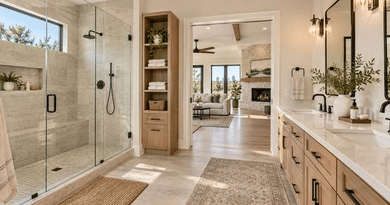
Custom Cabinetry
Cabinetry remains one of the most common applications of architectural millwork.
Examples include:
- Kitchen cabinets
- Bathroom vanities
- Home offices
- Walk-in closets
- Libraries
- Laundry rooms
- Commercial storage systems
Custom cabinetry allows designers to maximize storage while maintaining visual harmony throughout the space.
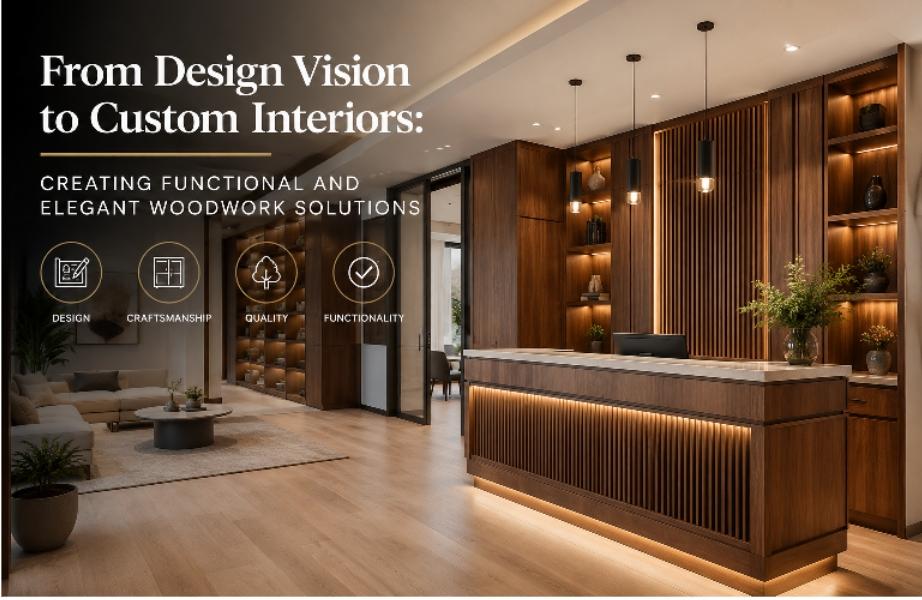
Wall Paneling and Feature Walls
Wood wall paneling has evolved far beyond traditional designs.
Today’s feature walls incorporate:
- Natural wood veneers
- Vertical slats
- Integrated lighting
- Acoustic panels
- Hidden doors
- Decorative moldings
These features create warmth, texture, and architectural interest while improving acoustic performance in many environments.
Built-In Storage Solutions
Modern interiors prioritize clean, uncluttered spaces.
Custom storage solutions include:
- Window seating
- Floating shelves
- Media walls
- Mudrooms
- Pantry systems
- Hidden storage compartments
Rather than competing with the architecture, these built-ins become an integral part of it.
Reception Areas, Retail Displays, and Commercial Interiors
Commercial environments rely heavily on custom millwork to create memorable customer experiences.
Examples include:
- Reception desks
- Product displays
- Checkout counters
- Hotel concierge stations
- Restaurant bars
- Conference rooms
- Executive offices
These elements not only improve functionality but also reinforce a company’s visual identity.
How Architectural Millwork Design Services Improve Project Outcomes
Many construction challenges arise because different teams work from inconsistent information.
Professional millwork design helps eliminate these issues before fabrication begins.
Better Collaboration Across Teams
Detailed drawings provide a common language between:
- Architects
- Interior designers
- Contractors
- Manufacturers
- Installers
- Project managers
Everyone works from the same coordinated documentation, reducing confusion throughout construction.
Reduced Construction Errors
Accurate drafting identifies potential conflicts before manufacturing starts.
This proactive approach helps prevent:
- Incorrect dimensions
- Material waste
- Installation delays
- Field modifications
- Budget overruns
Finding issues during the design phase is significantly less expensive than correcting them on-site.
Improved Material Efficiency
Precise planning allows manufacturers to optimize material usage.
Benefits include:
- Reduced waste
- Better cutting layouts
- Improved production efficiency
- More sustainable fabrication practices
As sustainability becomes increasingly important, efficient material planning contributes to both environmental responsibility and project profitability.
Faster Installation and Project Delivery
When components are accurately designed and manufactured, installation proceeds much more smoothly.
Clear documentation reduces:
- On-site adjustments
- Installation errors
- Contractor downtime
- Project delays
The result is a more predictable construction schedule and improved client satisfaction.
Choosing Materials That Balance Beauty and Durability
Material selection plays a significant role in both aesthetics and long-term performance.
Hardwood vs. Engineered Wood
Solid hardwood offers timeless beauty and exceptional durability but often comes at a higher cost.
Engineered wood products provide:
- Greater dimensional stability
- Improved moisture resistance
- Lower costs
- Consistent finishes
The best choice depends on the project’s budget, location, and intended use.
Veneers and Laminates
Wood veneers provide the appearance of premium hardwood while reducing material consumption.
High-pressure laminates offer:
- Excellent durability
- Scratch resistance
- Easy maintenance
- Wide design flexibility
These materials are especially popular in commercial environments where durability is a priority.
Sustainable Material Options
Sustainability has become a major consideration in modern architecture.
Many projects now incorporate:
- FSC-certified wood
- Low-VOC finishes
- Recycled wood products
- Engineered materials
- Responsible sourcing practices
Organizations like the Woodwork Institute and the North American Architectural Woodwork Standards (NAAWS) promote best practices that support quality, durability, and responsible manufacturing.
Design Trends Influencing Custom Millwork
Interior design continues to evolve, and millwork remains at the forefront of innovation.
Minimalist Profiles
Clean lines, concealed hardware, and simple detailing create timeless interiors that feel sophisticated without appearing overly decorative.
Hidden Storage
Designers increasingly integrate concealed storage into walls, seating, and cabinetry to maximize functionality without adding visual clutter.
Natural Wood Finishes
Natural grain patterns continue to dominate both residential and commercial interiors.
Light oak, walnut, ash, and white oak remain particularly popular for their warmth and versatility.
Mixed Materials
Modern millwork often combines multiple materials to create visual contrast.
Popular combinations include:
- Wood and metal
- Wood and stone
- Wood and glass
- Matte finishes with natural textures
These combinations create interiors that feel contemporary while maintaining warmth and character.
Industry publications such as ArchDaily and Architectural Digest regularly highlight these evolving trends, demonstrating how custom millwork continues to shape modern interior architecture.
Choosing the Right Architectural Millwork Partner
Selecting the right design partner is just as important as selecting the right materials.
A qualified millwork design team should offer:
Experience Across Project Types
Whether residential, hospitality, healthcare, education, or commercial, experience across multiple sectors helps anticipate project-specific challenges.
Strong Technical Drafting Capabilities
Accurate construction documents reduce uncertainty and improve communication between all project stakeholders.
Collaborative Project Management
Successful projects depend on consistent communication throughout design, fabrication, and installation.
Proven Portfolio
Reviewing completed projects provides valuable insight into craftsmanship, attention to detail, and design versatility.
Final Thoughts
Exceptional interiors rarely happen by chance. They result from careful planning, technical expertise, and a clear understanding of how design and construction work together. Architectural millwork serves as the bridge between creative vision and practical execution, transforming empty spaces into environments that are both functional and visually compelling.
From custom cabinetry and built-in storage to intricate wall paneling and commercial fixtures, every detail contributes to the overall experience of a space. When supported by comprehensive design, drafting, and coordination, these custom woodwork solutions not only elevate aesthetics but also improve efficiency, reduce construction challenges, and deliver lasting value.
Whether you’re planning a residential renovation or a large-scale commercial development, investing in professional architectural millwork design from the outset helps ensure your vision is translated into precise, buildable solutions resulting in interiors that are elegant, functional, and crafted to stand the test of time.