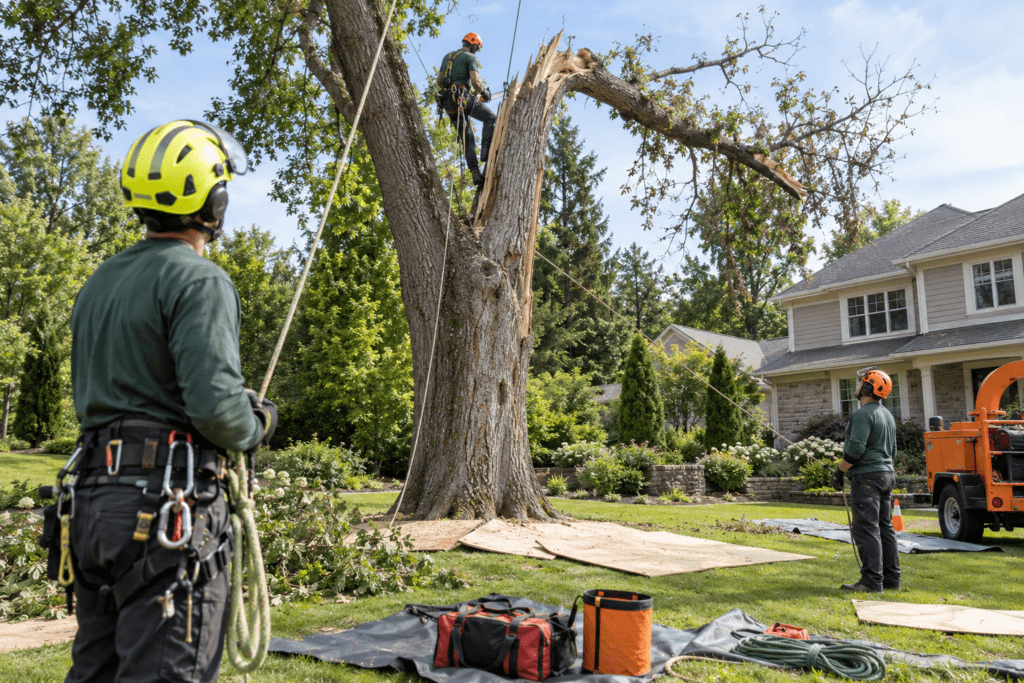
Everything Homeowners Should Know About Tree Removal, Safety Preparation, Cleanup, and Landscape Improvement
Trees can add beauty, shade, privacy, and character to a property, but there are situations when a tree becomes damaged, diseased, unstable, or poorly positioned. In such circumstances, leaving the tree in place may create unnecessary risks for people, buildings, vehicles, utility features, and surrounding landscaping. Understanding when action may be necessary and how the work should be planned can help property owners make responsible decisions. Tree removal is a significant outdoor maintenance task that requires careful assessment rather than a rushed decision. Factors such as the tree’s condition, size, location on the property, surrounding structures, root stability, and potential hazards should all be considered before work begins. Removing a tree also involves more than cutting the trunk because branches, equipment access, debris, stump treatment, and landscape restoration may need attention afterward. Proper preparation can make the process more organized and reduce avoidable property damage. When the work is complicated or involves a large tree, qualified professionals can provide the equipment and experience needed to complete the project safely.
Recognizing When a Tree May Need Attention
Not every damaged or aging tree needs to be removed, so the first step should be a careful evaluation of its condition. Trees can sometimes recover from minor damage when they receive appropriate care and have enough healthy growth remaining. However, severe trunk damage, extensive decay, major root problems, large dead branches, or significant leaning may indicate a more serious concern. A tree that has been damaged by storms should receive particular attention because broken limbs and weakened structures can create hazards even after the weather event has passed. Changes in bark, unusual fungal growth, large cavities, and declining foliage may also indicate health problems. The surrounding environment matters as well because a weakened tree near a house, driveway, walkway, or other frequently used area may pose a greater risk than a similar tree in an open space. Property owners should avoid making decisions based solely on appearance. A professional assessment can help determine whether pruning, treatment, monitoring, or complete removal is the most appropriate option.
Assessing Potential Safety Hazards
Safety should be considered before any work begins because tree maintenance can involve falling branches, heavy equipment, unstable trunks, and unpredictable movement. Large trees can be particularly challenging when they are close to buildings, fences, vehicles, power equipment, or other structures. The direction in which branches may fall should be considered along with the condition of the trunk and root system. Weather conditions can also affect the stability of trees and the safety of outdoor work. Strong winds, wet ground, lightning, and other unfavorable conditions may make an already difficult task more dangerous. Property owners should keep children, pets, and unnecessary people away from active work areas. Workers should use suitable protective equipment and follow safe procedures when handling cutting equipment and heavy materials. Electrical hazards require additional caution because branches can contact overhead lines unexpectedly. A thorough assessment helps identify potential problems before work starts. Taking time to evaluate hazards is far safer than discovering them during the removal process.
Understanding the Importance of Professional Help
Some small landscaping tasks may be manageable for experienced property owners, but large or complicated trees often require specialized knowledge. Professionals can assess the structure of a tree, identify potential hazards, determine appropriate cutting methods, and use equipment designed for difficult work. They may also understand how to control falling branches and sections of a trunk so that surrounding property is protected. Large trees can weigh much more than they appear to, and even relatively small branches can cause serious damage when they fall from significant heights. Professionals may use ropes, lifts, specialized cutting equipment, and other tools depending on the situation. They can also help identify whether a tree should be removed entirely or whether selective pruning could address the concern. Property owners should verify relevant qualifications, insurance coverage, experience, and references when selecting a service provider. A professional evaluation can also prevent unnecessary removal when a tree may be preserved through proper care. Using appropriate expertise is an important part of responsible outdoor maintenance.
Preparing the Property Before Work Begins
Good preparation can make tree work more efficient and reduce the possibility of accidental damage. Before the project begins, property owners should identify objects and structures that may need protection or relocation. Outdoor furniture, vehicles, garden equipment, decorations, tools, and movable items should be cleared from the work area. Gates and access routes should remain available so workers can bring necessary equipment onto the property. Windows, roofs, fences, landscaping features, and other vulnerable areas may require additional consideration when a tree is close to them. The ground should also be inspected for obstacles that could interfere with equipment or create tripping hazards. If branches extend toward neighboring structures or shared boundaries, communication may be appropriate before work begins. Property owners should also discuss the expected work process, cleanup arrangements, and any remaining materials with the service provider. A clear plan reduces confusion and allows everyone involved to understand how the project will proceed. Preparation is especially important when dealing with large trees in confined spaces.
Protecting Surrounding Trees and Plants
Removing one tree can affect the surrounding landscape, particularly when nearby plants are close to the work area. Falling branches, equipment movement, heavy logs, and foot traffic can damage shrubs, flowers, lawns, and young trees if precautions are not taken. Before work begins, valuable landscaping should be identified so workers can plan access and placement carefully. Protective coverings or temporary barriers may be useful in certain situations, although they should not interfere with safe operations. Roots of nearby trees should also be considered because heavy equipment can compact soil and potentially damage root zones. Whenever possible, equipment movement should be limited to appropriate routes. After the work is finished, disturbed areas can be inspected for soil compaction, broken plants, and other damage. Protecting surrounding vegetation helps preserve the investment that property owners have made in their landscapes. It also makes the final restoration process easier. Careful planning ensures that removing one problem tree does not unnecessarily create several new landscaping problems.
Managing Branches and Wood Debris
A tree that appears relatively modest before work begins can produce a substantial amount of branches, leaves, trunk sections, and wood debris. Planning how these materials will be handled is therefore an important part of the project. Smaller branches may be chipped, reused as suitable mulch, or transported away depending on their condition and available services. Larger sections of wood may be cut into manageable pieces for disposal, firewood, or other appropriate uses. Diseased wood should be handled carefully so that it does not contribute to the spread of certain pests or diseases. Debris should not be left in walkways, driveways, drainage areas, or other locations where it can create additional hazards. Property owners should determine in advance whether cleanup and hauling are included in the service arrangement. This prevents misunderstandings after the main work is completed. Keeping the work area organized throughout the project also makes it easier for workers to move safely. Proper debris planning can significantly improve the overall efficiency and appearance of the finished property.
Understanding the Stump and Root System
Removing the visible portion of a tree does not necessarily eliminate the stump and root system. After the main trunk has been removed, property owners must decide whether the remaining stump should be ground down, removed, or managed in another appropriate way. Stumps can interfere with mowing, landscaping, construction, and future planting if they remain in inconvenient locations. They can also create trip hazards and make the surrounding area more difficult to maintain. Stump grinding can reduce the visible portion below the surrounding surface, while complete excavation may involve more extensive soil disturbance. The appropriate method depends on the size and location of the stump and the future plans for the area. Large root systems may remain underground even after the stump has been addressed. Property owners should also consider whether the location will later be used for a new tree, garden, structure, or pathway. Discussing these plans before work begins can help determine the most suitable approach. Proper stump planning contributes to a cleaner and more usable landscape after the project is completed.
Considering the Best Time for the Project
The timing of tree work can influence both safety and convenience. Some trees may be easier to inspect and work on when leaves are absent, while other situations require immediate attention regardless of the season. Storm-damaged or severely unstable trees should not be left simply because the timing is inconvenient. Weather conditions should always be considered before outdoor work begins. Wet ground may make equipment movement more difficult, while strong winds can create dangerous conditions around branches and unstable trees. Seasonal wildlife considerations may also be relevant depending on the property and local environmental circumstances. Property owners should discuss timing with qualified professionals who can evaluate the specific tree and conditions. Planning ahead can also make it easier to coordinate cleanup, hauling, landscaping, and future planting. The best timing is generally the period when the work can be completed safely and efficiently while minimizing unnecessary disturbance. Safety and tree condition should take priority over convenience when deciding when work should occur.
Planning for Landscape Restoration
Once the tree has been removed, the property may look significantly different from before the project. The open space can provide an opportunity to redesign part of the landscape or restore the area with suitable vegetation. Before planting a replacement tree, property owners should consider available sunlight, soil conditions, mature size, root characteristics, and the distance from buildings and utility features. Planting another tree in exactly the same location may not always be appropriate because the remaining roots or changed soil conditions can affect new growth. Smaller shrubs, ground cover, flowers, or lawn may be better options depending on the space. Soil that has been disturbed during the project may need to be leveled or amended before new planting. Drainage should also be checked so that water does not collect in the newly opened area. Landscape restoration does not have to happen immediately, but having a plan can prevent the space from becoming neglected. A thoughtful redesign can turn the former tree location into a useful and attractive part of the property.
Maintaining Healthy Trees in the Future
Removing a hazardous tree should not be viewed as the end of tree care. Other trees on the property should continue to receive regular inspections and maintenance. Early identification of dead branches, disease symptoms, structural problems, and root concerns can help prevent larger issues later. Proper pruning can support healthy growth when performed correctly, while unnecessary or excessive cutting may weaken a tree. Watering practices should match the needs of the trees and the conditions of the landscape. Soil should not be heavily compacted around important root areas, especially when vehicles or construction equipment are frequently present. Mulch can sometimes help conserve soil moisture, but it should be applied appropriately and not piled against the trunk. Property owners should also monitor trees after storms and other events that may cause damage. Regular attention allows smaller problems to be addressed before they become major hazards. A proactive maintenance routine can help preserve healthy trees and reduce the likelihood of emergency work in the future.
Avoiding Common Tree Work Mistakes
Several mistakes can make tree projects more dangerous, expensive, or complicated. One common mistake is attempting to handle a large or unstable tree without appropriate experience or equipment. Another is failing to inspect the surrounding area before cutting begins. Property owners may also overlook underground features, overhead hazards, access limitations, or vulnerable landscaping. Removing too much vegetation at once can alter the appearance and environmental conditions of a property more dramatically than expected. Another mistake is failing to plan for the stump and debris after the main trunk has been removed. Leaving wood piles or branches in unsuitable areas can create additional maintenance problems. Cutting trees during unfavorable weather can also increase risks unnecessarily. Homeowners should avoid choosing a service based only on the lowest price without considering qualifications, insurance, experience, and cleanup arrangements. A detailed plan can help avoid many of these issues. Careful preparation is usually less expensive and less stressful than correcting preventable problems after work has already begun.
Considering Environmental Responsibility
Responsible tree care should consider the wider environmental role of trees and vegetation. Trees provide shade, habitat, carbon storage, soil protection, and other ecological benefits, so removal should generally be based on a legitimate need rather than convenience alone. When a tree is healthy and structurally sound, alternatives such as pruning, cabling, or improved maintenance may sometimes be considered depending on the circumstances. When removal is necessary, usable wood may be recycled or repurposed rather than automatically discarded. Branches can sometimes be processed into suitable mulch, while larger wood may have other practical uses. Diseased or pest-infested material should be handled according to appropriate recommendations. Replanting can also help restore some of the landscape benefits that were lost, although a replacement tree should be selected carefully for the available space. Environmental responsibility means considering both the reason for removal and what happens afterward. A balanced approach can protect property safety while respecting the ecological value of trees. Thoughtful planning can make the entire process more sustainable.
Final Thoughts
Tree care involves more than deciding whether a tree should remain in the landscape. Property owners should consider tree health, structural stability, surrounding structures, access, weather, debris, stump treatment, and future landscaping before beginning major work. Tree removal may be appropriate when a tree presents a significant hazard, has severe structural problems, or can no longer be maintained safely, but the decision should be based on careful evaluation. Professional assistance is especially valuable when trees are large, damaged, unstable, or located near buildings and other obstacles. Preparing the property beforehand can protect surrounding landscaping and make the work more efficient, while proper cleanup ensures that branches and wood debris do not create additional hazards. Stump management and landscape restoration should also be included in the overall plan rather than treated as afterthoughts. Once the project is complete, remaining trees should continue to receive regular inspections and appropriate care. With responsible planning, safe work practices, and thoughtful restoration, homeowners can improve property safety while maintaining an attractive and healthy outdoor environment for years to come.