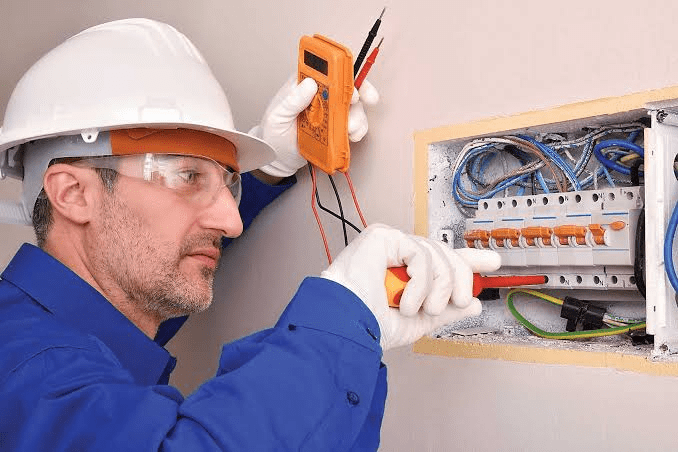
Electrical Installation: Building Safe, Reliable, and Efficient Power Systems
A dependable electrical system is one of the most important components of any modern property. Homes, offices, commercial buildings, workshops, and industrial facilities all depend on electricity for lighting, appliances, equipment, communication systems, heating and cooling, security devices, and countless other functions. Because electrical systems operate behind walls, ceilings, floors, and panels, their importance can sometimes be overlooked until a problem occurs. Poorly installed wiring, overloaded circuits, inadequate protection, or incorrect connections can create serious safety hazards and may also reduce the efficiency and reliability of the entire property.
Electrical installation involves much more than connecting wires to outlets and switches. It is a carefully planned process that includes assessing electrical requirements, designing circuits, selecting suitable equipment, installing wiring, providing protection, testing connections, and ensuring that the completed system operates safely. Every component must work together correctly, from the main service equipment and distribution boards to individual lighting fixtures and receptacles. Professional installation helps create a system that can meet current demands while providing enough capacity for future needs.
Understanding the Basics of Electrical Systems
An electrical system distributes power from the main supply point to different circuits throughout a property. Electricity enters through the primary service connection and is distributed through panels or other equipment before reaching individual loads. These loads may include lighting, heating and cooling equipment, kitchen appliances, machinery, computers, pumps, and other electrical devices.
Each circuit is designed for a particular purpose and must have suitable wiring and protective equipment. Circuit breakers or fuses help protect wiring from excessive current, while grounding and other safety measures help reduce the risk of electric shock and equipment damage.
The design of a system depends on the size and purpose of the property. A small residence may have relatively straightforward circuits, while a large commercial facility can require extensive distribution systems, multiple panels, specialized equipment, emergency power arrangements, and detailed load calculations. Proper planning ensures that the electrical infrastructure is capable of handling the expected demand.
Why Professional Installation Matters
Electricity can be extremely dangerous when electrical components are installed incorrectly. Loose connections, damaged insulation, incorrect wire sizes, improper grounding, and overloaded circuits can all create hazards. Some problems may remain hidden for years before producing symptoms, making professional installation especially important.
Qualified electricians understand electrical principles, safety requirements, equipment specifications, and installation practices. They can evaluate the property, determine appropriate circuit configurations, and install components according to applicable standards.
Professional workmanship can also improve reliability. Properly secured connections and correctly sized conductors reduce the likelihood of overheating, voltage problems, nuisance breaker trips, and premature equipment failure. A well-designed system is easier to inspect, maintain, and expand later.
Planning Electrical Requirements
Before installation begins, the property’s expected electrical requirements should be evaluated. This includes identifying major appliances, lighting systems, heating and cooling equipment, technology, machinery, and other significant loads.
Load calculations help determine how much electrical capacity is required. Without appropriate planning, a system may be unable to handle simultaneous demand. This can lead to frequent circuit interruptions or place excessive stress on components.
Future requirements should also be considered. A property owner may eventually add an electric vehicle charger, additional air-conditioning equipment, a workshop, solar equipment, or other electrical loads. Designing with reasonable future expansion in mind can reduce the need for major modifications later.
Selecting the Correct Wiring
Electrical conductors must be appropriately sized for the circuit they serve. The wire size, insulation type, installation method, and environmental conditions all influence whether a particular conductor is suitable.
Using undersized wiring for a high-demand circuit can cause excessive heating and create a serious safety risk. On the other hand, selecting materials without considering the installation environment can also cause premature deterioration.
Different areas may require different wiring approaches. Wiring exposed to moisture, heat, physical damage, or outdoor conditions may need specialized protection or materials. Professional electricians can select suitable wiring based on the intended application rather than relying on a one-size-fits-all approach.
Installing Electrical Panels and Distribution Equipment
The electrical panel is a central component of many power systems. It receives incoming electricity and distributes it to individual circuits. Circuit breakers provide protection by interrupting power when current exceeds safe limits.
A properly organized panel makes the electrical system easier to understand and maintain. Circuits should be clearly identified so that future troubleshooting or maintenance can be performed efficiently.
Panel capacity should also be considered carefully. Installing additional breakers into an already overloaded system is not a substitute for increasing overall electrical capacity. If a property requires more power than the existing service can safely provide, an electrical professional may recommend upgrades to the service equipment or distribution system.
Importance of Grounding and Bonding
Grounding is an essential part of electrical safety. It provides a path that can help safely carry fault current away from equipment and reduce the risk of dangerous voltage appearing on exposed metal components.
Bonding connects conductive parts together so they remain at similar electrical potential under fault conditions. Together, grounding and bonding form an important part of the overall protection system.Because these components are often hidden from view, they should not be treated as optional details. A system may appear to operate normally while still having serious grounding deficiencies. Proper installation and testing are therefore essential.
Outlets and switches are among the most frequently used parts of an electrical system. Their placement should be planned around how rooms and work areas will actually be used.Outlets should be positioned conveniently while avoiding locations where cords could create unnecessary hazards. Switches should provide intuitive access to lighting and other controlled equipment.
Special protection may be necessary in areas exposed to moisture. Certain outlets can include protective devices designed to interrupt power when an electrical fault is detected. The specific requirements depend on the location and applicable electrical standards.
Lighting Installation and Design
Lighting affects both functionality and comfort. A well-designed lighting system can improve visibility, support productivity, and enhance the appearance of interior and exterior spaces.
Different areas may require different lighting approaches. Kitchens, workspaces, hallways, bedrooms, offices, storage areas, and outdoor spaces each have distinct requirements. Task lighting can support detailed activities, while ambient lighting provides general illumination.Energy efficiency is another consideration. Modern LED fixtures typically consume less electricity than older lighting technologies and can have long service lives. Smart controls, occupancy sensors, dimmers, and timers can further improve efficiency when properly selected and installed.
Electrical circuits are designed to carry a specific amount of current. Connecting too many high-demand devices to one circuit can cause excessive loading. Circuit breakers are designed to interrupt power when unsafe current levels are detected, but repeatedly relying on breaker trips is not a solution to an overloaded system.A professional can evaluate circuit usage and determine whether additional circuits are necessary. This is especially important for kitchens, workshops, offices, garages, and areas containing high-power equipment.
Proper circuit separation can also improve convenience. Major appliances may require dedicated circuits so that their operation does not interfere with other equipment or cause unnecessary interruptions.
Electrical Installation in New Construction
New construction provides an opportunity to design the electrical system from the beginning. Electrical plans can be coordinated with architectural layouts, plumbing, HVAC systems, insulation, structural components, and interior finishes.
During rough-in work, wiring is installed before walls and ceilings are closed. This stage requires careful coordination because later access may be difficult. Electricians need to know where outlets, switches, fixtures, panels, and equipment will be located.Once the walls are finished, devices and fixtures can be installed during the finishing stage. Testing is then performed to confirm that circuits and protective equipment function correctly.
Existing properties often require electrical upgrades as their power demands increase. Older wiring systems may not have been designed for modern appliances, computers, entertainment systems, heating and cooling equipment, and other technology.A renovation may provide an opportunity to add circuits, improve lighting, replace outdated panels, or reorganize electrical distribution. However, modifications to existing systems should be approached carefully because hidden wiring and structural conditions can complicate the work.
An electrical professional can inspect the existing system before recommending changes. This can help identify outdated components, capacity limitations, damaged wiring, or other concerns that should be addressed during the project.
Energy Efficiency and Modern Electrical Systems
Energy efficiency has become an important consideration in electrical planning. Efficient lighting, smart controls, energy-monitoring equipment, and modern appliances can reduce electricity consumption without sacrificing functionality.
Smart electrical systems can provide additional control over lighting, heating and cooling, security equipment, and other devices. Automated scheduling can help reduce unnecessary energy use, while monitoring systems can provide information about consumption patterns.Renewable energy systems can also influence electrical design. Solar generation, battery storage, and backup systems may require specialized equipment and careful integration with the property’s existing electrical infrastructure. These installations should be designed and connected by appropriately qualified professionals.
Electrical Safety During Installation
Safety should remain a priority throughout the installation process. Power should be properly isolated before work is performed on relevant circuits, and electricians should use appropriate protective equipment and procedures.
The work area should also be kept organized to reduce trip hazards and accidental contact with electrical components. Temporary wiring should be installed and protected appropriately when construction activities require temporary power.Testing is an important part of safety as well. Installers should verify circuit continuity, polarity, grounding, protective devices, and other relevant characteristics before the system is placed into normal operation.
A completed electrical system should not simply be assumed to be safe because all devices appear to work. Testing and inspection provide an opportunity to identify problems that may not be visible during ordinary use.Depending on the project, testing can include checking circuit operation, breaker performance, grounding, voltage levels, connections, and protective devices. Inspections may also be required by applicable authorities or project specifications.
Documentation can be valuable after installation. Circuit directories, equipment information, diagrams, and records of upgrades can help future electricians understand the system and perform maintenance more efficiently.
Common Electrical Installation Mistakes
Several mistakes can create unnecessary risks and future expenses. One common problem is using the wrong wire size for a circuit. Another is making loose or poorly secured connections. Incorrect breaker selection, inadequate grounding, poor cable protection, and improper equipment placement can also cause problems.
Overcrowding electrical boxes is another concern because connections require adequate space. Improperly supported cables can be vulnerable to physical damage, while exposed wiring can create hazards.
Trying to complete electrical work without appropriate knowledge can be especially dangerous. Electrical systems are interconnected, and an apparently minor change can have consequences elsewhere in the system. Professional assessment is often the safest approach when electrical work is beyond basic user-level maintenance.
Maintaining an Electrical System
Installation is only the beginning of an electrical system’s life. Regular inspection and maintenance can help identify developing problems before they become serious.Warning signs may include frequently tripping breakers, flickering lights, unusual buzzing sounds, warm outlets, burning odors, damaged cords, or visible discoloration around electrical devices. These symptoms should not be ignored.
Electrical components should also be protected from unnecessary moisture, physical damage, and excessive heat. Panels should remain accessible, and electrical rooms or equipment areas should not be used for storage if doing so could obstruct access.
Choosing the right professional can have a major impact on the quality and safety of an electrical project. Property owners should consider experience, qualifications, insurance, communication, and familiarity with the type of work required.A reputable electrician should be able to explain the proposed installation, identify major components, discuss expected project requirements, and provide a clear scope of work. For larger projects, detailed plans and documentation may be necessary.
Price should not be the only deciding factor. Electrical work involves safety-critical components, so cutting costs by using inappropriate materials or inexperienced labor can result in much higher expenses later. Quality installation is an investment in safety, reliability, and long-term performance.When comparing contractors for electrical installation, it is also helpful to confirm what the quoted price includes. Materials, labor, testing, permits where applicable, equipment installation, cleanup, and follow-up work may be treated differently from one contractor to another.
Preparing for Future Electrical Needs
Technology continues to change, and electrical demand can increase as new equipment is added. Planning for future requirements can make a system more adaptable.
Property owners may eventually want additional outlets, stronger lighting, home automation, electric vehicle charging, renewable energy equipment, security systems, or specialized appliances. Considering these possibilities during initial planning can help avoid unnecessary disruption later.A flexible electrical design does not necessarily mean installing excessive capacity everywhere. Instead, it means identifying realistic future needs and providing appropriate pathways, panel capacity, circuit arrangements, and infrastructure where practical.
A professionally installed electrical system provides more than immediate functionality. It can improve safety, reduce the likelihood of electrical failures, support efficient energy use, and make future maintenance easier.Reliable wiring and properly selected protective devices help protect equipment and occupants. Organized panels and clearly labeled circuits make troubleshooting more efficient. Well-planned lighting can improve comfort and productivity, while efficient equipment can contribute to lower operating costs.
Quality also matters when a property is renovated or sold. A documented and professionally maintained electrical system can make future projects easier and provide greater confidence to property owners and other professionals working on the building.
Final Thoughts
Electrical systems are fundamental to modern life, and their reliability depends heavily on proper planning and installation. From selecting appropriate wiring and protective devices to designing circuits, installing panels, providing grounding, and testing completed work, every stage requires attention to detail.
Electrical installation should always be approached as a complete system rather than a collection of individual components. Circuit capacity, equipment requirements, safety protection, energy efficiency, future expansion, and maintenance all need to be considered together. A system that works today but cannot safely accommodate future demands may eventually require expensive modifications.
By working with qualified professionals and prioritizing proper design, materials, installation methods, and testing, property owners can establish electrical systems that are safer, more reliable, and better suited to long-term use. Whether the project involves new construction, renovation, an upgrade, or specialized equipment, careful electrical planning provides the foundation for dependable power throughout the property.