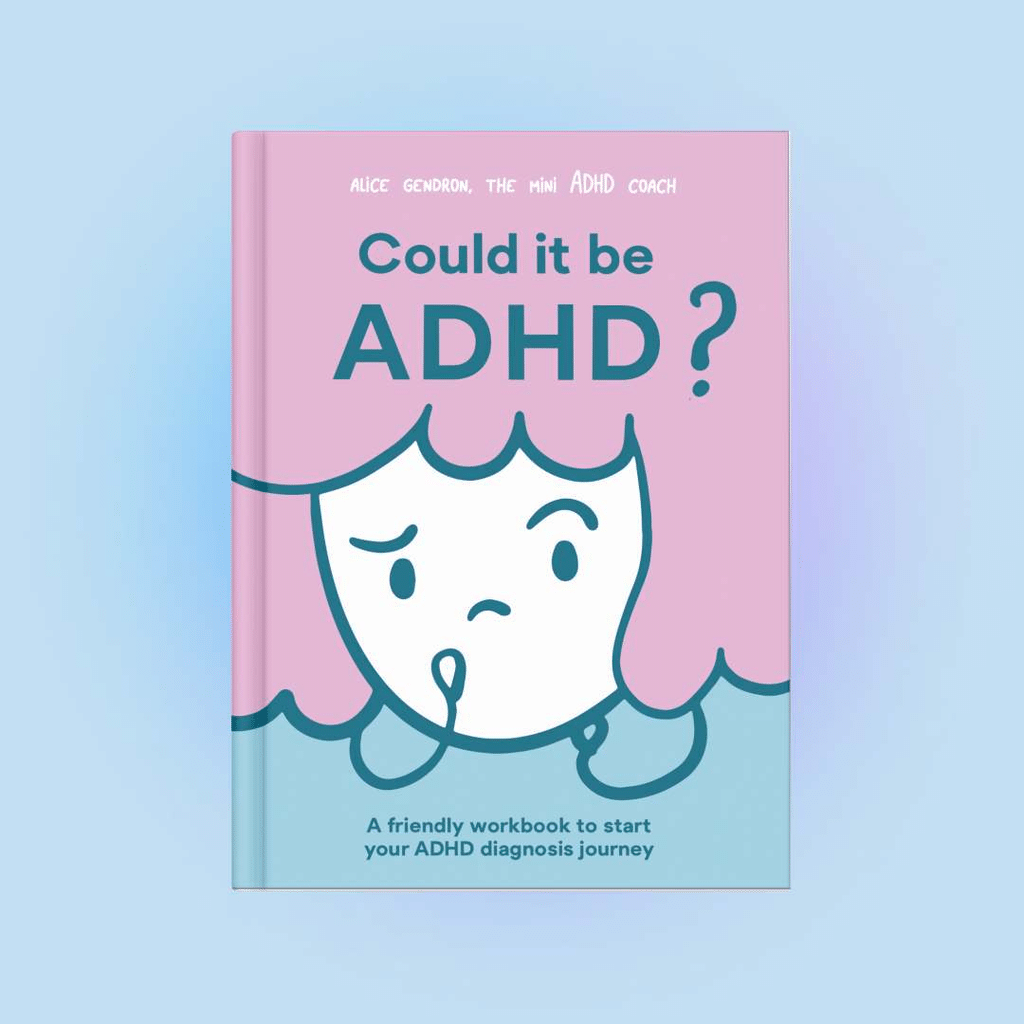
Could It Be ADHD? Understanding Adult ADHD and the Assessment Process
For many adults, the question comes up unexpectedly. Maybe a child is diagnosed with ADHD and a parent recognizes the same traits in themselves. Maybe years of missed deadlines, lost keys and unfinished projects start to look like a pattern rather than a personal failing. Increasingly, adults are seeking answers about attention-deficit/hyperactivity disorder long after childhood.
Psychologists at the Counselling Institute, a Calgary practice that offers adult and child ADHD assessments alongside counselling, regularly meet adults who have spent years wondering why everyday tasks feel so much harder for them than for others. Understanding how ADHD shows up in adulthood is the first step toward getting clarity and support.
What Adult ADHD Looks Like
ADHD is a neurodevelopmental condition that begins in childhood, but it does not always look the way people expect.
It is not just hyperactivity
Many adults with ADHD are not visibly hyperactive. Instead, they may experience restlessness, a busy mind, difficulty relaxing or a constant need to be doing something.
Inattention often dominates
For many adults, the main challenges involve focus, organization and follow-through. These difficulties are often mistaken for laziness or a lack of motivation, which can take a toll on self-esteem.
It is often missed in women
Women and girls are more likely to have the inattentive presentation of ADHD, which is less disruptive and easier to overlook. Many are first diagnosed as adults, sometimes after years of being treated only for anxiety or depression.
Common Signs of ADHD in Adults
Everyone is forgetful or distracted sometimes. ADHD is different because these patterns are persistent, started in childhood and affect several areas of life. Common signs include:
- Difficulty starting, organizing or finishing tasks
- Frequently losing track of time, appointments or deadlines
- Misplacing everyday items such as keys, phones or wallets
- Struggling to stay focused in meetings, conversations or reading
- Hyperfocusing on interesting tasks while neglecting important ones
- Impulsive decisions, spending or interrupting others
- Restlessness or difficulty sitting still for long periods
- Strong emotional reactions, frustration or difficulty managing stress
- A long history of feeling “behind” despite working hard
Some of these signs can also be caused by anxiety, depression, sleep problems or other conditions, which is why a professional assessment matters.
Why a Formal Assessment Matters
Getting an accurate answer
Online quizzes can raise useful questions, but they cannot diagnose ADHD. A thorough assessment looks at your history, current challenges and other possible explanations to give you a clear picture.
Opening doors to support
A diagnosis can help you access treatment options, workplace or academic accommodations and strategies tailored to how your brain works.
Understanding yourself
For many adults, a diagnosis brings relief. It reframes years of struggle and replaces self-blame with understanding.