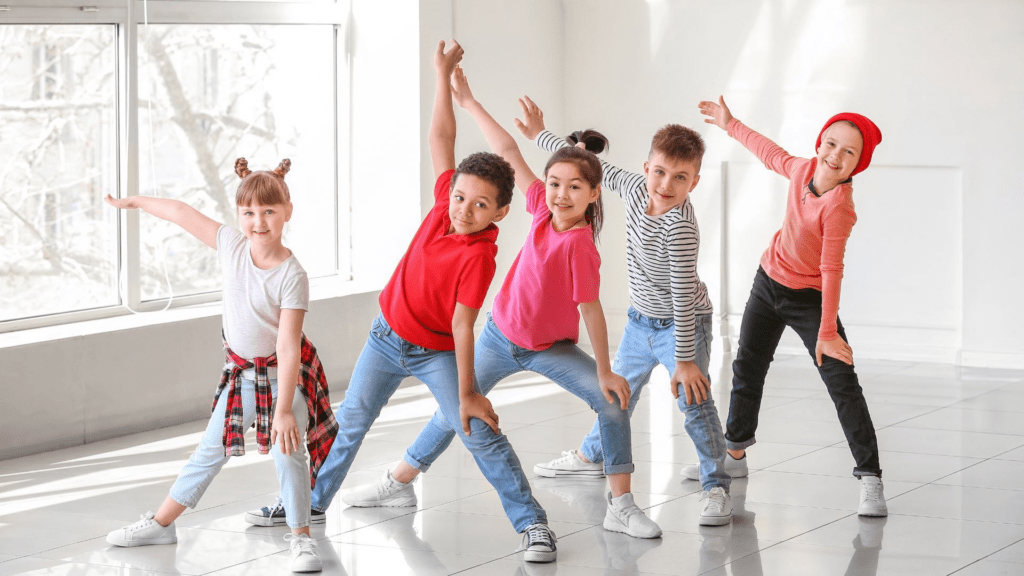
Best Dance Classes for 4-Year-Olds and Skill Development
Choosing the right activity for a growing preschooler can make a big difference in their confidence, coordination, and love of movement. At age four, children are often ready for more structure than they were at three, but they still need classes that feel playful and encouraging. The best dance classes for 4-year-olds combine imagination, music, movement, and early technique in a way that supports healthy development. These classes should not feel overly serious or performance-focused. Instead, they should help children build body awareness, listening skills, balance, rhythm, and independence through joyful participation.
Why Age Four Is a Great Time to Start Dance
Four-year-olds are usually developing stronger coordination, longer attention spans, and better social awareness. They can often follow two-step directions, remember simple patterns, and participate in group routines with growing confidence. Dance gives them a positive outlet for energy while also helping them practice patience, focus, and self-expression. A child may be learning how to skip, balance, freeze, stretch, or move to a beat without even realizing they are developing important physical skills. This makes dance both fun and useful for early childhood growth.
At this age, children are also beginning to understand classroom expectations more clearly. They may be able to stand in a line, wait for a turn, copy a teacher, and respond to musical cues. These skills are valuable inside and outside the dance studio. A supportive class can help children become more comfortable listening to adults, working with peers, and trying new things. When taught well, dance becomes a safe place for children to grow socially, emotionally, and physically.
What the Best Dance Classes Usually Include
The best dance classes for preschoolers have structure, but they are not rigid. A class for 4-year-olds should follow a predictable routine, so children know what to expect. Most classes begin with a welcome activity, then move into warm-ups, skill practice, traveling steps, creative movement, and a closing activity. This format gives children enough repetition to feel secure while still offering variety. Good teachers use music, stories, props, and imagery to keep students interested.
A typical class may include:
- A welcome song or opening circle
- Gentle stretching and warm-up movements
- Basic dance vocabulary
- Balance, jumping, marching, skipping, and turning practice
- Creative movement or imagination-based activities
- Across-the-floor exercises
- A short combination or movement pattern
- Cooldown and goodbye routine
Each part of class should be short and purposeful. Four-year-olds can focus longer than younger preschoolers, but they still need activities that move at a lively pace. Teachers should avoid long explanations and instead use clear demonstrations. Children this age learn best when they can see, hear, and immediately try the movement.
Ballet, Tap, Jazz, or Creative Movement?
Families often wonder which style is best for a 4-year-old. Ballet is a popular choice because it introduces posture, balance, coordination, and musicality. Preschool ballet should be gentle and playful, using simple positions and imaginative prompts rather than strict technique. Tap can be a wonderful option for children who enjoy rhythm, sound, and energetic movement. Jazz may include upbeat music, simple isolations, traveling steps, and expressive movement.
Creative movement is also highly valuable at this age. It helps children explore levels, shapes, pathways, emotions, and movement qualities. Some studios offer combination classes that include ballet and tap, ballet and jazz, or creative movement with early technique. These combo classes can be especially helpful because they expose children to different movement styles before they choose a specialty. The best option depends on the child’s personality, energy level, and comfort with structure.
Skill Development in Dance Classes for 4-Year-Olds
Skill development at age four should be gradual, positive, and age-appropriate. Children are not expected to master advanced dance technique. Instead, they should build a strong foundation in coordination, rhythm, balance, flexibility, and spatial awareness. A good class helps students understand how their bodies move in space and how to control their energy. These skills prepare children for more formal dance training later, but they also support general physical development.
Important skills may include:
- Balancing on one foot for a few seconds
- Jumping with two feet and landing safely
- Marching or stepping to a steady beat
- Moving forward, backward, sideways, and in a circle
- Following simple movement patterns
- Freezing when the music stops
- Taking turns and sharing space
- Copying shapes and movements from the teacher
These skills may look simple, but they are meaningful for preschool development. Each movement helps strengthen muscles, improve coordination, and build confidence. Children also learn how to connect movement with music, which supports timing and listening skills. Over time, these small achievements add up to noticeable growth.
What Parents Can Expect in the First Few Classes
The first few classes may be a mix of excitement, shyness, and adjustment. Some 4-year-olds walk in ready to dance, while others need time to observe before joining. This is normal, especially if the child has not taken a class before. Parents should expect teachers to spend time establishing routines, names, safety rules, and basic expectations. The class may look playful, but the teacher is laying the foundation for focus and participation.
Children may practice simple movements like tiptoeing, galloping, marching, stretching, jumping, turning, and freezing. They may also pretend to be animals, stars, flowers, superheroes, or weather. Props such as scarves, beanbags, ribbons, spots, and hoops may be used to make abstract ideas easier to understand. The teacher may introduce short combinations that repeat each week. The goal is not perfection, but comfort, consistency, and willingness to try.
How Dance Supports Social and Emotional Growth
Dance classes do more than teach movement. They help children learn how to be part of a group. A 4-year-old may practice waiting in line, listening while another child has a turn, and moving safely without bumping into friends. These experiences build patience, awareness, and cooperation. Dance also gives children a healthy way to express big emotions.
Some children become more confident when they are encouraged to perform a movement in front of the class. Others learn how to manage frustration when a step feels difficult. Teachers can support emotional development by praising effort, creativity, and persistence. A child who hears, “I love how you kept trying,” learns that growth matters more than being perfect. This positive message can carry into school, sports, friendships, and other activities.
Choosing the Right Dance Studio
The right studio should feel welcoming, organized, and developmentally appropriate. Parents should look for classes that are designed specifically for preschoolers, not simply shortened versions of older children’s classes. The teacher should understand how young children learn and should use positive classroom management. A studio should also provide clear information about dress code, class length, attendance, recital expectations, and parent observation policies. Safety, cleanliness, and communication are also important.
When comparing studios, consider:
- Class size and teacher-to-student ratio
- Teacher experience with preschool-aged children
- Age-appropriate music and movement
- Clear safety expectations
- Warm and patient instruction
- Flexible approach to shy or hesitant students
- Balance between technique and creative exploration
- Recital expectations and costs
A great studio will not pressure young children to grow up too fast. It will celebrate their stage of development while gently helping them build new skills. Parents should feel comfortable asking questions before enrolling. The best choice is a class where the child feels safe, supported, and excited to return.
What Should a 4-Year-Old Wear to Dance Class?
Dancewear requirements vary by studio and class type. Ballet classes often ask for a leotard, tights, ballet shoes, and hair pulled back from the face. Tap classes usually require tap shoes, while jazz classes may require jazz shoes or flexible dance shoes. Creative movement classes may allow comfortable clothing that is easy to move in. Clothing should not be too loose, slippery, or distracting.
Helpful items to bring include:
- A labeled water bottle
- Required dance shoes
- A small dance bag
- Extra hair ties or clips
- Comfortable layers if the studio is cool
Avoid jewelry, bulky costumes, or accessories unless the teacher requests them. These items can distract children or create safety concerns. The main goal is for the child to feel comfortable and ready to move. When children are dressed appropriately, they can participate more freely and safely.
How Parents Can Encourage Progress
Parents can support dance progress without putting pressure on performance. After class, ask simple questions like, “What was your favorite movement today?” or “What song did you dance to?” This helps children reflect on the experience in a positive way. Avoid focusing too much on whether they did the steps correctly. At age four, effort, participation, and enjoyment matter most.
Parents can also help by arriving on time and maintaining a consistent schedule. Regular attendance helps children become familiar with routines and feel more confident. If a child is nervous, offer calm encouragement rather than forcing them to participate immediately. Some children need several weeks before they fully join in. Patience and consistency often lead to steady improvement.
FAQ About Dance Classes for 4-Year-Olds
What type of dance is best for a 4-year-old?
Creative movement, ballet, tap, jazz, or a combination class can all be good options. The best choice depends on your child’s personality, interests, and readiness for structure.
How long should dance classes for 4-year-olds be?
Most classes work well at 30 to 45 minutes. Some older or experienced 4-year-olds may handle longer classes, but activities should still be varied and age-appropriate.
Does my child need dance experience before starting?
No. Most preschool dance classes are designed for beginners. Teachers expect children to be learning basic movement, rhythm, and classroom routines.
What if my child is shy or does not participate right away?
That is common. Many children need time to observe, adjust, and build trust with the teacher. Gentle encouragement works better than pressure.
Should a 4-year-old be in recitals?
Recitals can be fun if they are low-pressure and age-appropriate. Performances should focus on confidence and enjoyment, not perfect choreography.
How do I know if the class is developmentally appropriate?
Look for short activities, simple directions, playful themes, positive encouragement, and basic skill-building. A class should challenge children gently without overwhelming them.
Final Thoughts on Dance and Early Skill Growth
The best dance classes for 4-year-olds help children grow through movement, music, imagination, and steady practice. At this age, dance should build confidence while supporting coordination, rhythm, balance, focus, and social skills. Parents should look for classes that are structured but playful, encouraging but not demanding, and skill-based without being overly technical. A positive early dance experience can help children feel proud of their bodies and excited to learn. Whether a child continues dance for years or simply enjoys a season of movement, the benefits can be meaningful. With the right class and teacher, dance can become a joyful foundation for lifelong confidence and creativity.